Ancient Medicine

  • Home
  • About
  • Contact

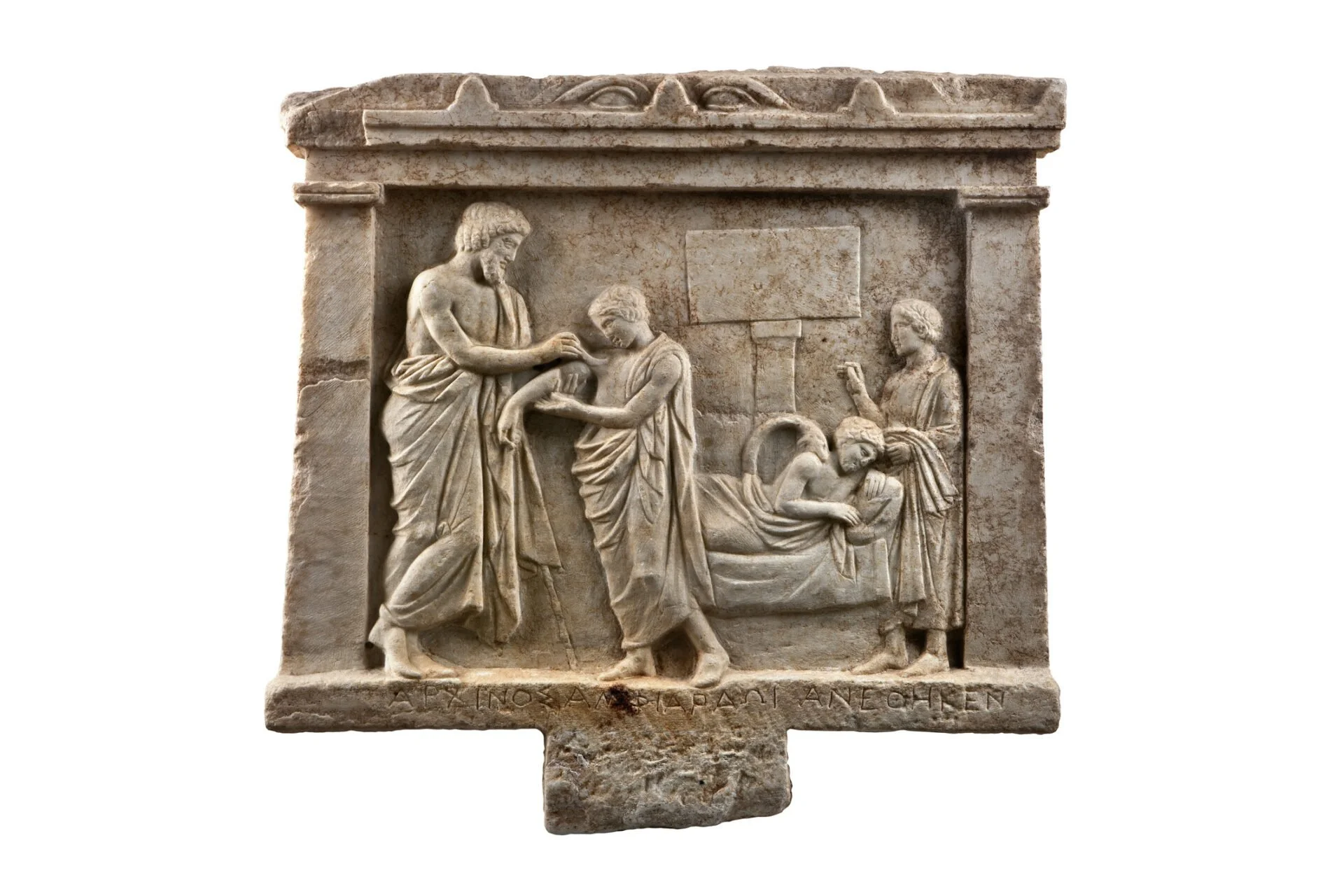
Fragment of bas-relief, female patient on a bed. In copyright. Source: Wellcome Collection.

"Patroclus died as well" (How Not to Talk to Patients)

December 13, 2025 by Sean Coughlin in Ancient Medicine

Let’s get back into this. A story from Galen on how not to talk to patients, and how to use Hippocrates to get them on your side.


“The comforts for those who are ill, like doing things in a clean way when it comes to drink, food, and whatever they may see; with softness whatever they touch. [There are other measures as well]. What does no great harm, or is easily borne [or easily gotten?], like something cold, when it is needed. Entrances, words, posture, clothing, for the patient, haircut, nails, smells.”

Αἱ τοῖσι κάμνουσι χάριτες, οἷον τὸ καθαρίως δρῇν ἢ ποτὰ ἢ βρωτὰ ἢ ἃ ἂν ὁρᾷ, μαλακῶς ὅσα ψαύει· [ἄλλαι·] ἃ μὴ μεγά[λα] βλάπτει, ἢ εὐανάληπτα, οἷον ψυχρὸν, ὅκου τοῦτο δεῖ· εἴσοδοι, λόγοι, σχῆμα, ἐσθὴς, τῷ νοσέοντι, κουρὴ, ὄνυχες, ὀδμαί.

Epidemics 6.4.7, 5.308L

Galen’s comments

All of the words obviously refer to the doctor, but the phrase “for the patient” inserted in between them raises a question; consequently, some have entirely removed it and pretended not to have found it written at all. However, the ancient interpreters are aware of this reading. Maybe we’ll find some plausible solution for it if we first examine each of the things mentioned individually. [1]

Τούτων τὰ μὲν ἄλλα πάντα προφανῶς ἐπὶ τὸν ἰατρὸν ἀναφέρεται, μεταξὺ δ' αὐτῶν παρεγκείμενον τὸ «τῷ νοσοῦντι» παρέχει τινὰ ζήτησιν, ὅθεν ἔνιοι παντάπασιν ἐξελόντες αὐτὸ προσεποιήσαντο μηδ' ὅλως εὑρηκέναι γεγραμμένον. ἀλλ' οἵ γε παλαιοὶ τῶν ἐξηγητῶν ἴσασι καὶ ταύτην τὴν γραφήν. ἴσως δ' ἄν τινος εὐπορήσαιμεν εἰς αὐτὴν πιθανοῦ προεπισκεψάμενοι τῶν εἰρημένων ἕκαστον ἰδίᾳ.

Entrances. And first, he spoke about the doctors’ “entrances” to the patient, and how they may occur in a pleasing manner. For some patients find it annoying when doctors check on them frequently, while others enjoy this very much. There are some doctors who behave so foolishly as to intrude upon sleeping patients with the noise of their feet or a loud voice; the patients, sometimes woken up by this, are aggravated with them and say they have been caused greatest harms. Therefore, a doctor must consider all these things ahead of time in order not to appear at an inappropriate time, or rush in headlong with a lot of noise and a loud voice, or an awkward gait or look, or anything of this sort at all.

καὶ πρώτας γε ἔλεγε τὰς πρὸς τὸν κάμνοντα τῶν ἰατρῶν «εἰσόδους» ὅσαι κεχαρισμένως αὐτοῖς γίνονται. τινὲς μὲν γὰρ ἐνοχλεῖσθαι νομίζουσιν ὑπὸ τῶν πολλάκις αὐτοὺς ὁρώντων, ἔνιοι δὲ πάνυ τούτῳ σφόδρα χαίρουσιν. ἰατροὶ δέ τινές εἰσιν οἳ μέχρι τοσούτου μωραίνουσιν, ὡς καὶ τοῖς κοιμωμένοις ἐπεισιέναι μετὰ ψόφου ποδῶν ἢ φωνῆς μείζονος, ὑφ' ὧν ἐνίοτε διεγερθέντες οἱ νοσοῦντες ἀγανακτοῦσί τε πρὸς αὐτοὺς καὶ βεβλάφθαι τὰ μέγιστά φασι. ἅπαντ' οὖν ταῦτα προορᾶσθαι χρὴ τὸν ἰατρόν, ὡς μήτε κατὰ καιρὸν ὃν οὐ χρὴ παραγίνεσθαι μήτε προπετῶς μετὰ ψόφων πολλῶν καὶ φωνῆς μεγάλης ἢ βαδίσματος ἀσχήμονος ἢ βλέμματος ἢ ὅλως οὑτινοσοῦν τοιούτου.

Conversation. This is one of the greatest issues regarding whether patients are being treated appropriately or inappropriately by their doctors. Some of them are utterly witless, the sort of people Zeuxis says Bacchius described in his Memoirs of Herophilus and his House regarding Callianax the Herophilean. For once, when a patient said to Callianax, “I am going to die,” they say he responded with this verse:

“Unless Leto of the Fair Children gave birth to you.” [2]

And to another who said the same thing, he said:

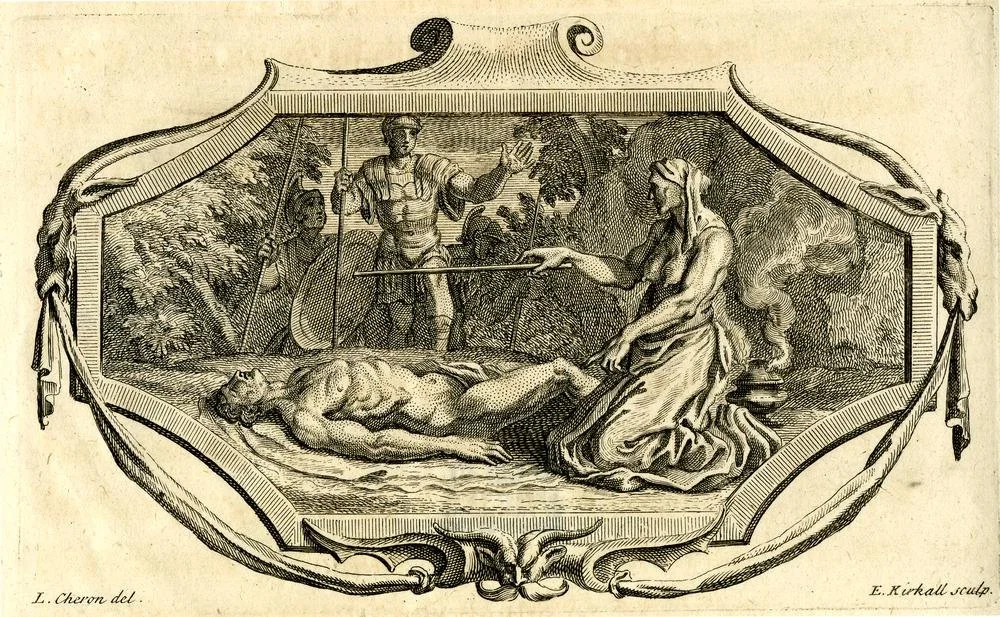
“Patroclus died as well, who was much better than you.” [3]

Some doctors today, even if they are more moderate than Callianax, are still rough on patients, so that they are hated. Others, conversely, who flatter in a slavish manner, are despised for this very reason. Just as the doctor should not appear worthy of hatred to the patient, neither should he be easily despised; rather, he should maintain his dignity while being humane, moderate, and pleasant. For unless the patient admires the doctor like a god, he will not be obedient; and if he is not willingly obedient, it is better not to flatter him to the point of being despised, nor to be boorish and rough like Callianax. This will happen if the doctor maintains dignity in his look, speech, and the posture of his whole body, while instructing the patient to obey his orders.

There are many “conversations”, and I will not hesitate to provide you with one as an example. The doctor, in a persuasive introduction, can review with the patient what Hippocrates wrote about these matters: first in the Aphorisms, saying, “One must not only do what is necessary oneself, but also make the patient, the attendants, and the externals cooperate” (Aph. 1.1); then in the first book of Epidemics: “The art has three factors: the disease, the patient, the physician. The physician is the servant of the art. The patient must cooperate with the physician in combating the disease” (Epid. 1.2.5). And since there are three factors, doctor, disease, and patient, if the patient leaves the doctor to fight the disease alone, or goes over to the disease and opposes the doctor, the doctor will be defeated by the disease. But if the patient leaves the disease and becomes an ally to the doctor against it, there is great hope of victory with two men fighting one disease. Conversely, it provides no hope if the patient joins the disease and opposes the doctor; for he, being isolated, would be defeated by the two.

This example is sufficient for you, who are capable of understanding that many similar things happen to the patient in relation to doctors. Not only should the intention of the <words> spoken by doctors to patients be appropriate, but the volume of the voice, the tone, and the whole delivery should correspond to the thought behind the words. And even if one is speaking to an educated man, one should take care not to commit solecisms or barbarisms. [4] For doctors appear contemptible to patients due to such things.

<λόγοι.> τῶν μεγίστων ἐστὶ καὶ τοῦτο πρὸς τοὺς κάμνοντας ὑπὸ τῶν ἰατρῶν ἤτοι προσηκόντως ἢ οὐ προσηκόντως τι γινόμενον. ἔνιοι μὲν γὰρ αὐτῶν ἐσχάτως εἰσὶν ἀβέλτεροι τοιοῦτοί τινες ὄντες, οἷον ὁ Ζεῦξίς φησιν ὑπὸ Βακχείου γεγράφθαι Καλλιάνακτα γεγονέναι τὸν Ἡροφίλειον ἐν τοῖς Ἀπομνημονεύμασιν Ἡροφίλου τε καὶ τῶν ἀπὸ τῆς οἰκίας αὐτοῦ· νοσοῦντος γάρ τινος, εἶτ' εἰπόντος τῷ Καλλιάνακτι «τεθνήξομαι», φασὶν αὐτὸν ἐπιφωνῆσαι τόδε τὸ ἔπος·

«εἰ μή σε Λητὼ καλλίπαις ἐγείνατο».

ἑτέρῳ δὲ ταὐτὸ τοῦτ' εἰπόντι φάναι·

«κάτθανε καὶ Πάτροκλος, ὅπερ σέο πολλὸν ἀμείνων».

ἔνιοι δὲ τῶν νῦν ἰατρῶν, εἰ καὶ μετριώτεροι Καλλιάνακτός> εἰσιν, ἀλλὰ τραχέως καὶ αὐτοὶ προσφέρονται τοῖς νοσοῦσιν ὡς μισηθῆναι, καθάπερ ἄλλοι τινὲς ἐξ ὑπεναντίου δουλοπρεπῶς κολακεύοντες ἐξ αὐτοῦ τούτου κατεφρονήθησαν. ὥσπερ δὲ οὐ χρὴ μίσους ἄξιον φαίνεσθαι τῷ κάμνοντι τὸν ἰατρόν, οὕτως οὐδ' εὐκαταφρόνητον, ἀλλ' ἐν τῷ φιλανθρώπῳ καὶ μετρίῳ καὶ ἡδεῖ τὸ σεμνὸν φυλάττειν. εἰ μὴ γὰρ ὥσπερ θεὸν αὐτὸν ὁ κάμνων θαυμάσειεν, οὐκ ἂν εὐπειθὴς γένοιτο, εἰ δὲ μὴ ἑκὼν εὐπειθὴς γένοιτο, βέλτιόν [οὖν] ἐστι μήτε κολακεύειν εἰς τοσοῦτον ὥστε καταφρονεῖσθαι μήτ' ἄγροικόν τε καὶ τραχὺν ὁμοίως εἶναι τῷ Καλλιάνακτι. γενήσεται δὲ τοῦτο φυλάττοντος μὲν ἔν τε τῷ βλέμματι καὶ τῷ φθέγματι καὶ τῷ παντὶ τοῦ σώματος σχήματι τὸ σεμνὸν τοῦ ἰατροῦ, ἐκδιδάσκοντος δὲ τὸν κάμνοντα πείθεσθαι τοῖς προσταττομένοις ὑφ' ἑαυτοῦ.

πολλοὶ δ' εἰσὶ λόγοι, καί σοι παραδείγματος ἕνεκεν οὐκ ὀκνήσω παραθέσθαι τινά. δυνήσεται γὰρ ὁ ἰατρὸς ἐπὶ προοιμίῳ πιθανῷ μετὰ ταῦτα πρὸς τὸν κάμνοντα διελθεῖν, ὅσα περὶ | τῶν τοιούτων Ἱπποκράτης ἔγραψε, πρῶτον μὲν ἐν τοῖς Ἀφορισμοῖς εἰπών· «Δεῖ δὲ οὐ μόνον ἑωυτὸν παρέχειν τὰ δέοντα ποιέοντα, ἀλλὰ καὶ τὸν νοσέοντα καὶ τοὺς παρεόντας καὶ τὰ ἔξωθεν», εἶτ' ἐν τῷ πρώτῳ τῶν Ἐπιδημιῶν· «Ἡ τέχνη διὰ τριῶν, τὸ νόσημα, ὁ νοσέων, ὁ ἰητρός· ὁ ἰητρὸς ὑπηρέτης τῆς τέχνης. ἐναντιοῦσθαι τῷ νοσήματι τὸν νοσέοντα μετὰ τοῦ ἰητροῦ χρή».

καὶ ὡς τριῶν ὄντων, ἰατροῦ καὶ νοσήματος καὶ κάμνοντος, ἐὰν ὁ νοσῶν ἐάσῃ μόνον πολεμεῖν τῷ νοσήματι τὸν ἰατρὸν ἢ καὶ πρὸς αὐτὸ μεταστὰς ἐναντιώσηται τῷ ἰατρῷ, συμβήσεται νικηθῆναι τὸν ἰατρὸν ὑπὸ τοῦ νοσήματος. ἐὰν δὲ καταλιπὼν τὸ νόσημα σύμμαχος κατ' αὐτοῦ γένηται τῷ ἰατρῷ, μεγάλην ἐλπίδα τῆς νίκης ἔσεσθαι δυοῖν ἀνθρώπων πρὸς ἓν νόσημα μαχομένων, ὡς τό γε ἐναντίον ἔμπαλιν οὐδεμιᾶς ἐλπίδος ἔσται παρεκτικόν, ἐὰν ὁ κάμνων μετὰ τοῦ νοσήματος γενόμενος ἐναντιῶται τῷ ἰατρῷ· μονωθεὶς γὰρ ἂν οὗτος ὑπὸ τῶν δυοῖν νικηθείη ἄν.

ἀρκεῖ δέ σοι τὸ παράδειγμα τοῦτο νοῆσαι δυναμένῳ κατὰ τὸ παραπλήσιον ἕτερα πολλὰ τοιαῦτα τῷ νοσοῦντι γίνεσθαι πρὸς τῶν ἰατρῶν. οὐ μόνον δὲ τῶν λεχθησομένων λόγων τοῖς κάμνουσιν ὑπὸ τῶν ἰατρῶν τοιαύτην εἶναι προσήκει τὴν διάνοιαν, ἀλλὰ καὶ τὸ μέγεθος τῆς φωνῆς καὶ τὸν τόνον καὶ τὴν ὅλην ὑπόκρισιν ἀνὰ λόγον εἶναι τῇ διανοίᾳ τῶν λόγων. εἰ δὲ καὶ πεπαιδευμένῳ διαλέγοιτό τις ἀνδρί, † καὶ μετὰ τοῦ μὴ σολοικίζειν τε καὶ βαρβαρίζειν. καὶ γὰρ ἐκ τῶν τοιούτων εὐκαταφρόνητοι τοῖς κάμνουσιν οἱ ἰατροὶ φαίνονται.

Galen, Commentary on Epidemics VI 4.10, 17B.145-148K = 202-205 Wenkebach

Notes

[1] The Epidemics passage is usually taken as a checklist of things that affect how a sick person feels. On the modern reading (e.g. Smith), τῷ νοσέοντι (“for the patient”) is taken as a dative of reference. Everything that follows belongs to the patient’s world: what they eat and drink, what they see and touch, the general atmosphere, and even practical details like clothing, hair, nails, and smells. It’s classic Epidemics: observe, adjust, don’t make things worse.

Galen (and maybe others at the time) reads the list very differently. For him, it’s about the doctor’s own behavior and grooming: speak politely, dress sensibly, keep your hair and nails neat, don’t smell of wine or garlic. A kind of ancient bedside-manner code. He takes τῷ νοσέοντι to mean “for the sake of the patient.”

Grammar probably favors the simpler view, and Galen has to do some gymnastics to make his reading work. His interpretation is fun, and great evidence for later medical etiquette, but it probably tells us more about Galen’s world than about what this Hippocratic text originally meant.

[2] Leto, goddess, mother of Apollo and Artemis.

[3] Iliad 21.107, what Achilles says to Lykaon just before he kills him.

[4] Technical terms. “Solecism” is incorrect grammar/syntax; “Barbarism” is the use of non-Greek words.

December 13, 2025 /Sean Coughlin
bedside manner, Hippocratic Commentary, Galen, Herophilus, Epidemics
Ancient Medicine
Comment

Garum, mosaic from the villa of Aulus Umbricius Scaurus, Pompeii: G(ari) F(los) SCOM(bri) SCAURI EX OFFI(ci)NA SCAURI. “Flower of Scaurus’ mackrel gaurum, from Scaurus’ manufacturer.” Image by Claus Ableiter CC-BY-SA 3.0 via wikimedia commons.

Galen, Simple Drugs, Book 11, Preface (II)

Institute of Philosophy, Czech Academy of Sciences
September 18, 2023 by Sean Coughlin in Ancient Medicine

This is the last preface to the pharmacological entries of books 6 - 11 of Galen’s work on the capacities of simple drugs.

Galen’s Simple Drugs 11 preface (II)

This is the appropriate time for the only things still left in the whole treatise. For we have already spoken in the previous discussion about animals that are generated in the sea and water. Now we will speak about those things which are generated in or from water, but are not themselves animals.

μόνα ταῦτα ἔτι λείποντα τῇ συμπάσῃ πραγματείᾳ καιρὸν ἐπιτήδειον ἔχει τόνδε. τὰ μὲν γάρ ἐν θαλάττῃ τε καὶ ὕδατι γεννώμενα ζῶα κατὰ τὸν ἔμπροσθεν εἴρηται λόγον περὶ τῶν ζώων. ὅσα δὲ γεννᾶται μὲν ἐν ὕδασιν ἢ ἐξ ὑδάτων, οὐκ ἔστι δὲ ταῦτα ζῶα, νῦν εἰρήσεται.

Galen, On the Capacities of Simple Drugs, XI.2 proem, XII.369 K.

September 18, 2023 /Sean Coughlin
Galen, pharmacology, Simple Drugs, before we begin
Ancient Medicine
Comment

Leopard attacking a prisoner in an amphitheatre spectacle in a Roman mosaic (late 2nd century CE). Image by Dennis Jarvis. CC-BY-SA 2.0. Via wikimedia commons.

Galen, Simple Drugs, Book 11, Preface (I)

Institute of Philosophy, Czech Academy of Sciences
September 11, 2023 by Sean Coughlin in Ancient Medicine

Galen’s Simple Drugs 11 preface (I)

In the case of animals, most parts are common to them all, but surely nothing is as common as flesh. For every animal has this: the blooded ones, like humans, the entire group of quadrupeds, birds, snakes, lizards, turtles, and so forth; and those without blood, like the entire group of shellfish, many of the aquatic animals, and also the terrestrial ones. Flesh is the main part an animal that is eaten; for in fact the majority of the entrails’ bulk is composed from the flesh in them. Some doctors call the flesh in them ‘parenchyma,’ because they think when the blood flows out (encheomenon) of the veins, it coagulates around all the vessels, while they only use the name ‘flesh’ for what is in the muscles. However, as I always say, we should not argue about names. What we should pursue is knowledge of the things themselves. This is what I am constantly pursuing, so I will now proceed to discuss all the knowledge I have gained about the specific and common parts in each animal, whether I have learned about them through experience or through reason. I will begin from what is properly called ‘flesh.’

Τὰ πλεῖστα τῶν ἐν τοῖς ζώοις μορίων κοινὰ πᾶσιν αὐτοῖς ἐστιν, οὐδὲν μὴν οὕτω κοινὸν ὡς ἡ σάρξ. πᾶν γάρ ζῶον ἔχει ταύτην. ἔναιμον μὲν ἄνθρωπός τε καὶ τετράποδα πάντα καὶ ὄρνιθες, ὄφεις τε καὶ σαῦροι καὶ χελῶναι καὶ ἄλλα τοιαῦτα· χωρὶς δ' αἵματος τὰ τ' ὄστρεα πάντα καὶ τῶν ἐνύδρων οὐκ ὀλίγα, καθάπερ καὶ τῶν ἐν αὐτῇ τῇ γῇ. καὶ τὸ ἐσθιόμενον τῶν ζώων ἡ σάρξ ἐστι μάλιστα. καὶ γάρ καὶ τῶν σπλάγχνων ὁ πλεῖστος ὄγκος ἐκ τῶν κατ' αὐτὰς γίνεται σαρκῶν. ἔνιοι δὲ τῶν ἰατρῶν τὴν μὲν ἐν τούτοις σάρκα παρέγχυμα καλοῦσιν, διότι τῶν φλεβῶν ἐκχεόμενον τὸ αἷμα περιπήγνυται πᾶσι τοῖς ἀγγείοις, ὡς ἐκεῖνοι νομίζουσιν, τὴν δ' ἐν τοῖς μυσὶ μόνην ὀνομάζουσι σάρκα. περὶ μὲν δὴ τῶν ὀνομάτων, ὡς ἀεὶ φαμεν, ἐρίζειν οὐ χρὴ, τὴν δὲ τῶν πραγμάτων αὐτῶν ἐπιστήμην ἀσκητέον, ἧς καὶ ἡμεῖς ἀντιποιούμενοι διὰ παντὸς, ὅσα περὶ τῶν καθ' ἕκαστον ζῶον μορίων ἰδίων καὶ κοινῶν ἐπιστάμεθα, τὰ μὲν ἐκ τῆς πείρας, τὰ δ' ἐκ τοῦ λόγου διδαχθέντες, ἐφεξῆς ἐροῦμεν ἅπαντα τὴν ἀρχὴν ἀπὸ τῆς ἰδίως ὀνομαζομένης σαρκὸς ποιησάμενοι.

Galen, On the Capacities of Simple Drugs, XI.1 proem, XII.310–311 K.

September 11, 2023 /Sean Coughlin
before we begin, Galen, pharmacology, Simple Drugs
Ancient Medicine
Comment

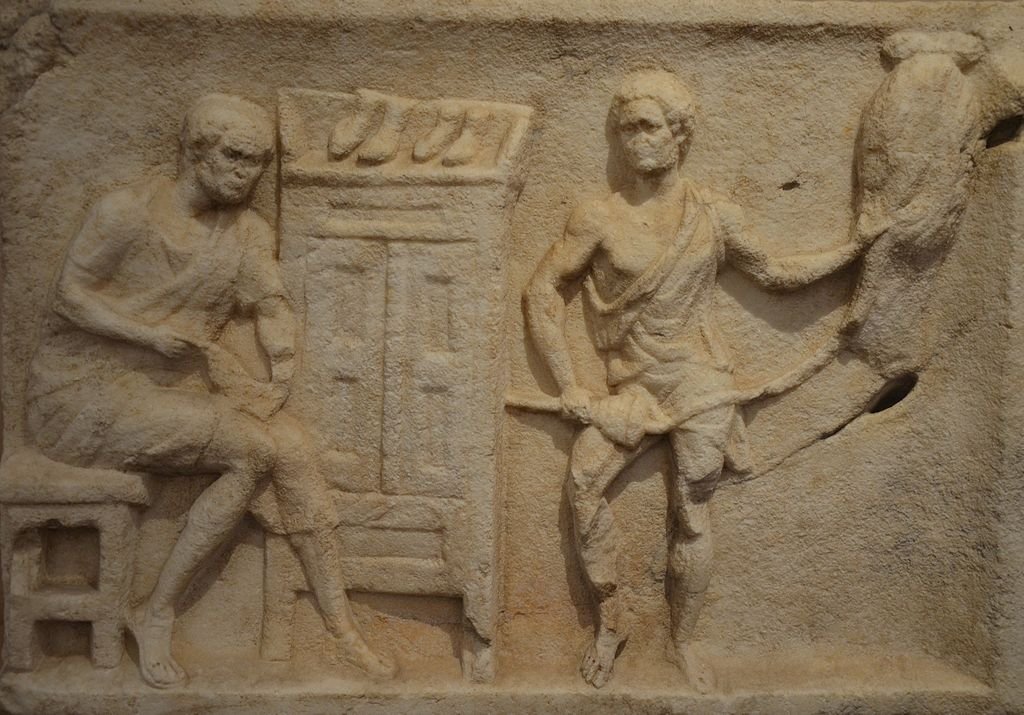
Scenes of artisans at work: a shoemaker (left) and a rope-maker (right). Sarcophagus of Titus Flavius Trophimas, found in Ostia. National Museum of Rome, Baths of Diocletian. Image by Carole Raddato CC-BY-SA 2.0 via wikimedia commons.

The first Socratic dialogues: Simon the Shoemaker

Institute of Philosophy, Czech Academy of Sciences
September 06, 2023 by Sean Coughlin in Philosophy

“Simon the Athenian, a shoemaker. When Socrates used to come to his workshop and have a conversation about something, Simon would make notes of the things he would remember. That’s why his dialogues are called ‘shoemakers.’ There are thirty-three of them bound in one book:

  • On the gods.

  • On the good.

  • On the beautiful.

  • What is the beautiful?

  • On justice: books one and two.

  • On virtue, that it can be taught.

  • On courage: books one, two and three.

  • On law.

  • On popular leadership (sc. demagogy).

  • On honor.

  • On poetry.

  • On luxuries.

  • On love.

  • On philosophy.

  • On knowledge.

  • On music.

  • On poetry.

  • What is the beautiful? [repeated]

  • On teaching.

  • On having conversations.

  • On judgment.

  • On being.

  • On numbers.

  • On taking care.

  • On working.

  • On greed.

  • On charlatans.

  • On the beauitful. [repeated]

Some add:

  • On deliberating.

  • On reason or on suitability.

  • On wrong-doing.

They say that he was the first to present Socratic discussions (arguments?) as dialogues. When Pericles promised to support him and requested that he come to him, he responded that his free speech was not for sale.

There was also another Simon who wrote on rhetorical arts; another was a doctor during the reign of Seleucus Nicanor; and another was a sculptor.”

Σίμων Ἀθηναῖος, σκυτοτόμος. οὗτος ἐρχομένου Σωκράτους ἐπὶ τὸ ἐργαστήριον καὶ διαλεγομένου τινά, ὧν ἐμνημόνευεν ὑποσημειώσεις ἐποιεῖτο: ὅθεν σκυτικοὺς αὐτοῦ τοὺς διαλόγους καλοῦσιν. εἰσὶ δὲ τρεῖς καὶ τριάκοντα ἐν ἑνὶ φερόμενοι βιβλίῳ:

  • Περὶ θεῶν.

  • Περὶ τοῦ ἀγαθοῦ.

  • Περὶ τοῦ καλοῦ.

  • Τί τὸ καλόν.

  • Περὶ δικαίου πρῶτον, δεύτερον.

  • Περὶ ἀρετῆς ὅτι οὐ διδακτόν.

  • Περὶ ἀνδρείας πρῶτον, δεύτερον, τρίτον.

  • Περὶ νόμου.

  • Περὶ δημαγωγίας.

  • Περὶ τιμῆς.

  • Περὶ ποιήσεως.

  • Περὶ εὐπαθείας.

  • Περὶ ἔρωτος.

  • Περὶ φιλοσοφίας

  • Περὶ ἐπιστήμης.

  • Περὶ μουσικῆς.

  • Περὶ ποιήσεως.

  • Τί τὸ καλόν.

  • Περὶ διδασκαλίας.

  • Περὶ τοῦ διαλέγεσθαι.

  • Περὶ κρίσεως.

  • Περὶ τοῦ ὄντος.

  • Περὶ ἀριθμοῦ.

  • Περὶ ἐπιμελείας.

  • Περὶ τοῦ ἐργάζεσθαι.

  • Περὶ φιλοκερδοῦς.

  • Περὶ ἀλαζονείας.

  • Περὶ τοῦ καλοῦ.

οἱ δέ,

  • Περὶ τοῦ βουλεύεσθαι.

  • Περὶ λόγου ἢ περὶ ἐπιτηδειότητος.

  • Περὶ κακουργίας.

Οὗτος, φασί, πρῶτος διελέχθη τοὺς λόγους τοὺς Σωκρατικούς. ἐπαγγειλαμένου δὲ Περικλέους θρέψειν αὐτὸν καὶ κελεύοντος ἀπιέναι πρὸς αὐτόν, οὐκ ἂν ἔφη τὴν παρρησίαν ἀποδόσθαι.

Γέγονε δὲ καὶ ἄλλος Σίμων ῥητορικὰς τέχνας γεγραφώς: καὶ ἕτερος ἰατρὸς κατὰ Σέλευκον τὸν Νικάνορα: καί τις ἀνδριαντοποιός.

Diogenes Laertius, Lives of the Philosophers, 2.13

From Plutarch’s “That philosophers should converse especially with those in power.”

‘To embrace Sorkanos, and to honour, share, welcome and cultivate a friendship that will be useful and fruitful to many both privately and publically, is an act that belongs to one who loves what is noble, who is political, who is a friend to people; not, as some think, one who loves reputation. On the contrary, the person who loves reputation and fears every whisper is the one who flees from and fears being known as an eager servant of those in power. Since what does a man say who is a servant and in need of philosophy? “Should I then become Simon the shoemaker or Dionysios the school teacher from being Perikles or Cato, so that one might have a discussion and sit with me as Socrates did them?” And although Ariston of Chios, when criticized by the sophists for conversing with anyone who wished, said, “I wish the wild animals, too, could understand arguments that inspire towards virtue”, will we avoid becoming acquainted with the powerful and the leaders as if they were wild and untamed?’

Σωρκανὸν ἐγκολπίσασθαι καὶ φιλίαν τιμᾶν καὶ μετιέναι καὶ προσδέχεσθαι καὶ γεωργεῖν, πολλοῖς μὲν ἰδίᾳ πολλοῖς δὲ καὶ δημοσίᾳ χρήσιμον καὶ ἔγκαρπον γενησομένην, φιλοκάλων ἐστὶ καὶ πολιτικῶν καὶ φιλανθρώπων οὐχ ὡς ἔνιοι νομίζουσι φιλοδόξων· ἀλλὰ καὶ τοὐναντίον, φιλόδοξός ἐστι καὶ ψοφοδεὴς ὁ φεύγων καὶ φοβούμενος ἀκοῦσαι λιπαρὴς τῶν ἐν ἐξουσίᾳ καὶ θεραπευτικός. ἐπεὶ τί φησιν ἀνὴρ θεραπευτικὸς καὶ φιλοσοφίας δεόμενος; Σίμων οὖν γένωμαι ὁ σκυτοτόμος ἢ Διονύσιος ὁ γραμματιστὴς ἐκ Περικλέους ἢ Κάτωνος, ἵνα μοι προσδιαλέγηται καὶ προσκαθίζῃ ὡς Σωκράτης ἐκείνῳ; καὶ Ἀρίστων μὲν ὁ Χῖος ἐπὶ τῷ πᾶσι διαλέγεσθαι τοῖς βουλομένοις ὑπὸ τῶν σοφιστῶν κακῶς ἀκούων “ὤφελεν,” εἶπε, “καὶ τὰ θηρία λόγων συνιέναι κινητικῶν πρὸς ἀρετήν”· ἡμεῖς δὲ φευξούμεθα τοῖς δυνατοῖς καὶ ἡγεμονικοῖς ὥσπερ ἀγρίοις καὶ ἀνημέροις γίγνεσθαι συνήθεις;

Plutarch, Maxime cum principibus philosopho esse disserendum, Moralia 776A–C

September 06, 2023 /Sean Coughlin
Plutarch, Simon the shoemaker, art, socrates
Philosophy
Comment

Honey bees. Image from 14th c. manuscript Casanatense 4182 of Taqwīm aṣ‑Ṣiḥḥa by Ibn Butlan, also known by the Latin title, Tacuinum Sanitatis. Image via wikimedia commons.

Galen, Simple Drugs, Book 10, Preface

Institute of Philosophy, Czech Academy of Sciences
September 04, 2023 by Sean Coughlin in Ancient Medicine

This preface has been edited and translated in part before by Petit 2017: 56–59 and Petit 2020: 100–101.

Galen’s Simple Drugs 10 preface

Nothing of what I am now about to say will be very beneficial to those who don’t know what I said at the beginning of this treatise in the first five books. Perhaps it will even be harmful for someone to use the drugs described here without a method. So, my lecture will assume you have learned that material, and I will start by recalling the main point of the treatise as a whole.

It has been shown that drugs are active (energounta) with respect to what are called their active qualities (drastikai poiotētes): heat, coldness, dryness and wetness. And by their mixture (krasis), they come to be sour (struphna), tart (austera), briny (almura), salty (aluka), bitter (pikra), acrid (drimea), and sweet (glukea); and some are cleansing (ruptika), some dispelling (apokroustika), some attractive (helktika), some emollient (malaktika), some burning (kaustika), some putrefactive (septika), some escharotic (escharotika); and in addition to these according to further specific activities, flesh-promoting (sarkotika) and cicatrizing (sunoulotika), and adhesive (kolletika) of fistulas or wounds, or catheretic (kathairetika) of abnormal grows of flesh. It has also been shown how general capacities are discovered from a single experience by indication, surely not from a random experience, but one produced following the qualifications I discussed. Once a general capacity has been discovered, no further experience is needed for the particular activities, except only for confirmation of that which reason has discovered.

This too is how we should make our judgment about the material we will consider next, namely that deriving from animals. For in the three books that came after the fifth—books six, seven, and eight—I went through the material connected with plants, not every one in the world, obviously, but all those of which I have first-hand experience. In the one after them, the ninth of the whole treatise, I went through the material connected with earthy and stony bodies. I still have to go through the material connected with animals; and still after that are things generated in the sea and in lakes, or in water generally, which are neither plants, nor earth, nor stone, nor animal. But there are not many of these kinds of things at all and they will be described at the end, after I have gone through the things in the bodies of animals. The order of their instruction will be according to the order of the first letter of their names. And just as, in the case of the material from plants, I also discussed the fluids produced from them, now too there will not only be instruction of the capacity of the solid parts among animals, but also of the things contained in them, phlegm, bile, blood, urine, faeces and the like.

Among the materials I discussed earlier, there were not many particular activities described by previous doctors that I myself was unaware of; rather, I encouraged myself to discern their capacities by means of experience, and if I was not acquainted with one of them, I did not write about it to start with, since I did not think it was right to trust others, not even about one of them, because I learned there are people who make so many false statements. In the case of the material that now lies before us, this is not the case. I concede there are many parts and fluids in the bodies of animals that others have written about, but that I myself have never experienced. For some of them are indecent and disgusting, others are also forbidden by law. I have no idea how, but Xenocrates, a man who did not live that long ago, but in our grandparents’ generation, wrote about eating people when Roman Imperial law had forbidden it. Still, he very credibly describes in writing, as if he had tried it himself, which illnesses are treated by eating human brain, flesh or liver, which by drinking bones of the head, shin, or fingers, burnt or unburnt, and which by blood itself.

These things, then, although they are illegal, are at least not indecent. But drinking sweat, urine and menstrual fluid are indecent and disgusting. Not less disgusting than these are faeces, and Xenocrates described what they are capable of doing when smeared onto the parts in the mouth and throat or ingested into the stomach. He has even written about ingesting the filth inside of the ears. Well, I have never been sick to the point where I would dare to ingest this. But I think faeces are much more disgusting than this. And surely it is a greater disgrace for a temperate man to be known as a faeces-eater than a pervert or a deviant, but even of perverts, we are more disgusted by people who go Phoenician than go Lesbian, and someone who drinks menstrual blood appears to me to suffer a similar affection.

Well then, there is no one who would submit to an experience of these things while in their natural state, nor to what is more moderate than this but still indecent, smearing some part of the body with faeces or human semen on account of some illness in it. Xenocrates called this ‘gonos’, and with great care he distinguishes which affections are naturally benefitted by applying gonos alone by itself, and which by applying gonos when it issues from the vagina after sexual intercourse between a man and woman. For there must be a significant lack of remedies in order for someone to treat chilblains by applying a man’s semen which did not remain inside but flowed out of a woman after sexual intercourse. Indeed, there are many such kinds of material in his writings On Aids (=ōpheleia) Derived from Animals. For he goes through in detail not only for humans, but for each of the other animals as well, what capacity their urine has when it is drunk, or their faeces for those who ingest them and smear them on the parts in the mouth, and he is especially interested in the ones that are difficult to obtain, like when he mentions elephants and hippopotamuses. For I have never seen the beast called basilisk, and if the stories about it are true, then it is dangerous even to approach this animal. And there are others who wrote about animals in a similar way to Xenocrates, whom Xenocrates himself to a large extent copied. For, where else would he have gotten experience of such a wide range of things?

Attalos, who used to be our king, obviously wrote less, even though he was extremely ambitious in acquiring experience of such things. But someone who recommended the work of Attalos gave it to me to go through, and, in my opinion, it was produced without first-hand experience of the author. For my part, I am not going to mention basilisks, elephants, hippopotamuses, or anything else I have not experienced myself. Concerning what are called ‘philtra’ (love spells), ‘agōgima’ (persuasion spells), ‘oneiropompa’ (dream senders) and ‘misētra’ (hate spells)—for I am deliberately using their words—, I would not have mentioned them in writing to begin with, even if I had a great deal of experience with them, just as I would not mention deadly drugs or the ones they call ‘pathopoia’ (disease makers). For what is attributed to them is ridiculous: binding opponents so that they are unable to speak in court or causing a pregnant woman to miscarry or never to conceive, or whatever else. In the majority of cases, it is impossible to prove that these things exist, while for some, even if it were possible, surely, they are harmful to people’s well-being, so that I wonder how in heaven’s name anyone ever came to the decision to write these things down. For how could they expect that things which, once they are found out, bring a terrible reputation even to the living, would bring them fame once they were dead?

If, therefore, they had, as kings, conducted experiments on people who had been sentenced to death, they would not have done anything wrong. But since they came to write about these things as ordinary people without claim to such an office at any point in their lives, then either they have not tested anything and are writing about things they are ignorant of, or, if they have tested them, then they are the most impious of all people, since, for the sake of experiment, they have given deadly drugs to people who committed no injustice, and sometimes even to virtuous and good men.

Someone once was watching two doctors standing by the market-sellers and brought them honey pretending to sell it. The doctors tasted it and discussed the price, and when they did not offer much, the one quickly withdrew, while neither of the doctors survived. Thus, when it comes to those who have written all these kinds of things down, it is right to despise them even more, not less, than those who actually commit the evil act, to the same extent that it is a lesser injustice to do something evil alone than to involve many people it. And one’s experience in the methods of doing evil things perish together with the perpetrator, while the provision of evil weapons to criminals by all those writers is immortal.

So, at this point let us discuss things we have experience with and that are useful for people.

οὐδὲν τῶν νῦν λεχθησομένων τοῖς ἀγνοοῦσι τά κατά τὴν ἀρχὴν τῆς πραγματείας ἐν τοῖς πρώτοις πέντε βιβλίοις εἰρημένα μεγάλην ὠφέλειαν οἴσει, τινά δ' ἴσως καὶ βλάψει τὸν χρησόμενον τοῖς ἐν αὐτῷ γεγραμμένοις φαρμάκοις, οὐκ ἔχοντα μέθοδον. ὡς οὖν ἐκεῖνα μεμαθηκότι σοι διαλέξομαι, τὸ κεφάλαιον ἀναμνήσας ὅλης τῆς πραγματείας.

ἐδείχθη τά φάρμακα κατά μὲν τάς δραστικάς ὀνομαζομένας ποιότητας ἐνεργοῦντα θερμότητα καὶ ψυχρότητα καὶ ξηρότητα καὶ ὑγρότητα, τῇ δὲ τούτων κράσει στρυφνά καὶ αὐστηρά καὶ ἁλμυρά καὶ ἁλυκά καὶ πικρά καὶ δριμέα καὶ γλυκέα γιγνόμενα, καὶ τά μὲν ῥυπτικά, τά δὲ ἀποκρουστικά, τά δὲ ἑλκτικά, τά δὲ μαλακτικά, τά δὲ καυστικά, τά δὲ σηπτικά, τά δὲ ἐσχαρωτικά, καὶ πρός γε τούτοις ἔτι κατ' ἄλλας ἰδικωτέρας ἐνεργείας, σαρκωτικά τε καὶ συνουλωτικά καὶ κολλητικά συρίγγων ἢ ἑλκῶν, ἢ καθαιρετικά τῶν ὑπεραυξανομένον σαρκῶν. ἐδείχθη δὲ καὶ ὡς ἡ καθόλου δύναμις ἐκ πείρας μιᾶς ἐνδεικτικῶς εὑρίσκοιτο, καὶ οὐ τῆς τυχούσης γε πείρας, ἀλλά μετά τῶν εἰρημένων διορισμῶν γιγνομένης· εὑρεθείσης δ' ἅπαξ τῆς καθόλου δυνάμεως οὐδεμιᾶς ἔτι πείρας εἶναι χρείαν εἴς γε τάς κατά μέρος ἐνεργείας, ὅτι μὴ πρὸς βεβαίωσιν μόνην ὧν ὁ λόγος εὗρεν.

οὕτως οὖν καὶ νῦν ποιησαίμεθα τὴν κρίσιν τῆς προκειμένης ὕλης, αὕτη δ' ἐστὶν ἡ ἐκ τῶν ζώων. ἐν μὲν γάρ τοῖς μετά τὸ πέμπτον ἐφεξῆς τρισὶ βιβλίοις, ἕκτω καὶ ἑβδόμῳ καὶ ὀγδόω, τὴν περὶ τά φυτά διήλθομεν ὕλην, οὐ πᾶσαν δηλονότι τὴν καθ' ὅλην τὴν οἰκουμένην, ἀλλ' ὅσης ἡμεῖς ἔχομεν πεῖραν. ἐν δὲ τῷ πρὸ τοῦδε, τῆς δ' ὅλης πραγματείας ἐννάτῳ, τὴν περὶ τά γεώδη τε καὶ λιθώδη σώματα. λείπεται δ' ἡμῖν ἔτι τὴν περὶ τά ζῶα διελεῖν ὕλην· εἶτ' ἔτι τῶν ἐν θαλάττῃ καὶ λίμναις ἢ ὅλως ἐν ὕδατι γεννωμένων ἐστὶν ὑπόλοιπον, ἃ μήτε φυτά μήτε γῆ μήτε λίθος ἐστὶ μήτε ζῶον. ὀλίγιστα δὲ τά τοιαῦτα παντάπασίν ἐστι καὶ γεγράψεται τελευταῖα, μετά τὸ διελθεῖν ἡμᾶς τά κατά τά σώματα τῶν ζώων. ἔσται δὲ καὶ τούτων ἡ τάξις τῆς διδασκαλίας κατά τὴν τῶν πρώτων γραμμάτων τάξιν ἐν ταῖς προσηγορίαις αὐτῶν. ὥσπερ δ' ἐν τῇ τῶν φυτῶν ὕλῃ καὶ περὶ τῶν ἐξ αὐτῶν γινομένων χυμῶν τὸν λόγον ἐποιησάμην, οὕτως καὶ νῦν οὐ μόνον τῶν στερεῶν μορίων ἐν τοῖς ζώοις ἡ διδασκαλία τῆς δυνάμεως, ἀλλά καὶ τῶν ἐν αὐτοῖς περιεχομίνων ἔσται, φλέγματος, χολῆς, αἵματος, οὔρου, κόπρου καὶ τῶν ὁμοίων.

ἐν μὲν οὖν τοῖς ἔμπροσθεν εἰρημένοις οὐ πολλά τῶν κατά μέρος ἐν ταῖς ὑπὸ τῶν ἰατρῶν γεγραμμέναις ὕλαις ἄγνωστά μοι γέγονεν, ἀλλ' αὐτὸς ἐσπούδασα διά τῆς πείρας γνῶναι τάς δυνάμεις αὐτῶν, εἴ τινος δ' οὐκ ἔγνων, οὐδ' ἔγραψα περὶ τούτου τὴν ἀρχὴν, οὐκ ἀξιῶν ἄλλοις πιστεύειν οὐδὲ περὶ ἑνὸς τοιούτου, διά τὸ καταμαθεῖν ἐνίους πολλά ψευδομένους. ἐπὶ δὲ τῆς νῦν προκειμένης ὕλης οὐχ οὕτως ἔχει. πάμπολλα ὁμολογῶ μορίων τε καὶ ὑγρῶν ἐν τοῖς τῶν ζώων σώμασι περιεχομένων, ὧν οὐδεμίαν αὐτὸς ἔσχηκα τοιαύτην πεῖραν, ὁποίαν ἔγραψάν τινες· ἔνια μὲν γάρ αὐτῶν ἀσελγῆ τέ ἐστι καὶ βδελυρά, τινά δὲ καὶ πρὸς τῶν νόμων ἀπηγορευμένα, περὶ ὧν οὐκ οἶδα πῶς ἔγραψεν ὁ Ξενοκράτης, ἄνθρωπος οὐ πάλαι γεγονὼς, ἀλλά κατά τοὺς πάππους ἡμῶν, τῆς Ῥωμαϊκῆς βασιλείας ἀπηγορευκυίας ἀνθρώπους ἐσθίειν, ἀλλ' ἐκεῖνός γε ὡς αὐτὸς πεπειραμένος ἀξιοπίστως πάνυ γράφει τίνα πάθη θεραπεύειν πέφυκεν ἐγκέφαλος ἐσθιόμενος ἢ σάρκες ἢ ἧπαρ ἀνθρώπου, τίνα δὲ τά τῆς κεφαλῆς ἢ κνήμης ἢ δακτύλων ὀστᾶ τά μὲν καυθέντα, τά δ' ἄκαυστα πινόμενα, τίνα δ' αὐτὸ τὸ αἷμα.

ταῦτα μὲν οὖν εἰ καὶ παρά τοὺς νόμους, ἀλλ' οὐκ ἀσελγῆ γε. πόσις δ' ἱδρῶτός τε καὶ οὔρου καὶ καταμηνίου γυναικὸς ἀσελγῆ καὶ βδελυρά, καὶ τούτων οὐδὲν ἧττον ἡ κόπρος, ἣν διαχριομένην τε τοῖς κατά τὸ στόμα καὶ τὴν φάρυγγα μορίοις εἴς τε τὴν γαστέρα καταπινομένην ἔγραψεν ὁ Ξενοκράτης ὅ τί ποτε ποιεῖν δύναται· γέγραφε δὲ καὶ περὶ τοῦ κατά τά ὦτα ῥύπου καταπινομένου. ἐγὼ μὲν οὖν οὐδὲ τοῦτον ἂν ὑπέμεινα καταπιεῖν, ἐφ' ᾧ γε μηδέποτε νοσῆσαι. πολὺ δ' αὐτοῦ βδελυρώτερον ἡγοῦμαι τὴν κόπρον εἶναι. καὶ μεῖζόν γε ὄνειδός ἐστιν ἀνθρώπῳ σωφρονοῦντι κοπροφάγον ἀκούειν ἢ αἰσχρουργὸν ἢ κίναιδον, ἀλλά καὶ τῶν αἰσχρουργῶν μᾶλλον βδελυττόμεθα τοὺς φοινικίζοντας τῶν λεσβιαζόντων, ᾧ* φαίνεταί μοι παραπλήσιόν τι πάσχειν ὁ καὶ καταμηνίου πίνων.

οὔτ' οὖν τούτων ὑπομείναι τις ἂν εἰς πεῖραν ἐλθεῖν ἄνθρωπος κατά φύσιν ἔχων οὔθ' ὅσα μετριώτερα μὲν τούτων, ἔτι δ' ἀσελγῆ, κόπρῳ καταχρίεσθαί τι τοῦ σώματος μέρος, ἕνεκα τοῦ κατ' αὐτὸ πάθους, ἢ ἀνθρώπου σπέρματος [1]. γόνον δὲ αὐτὸ καλεῖν εἴωθεν ὁ Ξενοκράτης, καὶ διορίζεταί γε μετά πάσης ἐπιμελείας τίνα μὲν αὐτὸς ὁ γόνος μόνος ὠφελεῖν πέφυκε καταχριόμενος, τίνα δὲ μετά τὴν ὁμιλίαν ἀνδρὸς καὶ γυναικὸς, ὅταν ἐκπέσῃ τοῦ γυναικείου κόλπου. μεγάλην γάρ τινα δεῖ γενέσθαι βοηθημάτων πενίαν, ἵνα τις χίμεθλα θεραπεύσῃ καταχρίσας [2] ἀνδρὸς σπέρμα μὴ μεῖναν ἔνδον, ἀλλ' ἐκρυὲν τῆς γυναικὸς ἐπὶ τῇ συνουσίᾳ. πολὺ μὲν δὴ καὶ τὸ τοιοῦτο τῆς ὕλης εἶδός ἐστιν ἐν τοῖς περὶ τῆς ἀπὸ τῶν ζώων ὠφελείας ὑπ' αὐτοῦ γεγραμμένοις.

οὐ γάρ ἀνθρώπου δηλονότι, τίνα δύναμιν ἔχει πινόμενον οὖρον ἢ καταπινομένοις τε καὶ διαχριομένοις τοῖς ἐν τὸ στόματι μέρεσι κόπρος, ἀλλά καὶ τῶν ἄλλων ζώων ἑκάστου διηγεῖται, πολὺ δ' ἄλλο τῶν δυσπορίστων, οἷον ὅταν ἐλέφαντος ἢ ἵππου Νειλώου μνημονεύῃ. βασιλίσκον μὲν γάρ τὸ θηρίον οὐδὲ εἶδον οὐδέποτε, καὶ εἰ ἀληθῆ τά λεγόμενα περὶ αὐτοῦ, κινδυνῶδές ἐστι καὶ τὸ πλησίον ἀφικέσθαι τῷ ζώῳ τούτῳ. παραπλήσια δὲ τῷ Ξενακράτει καὶ ἄλλοι τινὲς ἔγραψαν περὶ ζώων, ἐξ ὧν καὶ αὐτὸς ὁ Ξενοκράτης ἐξεγράψατο τά πλεῖστα. πόθεν γάρ ἂν ηὐπόρησε τοσούτων τε καὶ τοιούτων πραγμάτων αὐτὸς πειραθῆναι;

ὁ γοῦν ἡμέτερος γενόμενός ποτε βασιλεὺς Ἄτταλος ἐλάττονα φαίνεται γράφων, καίτοι φιλοτιμότατα σχὼν περὶ τὴν τῶν τοιούτων πεῖραν. ἐπαινῶν δέ τις Ἀτευρίστου [3] τὴν αὐτὴν πραγματείαν, ἔδωκέ μοι καὶ αὐτὴν διελθεῖν, ὥς γε ἐμοὶ δοκεῖ, χωρὶς αὐτοψίας ἰδίας τοῦ γράψαντος αὐτὴν γεγονυῖαν. ἐγὼ τοίνυν οὔτε βασιλίσκων οὔτε ἐλεφάντων οὔθ' ἵππων Νειλώων οὔτ' ἄλλου τινὸς οὗ μὴ πεῖραν αὐτὸς ἔχω μνημονεύσω, τῶν δὲ καλουμένων φίλτρων, ἀγωγίμων, ὀνειροπομπῶν τε καὶ μισήτρων, αὐτοῖς γάρ τοῖς ἐκείνων ὀνόμασιν ἐξεπίτηδες χρῶμαι, τὴν ἀρχὴν ἂν, οὐδ' εἰ πεῖραν ἱκανὴν εἶχον, ἐμνημόνευσα διά γραμμάτων, ὥσπερ οὐδὲ τῶν θανασίμων φαρμάκων ἢ τῶν ὡς αὐτοὶ καλοῦσιν παθοποιῶν. ἐκεῖνα μὲν γάρ αὐτῶν καὶ γελοῖα, καταδῆσαι τοὺς ἀντιδίκους, ὡς μηδὲν ἐπὶ τοῦ δικανικοῦ δυνηθῆναι φθέγξασθαι, ἢ ἐκτρῶσαι ποιῆσαι τὴν κύουσαν, ἢ μηδέποτε συλλαβεῖν, ὅσα τ' ἄλλα τοιαῦτα. τά μέν γε πλεῖστα εἶναι τούτων ἐστὶ καὶ πρὸς τῆς πείρας ἀδύνατα ὑπάρχειν, ἔνια δὲ εἰ καὶ δυνατά, βλαβερά γοῦν γ' ἐστὶ τῷ βίῳ τῶν ἀνθρώπων, ὥστ' ἐγὼ νὴ τοὺς θεοὺς θαυμάζω κατά τίνα τὴν ἔννοιαν ἧκον ἐπὶ τὸ γράφειν αὐτά τινες. ἃ γάρ καὶ τοῖς ζῶσιν ἀδοξίαν φέρει γνωσθέντα, πῶς ταῦτα μετά θάνατον εὐδοξίαν οἴσειν αὑτοῖς ἤλπισαν;

εἰ μὲν οὖν βασιλεῖς ὄντες ἐν ἀνθρώποις ἐπὶ θανάτῳ κατακεκριμένοις ἐποιήσαντο τὴν πεῖραν αὐτῶν, οὐδὲν ἔπραξαν δεινόν. ἐπεὶ δ' ἰδιῶται τοιαύτης ἐξουσίας ἐν ὅλῳ τῷ βίῳ γεγονότες ἐπὶ τὸ γράφειν ἧκον αὐτά, δυοῖν θάτερον, ἢ μὴ πειραθέντες αὐτοὶ γράφουσιν ὑπὲρ ὧν οὐκ ἴσασιν, ἢ εἴπερ ἐπειράθησαν, ἀσεβέστατοι πάντων ἀνθρώπων εἰσὶν, ἕνεκα πείρας ὀλέθρια δόντες φάρμακα τοῖς οὐδὲν ἠδικηκόσιν, ἐνίοτε δὲ καὶ καλοῖς τε καὶ ἀγαθοῖς ἀνδράσιν.

ἰατροὺς γοῦν τις ἑστῶτας ἐπὶ ῥωποπώλαις θεασάμενος δύο, προσεκόμισεν αὐτοῖς μέλι πιπράσκων δῆθεν. οἱ δὲ ἐγεύσαντό τε καὶ περὶ τῆς τιμῆς διελέγοντο καὶ ὡς ὀλίγον αὐτῶν διδόντων, ὁ μὲν σπεύσας ἐχωρήθη, τῶν δ' ἰατρῶν οὐδέτερος ἐσώθη. τά τοιαῦτ' οὖν ἅπαντα τῶν πραξάντων τοὺς γράψαντας οὐχ ἧττον, ἀλλά καὶ μᾶλλον ἄξιον μισεῖν, ὅσῳ καὶ μεῖόν ἐστιν ἀδίκημα μόνον τι ποιῆσαι κακὸν ἢ μετά πολλῶν. καὶ τῷ μὲν πράξαντι συναπέθανεν ἡ τῶν κακῶν θεωρημάτων ἐμπειρία, τῶν δὲ γραψάντων πάντων ἀθάνατός ἐστιν τοῖς πονηροῖς ὅπλα τῆς κακουργίας παρασκευάζουσα.

λέγωμεν οὖν ἡμεῖς ἤδη περὶ τῶν χρησίμων ἀνθρώποις πραγμάτων, ὅσων πεῖραν ἔχομεν.

[1] probably should be ἀνθρώπου σπέρματι.

[2] καταχρίσας after Petit and VU | ὑπερχύσας Kühn

[3] Petit suggests we should read Ἄτταλος.

Galen, On the Capacities of Simple Drugs, X. proem, 12.244–253 K.
September 04, 2023 /Sean Coughlin
before we begin, Galen, Simple Drugs, pharmacology
Ancient Medicine
Comment

Cornus mas, the Cornelian cherry. Illustration in Prof. Dr. Otto Wilhelm Thomé, Flora von Deutschland, Österreich und der Schweiz 1885, Gera, Germany, via wikimedia commons.

Galen, Simple Drugs, Book 9, Preface

Institute of Philosophy, Czech Academy of Sciences
August 28, 2023 by Sean Coughlin in Ancient Medicine

Galen’s Simple Drugs 9 preface

So far, I have spoken about the parts of plants, as well as their fruits, juices, and saps. Now, of the drugs that remain, I propose to go through those that are mined and those types that are from the earth itself. Following this, I will also say something about the parts in animals, which are included in the class of drugs and which we use as treatments. It seems better to me to set down first a general discussion about all of these, both for the sake of clarity and so that what has been said can be understood distinctly. For if anyone were to follow in every way those who wrote treatises on drugs, or on materials, or on their preparation, they would often make major mistakes and would misunderstand the things said by me distinctly.

There are two main points in the general discussion I am about to give. The first is whether one should consider burnt products to be hotter or colder than the drugs in their natural state. The second concerns drugs manifesting astringency, which were shown before to be tart and sour in species. I already said something about these in the fourth book, but it is better to remind ourselves even now that the quality and capacity that seem most contrary to astringent drugs are the pungent ones. For the following are astringent: acacia, balaustion (wild pomegranate flower?), hypocist and cytinos (pomegranate flowers?), kekis (oak gall), rheon (rhubarb), and rhoos (pomegranate), omphakion (unripe grapes? or the oil of unripe olives?) and mespila (medlars?), crania (cornelian cherry), pomegranate peels and myrtle. The following, however, are pungent: euphorbia, garlic, onions, leeks, mustard, pepper, ginger, wild carrot, oregano and pennyroyal, calamint and thyme. Therefore, we need only remember the kind of sensation we have of each of the things I mentioned. For the difference of quality in each case will follow immediately, something I went through in the fourth book, together with all the other differences in taste. So, astringent drugs (ta stuphonta) contract, tighten and compress our substance, and for this reason when they are applied externally to whatever part you wish, immediately they render the part shrivelled and contracted. Conversely, when pungent drugs are applied to the skin, they clearly heat it and cause it to swell with a red colour, and if they were to remain for some time, they would cause ulcers. Therefore, it is evidently clear that these ones are cutting and heating, and because of this they draw the blood from the nearby parts towards themselves. But the astringent drugs repel what is contained in these [parts] by naturally cooling, contracting and compressing. Hence, the capacity most contrary to the astringent drugs is the pungent, and the quality in taste bears no resemblance.

How, therefore, some people can say pepper, garlic and all the pungent drugs are astringent is impossible to imgaine. For if they deviated from Greek custom concerning the use of names, and, just as they say the former are astringent, so too they say rhoa (pomegranate), balaustion (wild pomegranate flower?), omphakion (unripe grapes? oil?) and mespilon (medlars) and the like are ‘pungent,’ then we would assume that they are ignorant of Greek words and what they mean, certainly not that they lack the ability to taste or to smell. But since they use a single word to refer to two things, and do it both for the sense of smell and for the sense of taste, and since from the effects of these drugs it is obvious that their natures are extremely contrary to one another, it is fitting for people to wonder whether it is because they lack the ability to sense, or because of ignorance, or even both at the same time. For indeed this is similar to the people who make the claim that snow produces the same sensation as fire, and someone once told me, perhaps because of the exceedingly peculiar way they used names, that there is nothing to prevent one from saying that snow has the same quality and capacity as fire. For he had in fact often seen snow burn the feet of those who walk through it too long. Cleaning the muck from such people’s souls would take more than a little time. But for those who have not been so unfortunate as to live in complete ignorance and who have read the fourth book of my comments, this will suffice to remind them of what I have said up to this point, for the sake of understanding with the proper distinctions the names used for each appropriate thing as all Greeks are accustomed to use them.

I will now move on to the second consideration, which is no longer about names and their signification, but about the nature of things. For the majority believe that all burned substances become cooler than they originally were, while some think, on the contrary, that the heat of all burned substances increases. Both are mistaken. For it is plainly evident that some substances become hotter, as we perceive by taste, or by touch, or by the capacity we observe in use, as I mentioned earlier in the case of pungent and astringent substances. Some others, on the contrary, are evidently less hot after being burned. And this we clearly discern by both sensation and use. By 'use', I mean, as I mentioned earlier, that when applied to the skin, some substances make it redder and warmer, others anaemic and cold, and some increase swelling, others reduce it. Thus, the pungent substances lose much of their heat when they are burned, while those that are not gain it. However, nothing that is burned is entirely cold. For there are traces left behind in them, like embers. For this is how Aristotle referred to it, and it is rinsed out with washings. It is the finest part of the substance of things that are burnt. When it is removed with the water, what remains from what is burnt is an earthy substance. For all moisture is exhausted by burning, and what is left is earthy along with what Aristotle calls ‘embers.’ Therefore, when someone removes and separates it by washing, the water with which the drug was washed takes on a hot capacity that is fine-parted, while the remaining earthy part becomes cold, being able to dry without stinging. I have spoken about these things before, but it is not bad to remember them now, so that, having a fresh reminder of them, someone may follow what will be said more accurately.

Ὅσα μὲν τῶν φυτῶν ἐστι μόρια καὶ καρποὶ καὶ χυλοὶ καὶ ὀποὶ πρόσθεν εἴρηται· νυνὶ δὲ τῶν ὑπολοίπων φαρμάκων ὅσα μεταλλεύεται καὶ ὅσα τῆς γῆς αὐτῆς ἐστιν εἴδη πρόκειται διελθεῖν. ἐφεξῆς δ' αὐτῷ εἰρήσεταὶ τι καὶ περὶ τῶν ἐν τοῖς ζώοις μορίων, οἷς ἐν λόγῳ φαρμάκων χρώμεθα πρὸς τὰς ἰάσεις. κοινὸν δὲ τινα περὶ πάντων αὐτῶν λόγον ἄμεινον εἶναὶ μοι δοκεῖ προτάξαι σαφηνείας τε ἅμα καὶ τοῦ διηρθρωμένως ἀκούειν ἕνεκα τῶν εἰρημένων. ἐὰν γάρ ἕποιτὸ τις τὰ πάντα τοῖς γεγραφόσιν ἤτοι τὰς περὶ τῶν φαρμάκων πραγματείας ἢ τὰς περὶ ὕλης ἢ τὰς περὶ σκευασίας αὐτῶν, ἐν πολλοῖς σφαλήσεται μέγιστα καὶ παρακούσει τῶν ὑπ' ἐμοῦ διωρισμένως λεγομένων.

δυοῖν δ' ὄντων κεφαλαίων τοῦ μέλλοντος λεχθήσεσθαι λόγου κοινοῦ, τὸ μὲν ἕτερόν ἐστιν εἰ τῶν αὐτοφυῶν φαρμάκων τὰ κεκαυμένα θερμότερα χρὴ νομίζειν ἢ ψυχρότερα, τὸ δ' ἕτερον ὑπὲρ τῶν στυφόντων φαρμάκων, ὧν ἐν εἴδει πρόσθεν ἐδείχθη τὰ αὐστηρὰ καὶ τὰ στρυφνά. λέλεκται μὲν οὖν ἤδη περὶ τούτων ἐν τῷ τετάρτῳ τῶνδε τῶν βιβλίων, ἀναμνῆσαι δὲ καὶ νῦν ἄμεινον ὡς ἐναντιωτάτη φαίνεται ποιότης καὶ δύναμις εἶναι τοῖς στύφουσι φαρμάκοις πρὸς τὰ δριμέα. στύφει μὲν γάρ ἀκακία καὶ βαλαύστιον, ὑπόκυστίς τε καὶ κύτινοι καὶ κηκὶς καὶ ῥῆον καὶ ῥοῦς, ὀμφάκιόν τε καὶ μέσπιλα, καὶ κρανία καὶ ῥοιᾶς λέμματα καὶ μύρτα. δριμέα δ' ἐστὶν εὐφόρβιον καὶ σκόροδα καὶ κρόμμυα καὶ πράσα καὶ νᾶπυ καὶ πέπερι καὶ γιγγίβερι καὶ σμύρνιον, ὀρίγανόν τε καὶ γλήχων, καὶ καλαμίνθη καὶ θύμος. χρὴ τοίνυν ἀναμνησθῆναι μόνον ἡμᾶς ὁποίαν αἴσθησιν ἔχομεν ἑκάστου τῶν εἰρημένων. ἀκολουθήσει γάρ εὐθέως ἡ διαφορὰ τῆς ποιότητος αὐτῶν, ἣν ἐν τῷ τετάρτῳ λόγῳ διῆλθον ἅμα ταῖς ἄλλαις γευσταῖς ἁπάσαις διαφοραῖς. συνάγει μὲν οὖν καὶ σφίγγει καὶ πιλεῖ τὴν οὐσίαν ἡμῶν τὰ στύφοντα, καὶ διὰ τοῦτο ἐπιτιθέμενα, καθ' ὅ τι ἂν ἐθελήσῃς μέλος ἔξωθεν, εὐθέως ἀποδείκνυσιν αὐτὸ ῥυσόν τε καὶ προσεσταλμένον. ἔμπαλιν δὲ τούτοις τὰ δριμέα κατὰ τοῦ δέρματος ἐπιτιθέμενα θερμαίνει τε σαφῶς αὐτὸ καὶ εἰς ὄγκον συναίρει σὺν ἐρυθρῷ χρώματι, καὶ εἰ χρονίσειεν, ἑλκοῖ. ταῦτα μὲν οὖν ἐναργῶς φαίνεται τέμνοντὰ τε καὶ θερμαίνοντα, καὶ διὰ τοῦθ' ἕλκοντα πρὸς ἑαυτὰ τὸ ἐκ τῶν πλησιαζόντων μορίων αἷμα. τὰ στύφοντα δ' ἀποκρουόμενα τὸ περιεχόμενον ἐν αὐτοῖς τῷ ψύχειν τε καὶ συνάγειν καὶ πιλεῖν πέφυκεν. ἡ δύναμίς τε οὖν ἐναντιωτάτη τοῖς στύφουσίν ἐστι πρὸς τὰ δριμέα, καὶ ἡ κατὰ τὴν γεῦσιν ποιότης οὐδὲν ὅμοιον ἔχουσα.

πῶς οὖν ἔνιοι καὶ τὸ πέπερι καὶ τὰ σκόροδα καὶ πάντα τὰ δριμέα στύφειν λέγουσιν οὐδ' ἐπινοῆσαι δυνατόν. εἰ μὲν γάρ ὥσπερ ταῦτα στύφειν, οὕτω καὶ ῥοῦν καὶ βαλαύστιον ὀμφάκιόν τε καὶ μέσπιλον ὅσα τ' ἄλλα τοιαῦτα δριμέα προσηγόρευον, ὑπαλλάττοντες τὸ τῶν Ἑλλήνων ἔθος ἐν τοῖς ὀνόμασιν, ἀγνοεῖν μὲν ἂν αὐτοὺς ὑπολάβοιμεν τὰς φωνὰς τῶν Ἑλλήνων ἅμα τοῖς ὑπ' αὐτῶν σημαινομένοις, οὐ μὴν ἀναισθήτους γε κατὰ τὴν γευστικὴν εἶναι δύναμιν, ἢ τὴν ὀσφρητικήν· ἐπεὶ δ' ἑνὶ προσαγορεύουσιν ὀνόματι πράγματα δύο, καὶ τῇ κατὰ τὴν ὄσφρησιν αἰσθήσει καὶ τῇ κατὰ τὴν γεῦσιν, οἷς τε φαίνονται πράττοντα φύσιν ἐναντιωτάτην ἀλλήλοις ἔχοντα, θαυμάσαι προσήκει τοὺς ἀνθρώπους ἢ ἕνεκεν τῆς ἀναισθησίας ἢ τῆς ἀνοίας ἢ καὶ ἀμφοτέρου ἅμα. παραπλήσιον γάρ τοι ποιοῦσιν τῷ λέγοντι τὴν χιόνα τῷ πυρὶ τὴν αὐτὴν αἴσθησιν ἐργάζεσθαι, καὶ τις ὑπὸ συνήθειας τῆς εἰς τοσοῦτον ἀλλοκότου χρήσεως τῶν ὀνομάτων, ἔφη μοὶ ποτε μηδὲν κωλύειν φάναι τὴν αὐτὴν ἔχειν ποιότητὰ τε καὶ δύναμιν τῷ πυρὶ τὴν χιόνα· καὶ γάρ καὶ ταύτην ὦφθαι πολλάκις ἀποκαίουσαν τοὺς πόδας τῶν δι' αὐτῆς ἐπιπολὺ βαδισάντων· τῶν μὲν δὴ τοιούτων ἀνθρώπων οὐ σμικροῦ χρόνου χρεία τὸν ῥύπον ἀποκαθῆραι τῆς ψυχῆς. ὅσοι δ' οὐχ οὕτως ἠτύχησαν ὡς ἐν ἀμαθίᾳ τελέᾳ διαβιῶναι, προανεγνωκόσι τὸ τέταρτον τῶνδε τῶν ὑπομνημάτων, ἀρκεῖ τούτοις ἀναμνήσεως ἕνεκα τὰ μέχρι δεῦρο λελεγμένα, χάριν τοῦ διηρθρωμένως ἀκούειν τῶν ὀνομάτων ἐφ' ἑκάστου τῶν οἰκείων πραγμάτων, ὡς ἅπαντες Ἕλληνες εἰώθασιν χρῆσθαι.

μεταβήσομαι δ' ἐπὶ τὸ δεύτερον ἤδη σκέμμα, μηκέθ' ὑπὲρ ὀνόματός τε καὶ τοῦ κατ' αὐτὸ σημαινομένου γιγνόμενον, ἀλλὰ περὶ φύσεως πράγματος οἱ μὲν γάρ πλεῖστοι νομίζουσι τὰ καυθέντα πάντα ψυχρότερα γίγνεσθαι σφῶν αὐτῶν, ἔνιοι δ' ἔμπαλιν αὐξάνεσθαι τὴν θερμασίαν οἴονται τῶν καυθέντων ἁπάντων, ἁμαρτάνοντες ἑκάτεροι. φανίονται γάρ ἐναργῶς ἔνια μὲν θερμότερα γινόμινα, κατὰ τε τὴν γεῦσιν καὶ τὴν ἁφὴν καὶ τὴν ἐν τῇ χρήσει θεωρουμένην δύναμιν, ὡς ἔμπροσθεν εἶπον ἐπὶ τε τῶν δριμέων καὶ τῶν στυφόντων, ἔνια δ' ἔμπαλιν ἧττον θερμὰ φαινόμενα μετὰ τὸ καυθῆναι· καὶ τοῦτο διαγινώσκομεν σαφῶς τῇ τε αἰσθήσει καὶ τῇ χρήσει. λέγω δὲ χρῆσιν, ὥσπερ ἐπὶ τῶν ἔμπροσθεν εἶπον, ὅταν ἐπιτιθέντα τῷ δέρματι τὰ μὲν ἐρυθρότερὰ τε καὶ θερμότερα αὐτὰ ποιῇ, τὰ δὲ ἄναιμὰ τε καὶ ψυχρὰ, καὶ τὰ μὲν εἰς ὄγκον ἐξαίρῃ, τὰ δὲ προστέλλῃ. τὰ μὲν οὖν δριμέα πολὺ τῆς θερμότητος ἀπόλλυσι καυθέντα, τὰ δὲ μὴ τοιαῦτα προσλαμβάνει, τελέως δὲ ψυχρὸν οὐδὲν τῶν καυθέντων ἐστίν. ἐγκαταλείπεται γάρ αὐτοῖς οἷον ἐμπύρευμὰ τι· καὶ γάρ προσηγόρευεν οὕτως Ἀριστοτέλης αὐτὸ, καὶ τοῦτ' ἔστι τὸ κατὰ τὰς πλύσεις ἀπορρυπτόμενον. ἔστι δὲ τὸ λεπτομερέστατον τῆς τῶν καυθέντων οὐσίας, οὗ συναπελθόντος τῷ ὕδατι τὸ λοιπὸν τοῦ καυθέντος οὐσία γεώδης ἐστί. τὸ μὲν γάρ ὑγρὸν ἅπαν ἡ καῦσις ἐκδαπανᾷ, τὸ δ' ὑπολειπόμενον γεῶδές ἐστιν ἅμα τῷ πρὸς Ἀριστοτέλους ἐμπυρεύματι κληθέντι. τοῦτ' οὖν ὅταν τις ἀφέληται καὶ χωρίσῃ τῇ πλύσει, τὸ μὲν ὕδωρ, ᾧ τὸ φάρμακον ἐπλύθη, θερμὴν δύναμιν ἐπεκτήσατο λεπτομερῆ, τὸ δ' ὑπόλοιπον γίνεται γεῶδες ψυχρὸν, ξηραίνειν ἀδήκτως δυνάμενον. εἴρηται μὲν οὖν μοι καὶ περὶ τούτων ἔμπροσθεν, ἀλλ' οὐδὲν χεῖρον ἀναμνῆσαι καὶ νῦν, ἵνα τις ὑπόγυον ἐσχηκὼς τὴν ἀνάμνησιν αὐτῶν ἕπηται τοῖς λεχθησομένοις ἀκριβέστερον.

Galen, On the Capacities of Simple Drugs, IX. proem, 12.159–165 K.

August 28, 2023 /Sean Coughlin
before we begin, Galen, Simple Drugs, pharmacology
Ancient Medicine
Comment

Al-nâridîn or al-sunbul al-hindî or Indian spikenard. From Fī Hayūlā al-tibb, trans. Ḥunayn ibn Isḥāq of Dioscorides’ De materia medica. In the Spencer Collection, The New York Public Library.

Galen, Simple Drugs, Book 8, Preface

August 21, 2023 by Sean Coughlin in Ancient Medicine

Galen’s Simple Drugs 8 preface

The remaining entries on the capacity in plants will be discussed in this [book], not every capacity, but only the activities (energeiai) of the active qualities (drastikai poiotētes). For I will examine the functions of plants’ whole substance on their own at a later time. As a reminder again for those who have read the previous [books], I have organized each simple capacity into four degrees based on the extent to which they act more or less. I defined the scope of each order with clear boundaries and taught a certain method for discovering the capacities themselves. I produced demonstrations for all these [categories] and set up objectives and criteria for each capacity, both specific and common. I will thus now add what remains, urging that if anyone is not acquainted with the previous [books], either to completely avoid these [topics] or, if they are diligent, to first go back and read the treatise from the beginning. For all the topics to be discussed will appear to them unclear and undemonstrated, until they have trained themselves in those [previous discussions].

Ὅσον μὲν οὖν ὑπόλοιπόν ἐστι τῆς κατὰ φυτὰ δυνάμεως ἐν τῷδε λεχθήσεται, οὐδὲ τοῦτο ἅπαν, ἀλλ' αἱ τῶν δραστικῶν ποιοτήτων ἐνέργειαι μόναι. τὰ γάρ ὅλης ἔργα τῆς οὐσίας τῶν φυτῶν ὕστερον αὐτὰ καθ' αὑτὰ διέξιμεν. ἀναμνήσαντες οὖν πάλιν κατ' αὐτὰ τοὺς ἀνεγνωκότας τὰ πρόσθεν, ὡς καθ' ἑκάστην δύναμιν ἁπλῆν εἰς τάξεις τέτταρας ἐποιησάμεθα τὴν ἐν τῷ μᾶλλόν τε καὶ ἧττον διαίρεσιν, ὅτι τε σαφέσιν ὅροις ἑκάστης τάξεως τὸ πλάτος ἀφωρισάμεθα καὶ αὐτῆς τῶν δυνάμεων εὑρέσεως ἐδιδάξαμέν τινα μέθοδον, ἁπάντων τε τούτων ἀποδείξεις ἐποιησάμεθα καὶ σκοποὺς ἐθέμεθα καὶ κριτήρια καθ' ἑκάστην δύναμιν ἴδιὰ τε καὶ κοινὰ, προσθήσομεν οὕτως ἤδη τὰ λείποντα, παρακαλέσαντες, εἴ τις οὐχ ὡμίλησε τοῖς ἔμπροσθεν, ἤτοι καὶ τούτων ἀφίστασθαι παντάπασιν, ἢ εἴπερ ἦν φιλόπονος ἐξ ἀρχῆς πρότερον ἀναλέξασθαι τὴν πραγματείαν. ἀσαφῆ τε γάρ ἅμα καὶ ἀναπόδεικτα πάντ' αὐτῷ φανεῖται τὰ λεχθησόμενα, πρὶν ἐν ἐκείνοις γυμνάσασθαι.

Galen, On the Capacities of Simple Drugs, VIII. proem, 12.83–84 K.

August 21, 2023 /Sean Coughlin
before we begin, Galen, Simple Drugs, pharmacology
Ancient Medicine
Comment

Tile mosaic with rabbit, lizard and mushroom. 19th or 20th c. via Metropolitan Museum of Art.

Oribasius and Rufus treat men's sexual health

August 16, 2023 by Sean Coughlin in Ancient Medicine

Rufus of Ephesus was likely practicing in ancient Alexandria or in ancient Ephesus. Some of his writings are preserved by Oribasius and Aetius, and in some of those, Rufus preserves patient concerns. Here, he records his interactions with several young men who are concerned about their sexual health, and the testimony provides some examples of how Rufus thinks through diagnosis and treatment. The text is part of a larger section in book 11 of Aetius on drugs related to sexual health and well-being.

Oribasius’ Sexual Stimulants

Equal parts of pepper, parsley, filings from dried deer’s testicle, and terebinth. Combine with honey and give with wine to drink.

Another. Burn a gecko, grind, then add it to oil. Rub the oil onto the big toe of your right foot and have sexual intercourse. If you want to stop the effects, wash your toe.

Another from the same. Rub hare’s suet or lion’s lard onto your genitals. Then take three grains of pepper together with juice of tragacanth gum, and apply to your testicles, perineum, and lower back.

From the works of Rufus, an effective ointment that excites the genitals.

Take one drachma of myrrh, unburnt sulphur, and the inner part of the knēkō plant, two obols of pyrethrum, two drachmas of melanthinon, thirty grains of pepper, and twenty grains of nettle, cleaned. Chop them up and grind with one drachma of squill, melt one ounce of wax and with eight ounces of castor oil; add also three ounces of honey and use [1]. After intercourse, the areas are wiped clean with a cloth. Some also apply this ointment to their buttocks.

Rufus also adds the following: “it is easy,” he says, “to find a therapy here for those who are unable to engage in sexual activity. A youth came to me once and said that he really wanted to have sex, but when he enaged in it, he could not ejaculate and lost a great deal of breath. I took this as an indication of dryness of the spermatic vessels and the treatment showed that I was right. For by using a moist diet productive of good humours, he was able to ejaculate. Another twenty-year-old youth said that when he had sex with a woman, he was not able to ejaculate, but when he was asleep, he frequently had wet dreams. It seemed to me that the spermatic parts we not being heated during intercourse due to the excessive moisture accompanied by cooling [2], since the heat is being dissipated along the surface of the body. During sleep, on the other hand, they become hotter, because dreams are able to heat the inside parts of the body and cool the outside parts. So I recommended that this man exercise his lower parts and ride horses, drink castoreum, and adopt a diet that was wholly warm and dry.”

Ὀριβασίου ἐντατικόν.

Πεπέρεως, πετροσελίνου, ἐλαφείου αἰδοίου ῥινίσματος ξηροῦ, τερεβινθίνης ἴσα· μέλιτι ἀναλάμβανε καὶ δίδου πίνειν μετ' οἴνου.

Ἄλλο· Ἀσκαλαβώτην καύσας, λεάνας, εἶτα ἐπιβαλὼν ἔλαιον, χρίσον τοῦ δεξιοῦ ποδὸς τὸν μεγαδάκτυλον καὶ συγγίνου· εἰ δὲ βούλει παύσασθαι, ἀπόπλυνε τὸν δάκτυλον.

Ἄλλο τοῦ αὐτοῦ. Λαγωοῦ πιτύαν ἢ λέοντος στέαρ χρίε τὸ αἰδοῖον· εἶτα τρία ἅμα πεπέρεα μετὰ χυλοῦ τραγακάνθης, χρίε τοὺς διδύμους καὶ περίναιον καὶ ὀσφῦν.

Ἐκ τῶν Ῥούφου χρίσμα ἐνεργὸν, ἐντεῖνον τὸ αἰδοῖον.

Σμύρνης, θείου ἀπύρου, κνήκου τοῦ ἐντὸς ἀνὰ 𐅻 αʹ, πυρέθρου ὀβολοὺς βʹ, μελάνθιον 𐅻 βʹ, πεπέρεως κόκκοι λʹ, κνίδιοι κόκκοι κεκαθαρμένοι κʹ· κόψας καὶ λεάνας ἅμα σκίλλης 𐅻 αʹ, καὶ τήξας κηροῦ οὐγγ. αʹ μετὰ ἐλαίου κικίνου οὐγγ. ηʹ ἐπίβαλε καὶ μέλιτος οὐγγ. γʹ, καὶ χρῶ· μετὰ δὲ τὴν μίξιν ὀθονίῳ ἀκριβῶς ἐκμασσέσθωσαν οἱ τόποι· ἔνιοι δὲ καὶ τῷ χρίσματι τούτῳ τῆς ἕδρας προσάπτονται.

Προστίθησι δὲ ὁ Ῥοῦφος καὶ ταῦτα· εὔκολον δέ φησι κἀντεῦθεν θεραπείας εὑρίσκεσθαι τοῖς οὐ δυναμένοις ἀφροδισιάζειν· νεανίσκος γάρ τις ἀφικόμενος πρὸς ἡμᾶς ἔφη, καὶ πάνυ μὲν ἐφίεσθαι μιγῆναι, μισγόμενος δὲ γονὴν μὲν μὴ ἀφιέναι, πνεύματα δὲ πολλὰ ἀπολλύειν. Τούτῳ ἐτεκμαιρόμην ξηρότητα εἶναι τῶν σπερματικῶν ἀγγείων, καὶ ἔδειξεν ἡ ἴασις· ὑγρᾷ γὰρ καὶ εὐχύμῳ διαίτῃ χρησάμενος ἐξέκρινε τὴν γονήν. Ἕτερος δὲ νεανίσκος εἰκοσαέτης ἔλεγεν, εἰ μὲν μίσγοιτο γυναικὶ, μὴ δύνασθαι γονὴν ἀφιέναι, καθεύδοντι δὲ πολὺ ὑπέρχεσθαι τοῦ σπέρματος. Ἐδόκει δέ μοι διὰ πολλὴν ὑγρότητα μετὰ ψύξεως μὴ θερμαίνεσθαι τὰ σπερματικὰ μόρια, ἐν ταῖς μίξεσι χεομένης περὶ τὴν τοῦ σώματος ἐπιφάνειαν τῆς θερμασίας, ἐν τοῖς ὕπνοις δὲ θερμαίνεσθαι πλέον, καθότι δύνανται ὕπνοι τὰ μὲν ἔσωθεν θερμαίνειν, τὰ δὲ ἔξωθεν ψύχειν. Ἐκέλευσα δὲ τοῦτον γυμνάζεσθαι τὰ κάτω μέρη καὶ ἱππάζεσθαι, καστόριον δὲ πίνειν καὶ διαίτῃ πάσῃ κεχρῆσθαι θερμῇ καὶ ξηρᾷ.

Aetius of Amida, Medical Books XI.35, p. 581 & 126 Rouelle

[1] It is not stated explicitly when the ingredients are mixed in with the oil.

[2] The word can also mean “embarassment,” but I’m wary to read it this way.

August 16, 2023 /Sean Coughlin
Rufus of Ephesus, Oribasius, sex, Doctors
Ancient Medicine
Comment

Fresco depicting the reading of the rituals of the bridal mysteries. From the Villa of the Mysteries, Pompeii, painted c. mid-1st century BCE. Image via wikimedia commons thanks to the donation of The Yorck Project Gesellschaft für Bildarchivierung GmbH.

Galen, Simple Drugs, Book 7, Preface

August 14, 2023 by Sean Coughlin in Ancient Medicine

Galen’s Simple Drugs 7 preface

As I am writing this seventh book of comments on the capacity of simple drugs, I think it is necessary to preface it by saying that it will be clear only to those who were not casual in their study of the previous books. I think others are likely to misunderstand rather than learn something from what will be said in it, and that they will not only confuse themselves but might also accuse me of describing things inaccurately. Therefore, those who are wise, I know that they will be persuaded and if they are really concerned about the preceding theory, they will revisit the whole treatise from the beginning. However, those who are more curious than scholarly will disregard this preface. Perhaps this is not surprising, since even some of the uninitiated dare to read books of mysteries. But neither were those works written for the profane, nor these treatises of mine for those without an elementary training in the subject.

In this book and the one after it, the primary capacities of the remaining plants will be discussed, and the order of instruction will follow the order of the letters of the alphabet from which I began. In the book before this, therefore, I got up to the letter ‘iota.’ In this book, I will begin with the letter ‘kappa,’ after I have reminded the reader as much as I have that I will refer everything back to the principles previously demonstrated. For the differences in the individual actions of each drug arise from the degree to which the drug is hot, cold, wet, dry, and composed of fine or coarse parts. It is, however, impossible to express in words how far the aforementioned qualities extend in each case, at least with respect to the most precise level of truth. So instead, I have attempted to demarcate them with clear boundaries adequate for the needs of the art, showing that there is one kind of drug which attains a mixture similar to our bodies when it undergoes a certain change and transformation due to the heat within them, and another that becomes warmer relative to us. For this, I thought it appropriate to produce four orders: the first is unclear to perception and needs reason to discover it; after it, the second is somewhat clear to the senses; and a third strongly warms, but not yet to the point of burning; after which the fourth and last is caustic. In the same way in the case of cooling agents, the first order includes those that require reason to demonstrate their ability to cool, second are those that perceptibly cool, third those that cool strongly, and fourth are those that can cause death. There are also corresponding orders of those that moisten and those that dry.

Ἕβδομον τοῦτο περὶ τῆς τῶν ἁπλῶν φαρμάκων δυνάμεως ὑπόμνημα γράφοντες ἀναγκαῖον ἡγούμεθα προειπεῖν ὡς μόνοις ἔσοιτο σαφὲς, ὅσοι τοῖς ἔμπροσθεν ὡμίλησαν οὐκ ἐν παρέργῳ, τοὺς δ' ἄλλους ἡγοῦμαι παρακούσεσθαι μᾶλλον ἢ μαθήσεσθαὶ τι τῶν ἐν αὐτῷ λεχθησομένων καὶ αὐτούς τε σφαλήσεσθαι καὶ ἡμᾶς ἴσως ἐπηρεάσειν, ὡς οὐκ ὀρθῶς τινα γράφοντας. ὅσοι μὲν οὖν σώφρονές εἰσιν οἶδ' ὅτι πεισθήσονται, καὶ εἴπερ ὅλως πεφροντίκασι τῆς προκειμένης θεωρίας, ἀπὸ τῆς ἀρχῆς ἀναλέξονται τὴν ὅλην πραγματείαν· ὅσοι δὲ περίεργοι μᾶλλον ἢ φιλομαθεῖς ὑπάρχουσιν, ἀπειθήσουσι τῇ προσρήσει, καὶ οὐδὲν ἴσως θαυμαστὸν, εἴ γε καὶ μυστηρίων βίβλους ἐτόλμησαν ἔνιοι τῶν ἀμυήτων ἀναγινώσκειν. ἀλλ' οὔτ' ἐκείνας ἔγραψαν οἱ γράψαντες τοῖς βεβήλοις οὔτ' ἐγὼ ταῦτα τοῖς μήπω περὶ τὰ πρῶτα γεγυμνασμένοις.

εἰρήσονται δ' ἐν τούτῳ τῷ βιβλίῳ καὶ τῷ μετ' αὐτὸ τῶν ὑπολοίπων φυτῶν αἱ πρῶται δυνάμεις, τὴν τάξιν τῆς διδασκαλίας κᾀνταῦθα κατὰ τὴν τάξιν τῶν γραμμάτων ποιησαμένων ἡμῶν, ἀφ' ὧν ἄρχονται. ἐν μὲν οὖν τῷ πρὸ τοῦδε μέχρι τοῦ ι προήλθομεν· ἐνταυθοῖ δὲ τὴν ἀρχὴν ἀπὸ τοῦ κ ποιησόμεθα τοσοῦτον ἔτι προαναμνήσαντες, ὡς εἰς τὰς προαποδεδειγμένας ἀρχὰς ἀνάξομεν ἅπαντα· τῷ γάρ ἐπὶ τοσόνδε θερμὸν ἢ ψυχρὸν, ἢ ὑγρὸν ἢ ξηρὸν, ἢ λεπτομερὲς ἢ παχυμερὲς ὑπάρχειν ἕκαστον τῶν φαρμάκων αἱ διαφοραὶ τῶν κατὰ μέρος ἐνεργειῶν αὐτῶν γίγνονται, τὸ δ' ἐπὶ τοσόνδε προήκειν ἐν ἑκάστῳ τῶν προειρημένων ἄρρητόν ἐστι πρός γε τὴν ἀκριβεστάτην ἀλήθειαν. ἀλλ' ἡμεῖς καὶ τοῦτο περιλαβεῖν ἐπειράθημεν ὅροις σαφέσιν, ἱκανοῖς εἰς τὴν χρείαν τῆς τέχνης, ἓν μὲν εἶναι γένος φαρμάκων ἐπιδείξαντες εἰς ὁμοίαν τοῖς σώμασιν ἡμῶν ἀφικνούμενον κρᾶσιν, ἐπειδὰν ὑπὸ τῆς ἐν αὐτοῖς θερμότητος ἀρχήν τινα δέξηται μεταβολῆς τε καὶ ἀλλοιώσεως, ἕτερον δὲ θερμότερον ᾖ καθ' ἡμᾶς γιγνόμενον, οὗ τέτταρας ἔδοξε ποιήσασθαι τάξεις· πρώτην μὲν τὴν ἀσαφῆ πρὸς αἴσθησιν, ὡς λόγου δεῖσθαι τοῦ φωράσαντος, ἑτέραν δ' ἐπ' αὐτῇ δευτέραν, ἤδη πως σαφῆ πρὸς αἴσθησιν, ἄλλην δὲ τρίτην θερμαίνουσαν μὲν ἰσχυρῶς, οὐ μὴν ἤδη γὲ πως καίουσαν, ἐφ' ᾗ τετάρτην τε καὶ ὑστάτην τὴν καυστικήν. οὕτω δὲ καὶ τῶν ψυχόντων πρώτην μὲν τὴν τάξιν τῶν λόγου δεομένων εἰς ἀπόδειξιν τοῦ ψύχειν, δευτέραν δὲ τῶν αἰσθητῶς ψυχόντων, καὶ τρίτην τῶν ἰσχυρῶς, καὶ τετάρτην τῶν νεκρούντων. ἀνάλογον δὲ ταύταις καὶ περὶ τῶν ὑγραινόντων καὶ ξηραινόντων.

Galen, On the Capacities of Simple Drugs, VII. proem, 12.1–4 K.

August 14, 2023 /Sean Coughlin
before we begin, Galen, Simple Drugs, pharmacology
Ancient Medicine
Comment

Angos in the Vienna Dioscorides, Codex Vindobonensis Med. Gr. 1 or the Juliana Anicia Codex, fol. 36v. Via Wikimedia commons.

Galen, Simple Drugs, Book 6, Chapter 2: Agnos or Lugos

August 07, 2023 by Sean Coughlin in Ancient Medicine, Botany

Galen’s Simple Drugs 6, Chapter 2

Agnos (= “chaste”), or lugos, the shrubby plant, is hot and drying somewhere in the third degree; however, agnos or lugos is considerably fine-parted and tastes both acrid and at the same time is astringent. The lugoi [i.e., the branches themselves of the agnos bush] are useless as a medical treatment, but the leaves and seeds are dry and hot in capacity and fine-parted in substance; for this is evident from using the leaf, flower or fruit and by their taste which is acrid and at the same time somewhat astringent. The fruit is edible and clearly warms, in addition to inducing headache. If it is roasted, as it is also eaten this way with tragēmata [1], it affects the head less. Unroasted, it is aflatulent [2] in the stomach, and even more so when it has been roasted. Both the roasted and the unroasted fruit inhibit the desire for sex, and the leaves and the flowers of the shrub do this as well, so that not only have they been relied on to promote chastity when eaten and drunk, but also when used as bedding. Thus, the women in Athens spread the whole bush under themselves at the Thesmophoria, and hence its name.

From all of this it is clear, if you remember what I said in my comments above, that agnos is simultaneously warming, drying, and extremely aflatulent. Its capacity is an indication that it is genuinely composed of fine parts. For it is reasonable that it affects the head not by means of generating an abundance of vaporous pneuma, but rather by means of its heat and composition from fine parts. For if it were productive of a flatulent pneuma, it would inflate the belly and stimulate the sexual desire, just like arugula. Since however it not only does not stimulate sexual desire but in fact naturally restrains it, it should be the case that it is especially close to the capacity of rue in heating and drying, although not quite equal to it. For there is a slight deficiency in both, since rue is in fact more heating and more drying. It also differs in the combination of quality and capacity. For the seeds and shoots of agnos bring a certain moderate astringency, while rue, when it is dry, is genuinely bitter and acrid, and when wet, slightly bitter. It does not have any tartness or sourness additional to it, or if it should seem to someone that it does, I know that it will seem very faint and not at all equal to that of agnos. Thus, the seed of agnos rather than rue is suitable for the liver and spleen when they are hardening and obstructed.

However, [a discussion of] these matters belongs to the therapeutic method. It is impossible to assert that [this method] does not have any need of the capacity of drugs at all; to admit this quickly and get back to the task at hand would be the act of a prudent man. I will try to practice this even more on the drugs that follow, by which I mean I will infer (=ἐπιλογίζεσθαι) the general capacity from a few clear examples and not focus on individual actions. For it is sufficient for now to know that agnos is hot and dry, not moderately, but somewhere in the third degree, and it is considerably fine-parted. For knowing this, and then learning the therapeutic method in addition, one will discover how to use it to initiate menstruation, to disperse hardening parts of the body, and to prepare a relieving or warming ointment.

ἄγνος δὲ ἢ λύγος, τὸ θαμνῶδες φυτὸν, θερμὸς μέν ἐστι καὶ ξηραντικὸς κατὰ τὴν τρίτην που ἀπόστασιν, λεπτομερὴς δὲ ἱκανῶς καὶ γευόμενος δριμύς τε ἅμα καὶ στύφων ἄγνος, ἢ λύγος. αὐτὰς μὲν δὴ τὰς λύγους ἀχρήστους ἔχει πρὸς ἰατρείαν, τὰ δὲ φύλλα καὶ τὸ σπέρμα ξηρὰ καὶ θερμὰ τὴν δύναμίν ἐστι καὶ κατὰ τὴν οὐσίαν λεπτομερῆ. καὶ γάρ χρωμένων οὕτω φαίνεται καὶ γευομένων δριμὺ τε ἅμα καὶ ὑποστῦφόν ἐστι καὶ τὸ φύλλον καὶ τὸ ἄνθος καὶ ὁ καρπός. ἔστι δὲ καὶ ἐδώδιμος ὁ καρπὸς καὶ θερμαίνει σαφῶς μετὰ τοῦ κεφαλαλγὴς ὑπάρχειν. εἰ δὲ φρυχθείη, καὶ γάρ καὶ οὕτως ἐσθίεται μετὰ τραγημάτων, ἧττον ἅπτεται τῆς κεφαλῆς. ἄφυσος δὲ κατὰ γαστέρα καὶ ὁ ἄφρυκτος μὲν, ἐπὶ μᾶλλον δὲ πεφρυγμένος. ἐπέχει δὲ καὶ τὰς πρὸς ἀφροδίσια ὁρμὰς ὅ τε πεφρυγμένος καὶ ὁ ἄφρυκτος καρπὸς, καὶ τὰ φύλλα καὶ τὰ ἄνθη τοῦ θάμνου ταὐτὸ τοῦτο δύναται δρᾷν, ὥστε οὐ μόνον ἐσθιόμενα καὶ πινόμενα πρὸς ἁγνείαν πεπίστευται συντελεῖν, ἀλλὰ καὶ ὑποστρωννύμενα. ταῦτ' ἄρα καὶ τοῖς Θεσμοφορίοις αἱ γυναῖκες Ἀθήνῃσιν ὑποστρωννύουσιν ἑαυταῖς ὅλον τὸν θάμνον, ἐντεῦθεν δὲ καὶ τοὔνομα αὐτῷ.

ἐξ ὧν ἁπάντων δῆλον, εἴ γε τῶν ἐν τοῖς ἔμπροσθεν ὑπομνήμασιν εἰρημένων μεμνήμεθα, θερμαίνειν τε ἅμα καὶ ξηραίνειν καὶ ἀφυσότατον ὑπάρχειν ἄγνον. ὅτι δὲ λεπτομερὴς ἀκριβῶς ἐστιν ἡ δύναμις αὐτοῦ τεκμήριον. καὶ γάρ τὸ πρὸς κεφαλὴν ἅπτειν οὐ διὰ πλῆθος ἀτμώδους πνεύματος ὑπ' αὐτοῦ γεννωμένου μᾶλλον ἤπερ διὰ θερμότητα καὶ λεπτομέρειαν εὔλογον γίνεται. εἴ περ γάρ ἦν φυσώδους πνεύματος γεννητικὸν, ἐνεφύσησὲ τε ἂν τὴν γαστέρα καὶ τὰς πρὸς ἀφροδίσια παρώξυνεν ὁρμὰς ὥσπερ εὔζωμον. ἐπεὶ δὲ οὐ μόνον οὐ παροξύνει, ἀλλὰ καὶ καταστέλλειν πέφυκεν, εἴη ἂν κατὰ τὴν πηγάνου μάλιστα δύναμιν ἐν τῷ θερμαίνειν καὶ ξηραίνειν, οὐ μὴν ἶσόν γ' ἐστὶν αὐτῷ. βραχὺ γάρ ἀπολείπεται κατ' ἄμφω· καὶ γάρ θερμαντικώτερον αὐτοῦ καὶ ξηραντικώτερόν ἐστι τὸ πήγανον. διενήνοχε δὲ καὶ τῷ τῆς ποιότητος καὶ δυνάμεως ἐπιμίκτῳ. τὸ γάρ τοῦ ἄγνου σπέρμα καὶ οἱ βλαστοὶ στύψιν τινὰ μετρίαν ἐπεισφέρουσι. τὸ δὲ πήγανον ὅταν μὲν ξηρὸν ᾖ, πικρὸν ἀκριβῶς ἐστι καὶ δριμὺ, ὅταν δὲ ὑγρὸν, ὑπόπικρον. οὐ μὴν αὐστηρόν γε ἢ στρυφνόν τι πρόσεστιν αὐτῷ, ἢ εἰ καὶ προσεῖναὶ τῳ δόξειεν, ἀμυδρὸν παντάπασιν οἶδ' ὅτι δόξει, καὶ οὐδαμῶς ἶσον τῷ τοῦ ἄγνου. ταῦτ' ἄρα καὶ πρὸς ἧπαρ καὶ σπλῆνα σκληρούμενὰ τε καὶ ἐμφραττόμενα τὸ τοῦ ἄγνου σπέρμα μᾶλλον ἢ πήγανον ἁρμόττει.

τῆς θεραπευτικῆς δὲ ἐστιν ἤδη ταῦτα μεθόδου, ἧς τὸ μὲν μηδ' ὅλως προσάπτεσθαι φαρμάκων δυνάμεως ἀποφαινόμενον ἀδύνατόν ἐστι, τὸ δὲ ταχέως ἀπολείποντα πάλιν ἐπανέρχεσθαι πρὸς τὸ προκείμενον ἀνδρὸς ἔργον ἂν εἴη σώφρονος. ἔτι δὲ μᾶλλον ἐπὶ τῶν ἑξῆς φαρμάκων αὐτὸ δὴ τοῦτο πρᾶξαι πειράσομαι, λέγω δὴ τὸ τὴν καθόλου δύναμιν ἔκ τινων ὀλίγων ἐναργῶν ἐπιλογισάμενος ἀποχωρεῖν τῶν κατὰ μέρος ἐνεργειῶν. ἀρκεῖ γάρ τοῦτο μόνον εἰς τὰ παρόντα γινώσκειν, ὡς θερμὸς μὲν καὶ ξηρὸς ἄγνος τὴν δύναμίν ἐστιν οὐ μετρίως, ἀλλὰ κατὰ τὴν τρίτην που τῶν ἀποστάσεων, λεπτομερὴς δὲ ἱκανῶς. ὁ γάρ ταῦτα εἰδὼς, εἶτα προσμαθὼν τὴν θεραπευτικὴν μέθοδον, αὐτὸς ἐξευρήσει πῶς μὲν καταμήνια κινήσει δι' αὐτοῦ, πῶς δὲ τὰ σκληρυνόμενα μόρια διαφορήσει, πῶς δὲ ἄκοπον ἢ θερμαντικὸν ἄλειμμα δι' αὐτοῦ κατασκευάσει.

Galen, On the Capacities of Simple Drugs, VI.2, XI.807–810 K.

[1] τραγήματα: dried fruits eaten as a dessert according to LSJ. I haven’t looked into it more than this.

[2] ἄφυσος: unclear if this means gets rid of flatulence, e.g., by expelling it, or that it prevents it by causing it not to arise in the first place.

August 07, 2023 /Sean Coughlin
before we begin, Galen, pharmacology, Simple Drugs, agnus
Ancient Medicine, Botany
Comment
  • Newer
  • Older
 

CATEGORIES

  • Ancient Medicine
  • Botany
  • Events
  • Philosophy

SEARCH


RECENT POSTS

Featured
Dec 13, 2025
Ancient Medicine
"Patroclus died as well" (How Not to Talk to Patients)
Dec 13, 2025
Ancient Medicine
Dec 13, 2025
Ancient Medicine
Sep 18, 2023
Ancient Medicine
Galen, Simple Drugs, Book 11, Preface (II)
Sep 18, 2023
Ancient Medicine
Sep 18, 2023
Ancient Medicine
Sep 11, 2023
Ancient Medicine
Galen, Simple Drugs, Book 11, Preface (I)
Sep 11, 2023
Ancient Medicine
Sep 11, 2023
Ancient Medicine
Sep 6, 2023
Philosophy
The first Socratic dialogues: Simon the Shoemaker
Sep 6, 2023
Philosophy
Sep 6, 2023
Philosophy
Sep 4, 2023
Ancient Medicine
Galen, Simple Drugs, Book 10, Preface
Sep 4, 2023
Ancient Medicine
Sep 4, 2023
Ancient Medicine