Ancient Medicine

  • Home
  • About
  • Contact

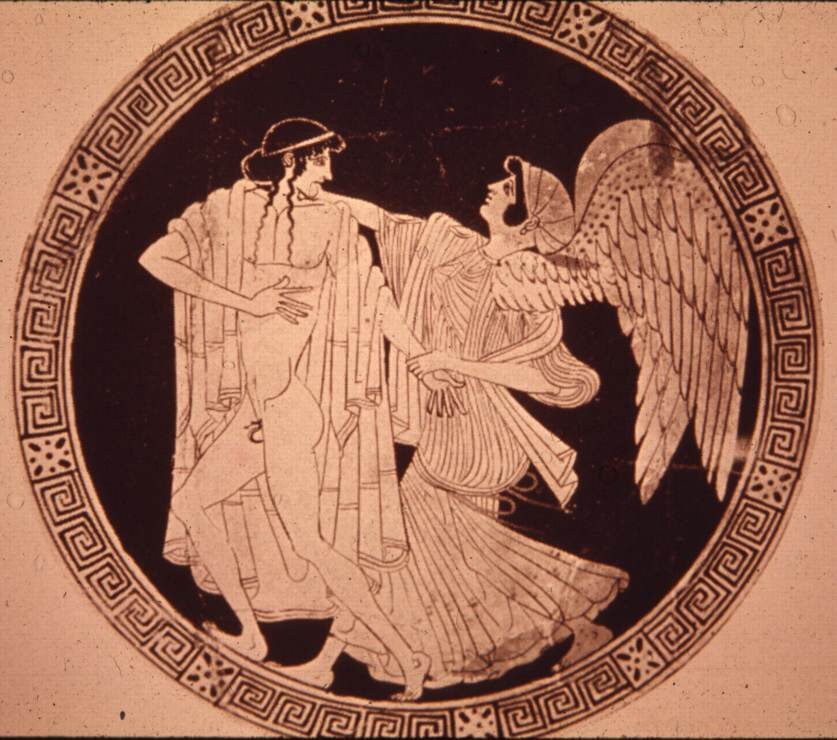
Frontispiece to De morbo attonito liber unus by Justus Cortnumm, Leipzig, 1677. Via BSB.

Two reasons Galen wrote commentaries

Humboldt-Universität zu Berlin
July 09, 2021 by Sean Coughlin in Ancient Medicine

Because his friends asked him to.

“You have two treatises [by me] which contain everything to do with critical days and crises—for I’m saying this to you, my friends, who compelled me against my better judgment to write commentaries on the works of Hippocrates. Keep in mind that I also wrote those works (sc. on critical days and crises) not intending that they would be distributed, but that they would be for you alone, but they happened to get out and into the hands of many people, just like many others I’ve written for you. That’s why I preferred not to interpret any of Hippocrates’ books in written commentaries. For whatever one needs to learn from him that is useful for the art has been written down by me in many treatises along with the appropriate interpretations [of Hippocrates].

“But since some of the passages that were not expressed very clearly [in Hippocrates’ writings] received a bad interpretation, so that none of those who wrote commentaries satisfied you, and you thought I was better than they were at figuring out Hippocrates’ thought, for this reason you asked me to provide for you in writing what you heard me say in my lectures. And I said the same thing to you earlier, that the interpretations will necessarily be uneven, since I won’t be interpreting all the passages equally, but I will speak more thoroughly about those that I haven’t mentioned in any of my other treatises, while I will speak in summary about those I’ve already gone through in detail elsewhere, so that I’m not forced to write about the same things many times.”

Δύο πραγματείας ἔχετε (πρὸς ὑμᾶς γὰρ λέγω τοῦτο τοὺς ἑταίρους, ὅσοι κατηναγκάσατέ με μὴ προῃρημένον ἐξηγήσεις γράψαι τῶν Ἱπποκράτους συγγραμμάτων), ἐν αἷς ἅπαντα περί τε κρισίμων ἡμερῶν εἴρηται καὶ κρίσεων. ἴστε δ’ ὅτι καὶ αὐτὰς οὐχ ὡς ἐκδοθησομένας, ἀλλ’ ὡς παρ’ ὑμῖν μόνοις ἐσομένας ἔγραψα. συνέβη δ’ ἐκπεσεῖν αὐτὰς καὶ παρὰ πολλοῖς εἶναι, καθάπερ καὶ ἄλλα πολλὰ τῶν ὑμῖν γενομένων. ὅθεν οὐδ’ ἐξηγεῖσθαι προῃρούμην ἐν ὑπομνήμασιν οὐδὲν τῶν Ἱπποκράτους βιβλίων. ὅσα γὰρ εἰς τὴν τέχνην χρήσιμα παρ’ αὐτοῦ μαθεῖν ἔδει, γέγραπταί μοι κατὰ πολλὰς πραγματείας ἅμα ταῖς οἰκείαις ἐξηγήσεσιν.

ἐπεὶ δ’ ἔνιαι τῶν λέξεων ἀσαφέστερον εἰρημέναι μοχθηρᾶς ἐξηγήσεως ἔτυχον, ὡς ἀρέσκειν ὑμῖν μηδένα τῶν γραψάντων ὑπομνήματα, βέλτιον δὲ αὐτῶν στοχάσασθαι τῆς Ἱπποκράτους γνώμης ἐδόκουν ὑμῖν ἐγώ, διὰ τοῦτό με καὶ διὰ γραμμάτων ἠξιώσατε, παρασχεῖν ὑμῖν, ἅπερ ἐν ταῖς διὰ λόγων συνουσίαις ἠκούσατε. κἀγὼ τοῦτ’ αὐτὸ προεῖπον ὑμῖν, ὡς ἀναγκαῖον ἔσται τὰς ἐξηγήσεις ἀνωμάλους ἔσεσθαι μὴ πάσας ὁμοίως ἐξηγουμένου μου τὰς λέξεις, ἀλλὰ τελεώτερον μέν, ὑπὲρ ὧν οὐδαμόθι τῶν ἐμῶν πραγματειῶν ἐμνημόνευσα, διὰ κεφαλαίων δέ, περὶ ὧν ἤδη τελέως ἐν ἐκείναις διῆλθον, ἵνα μὴ πολλάκις ὑπὲρ τῶν αὐτῶν πραγμάτων ἀναγκάζωμαι γράφειν.

Gal. Hipp. Prog. 3.6, 18B.229–231 K. = 328,4–22 Heeg

Because he would be criticized if he didn’t.

“Well, let them say these things, but let them not falsely accuse Herophilus, nor intimidate with a sacred name those who are ignorant of Herophilus’ writings, nor use it to contrive trust in their argument. For it is shameful to dispute something on the basis of witnesses as if one were in a court of law. If you are able to argue towards a demonstration, I’ll gladly listen to you, but to call on Herophilus and the Herophileans as witnesses is to run away from a direct dispute and argument, and for fear of refutation invent evasions and deceptions.

“Clearly, false witnesses are brought in for the sake of a story, not in order to inquire into the matter further. ‘Does Herophilus say this?’ ‘Certainly not.’ ‘But doesn’t that mean you are lying?’ ‘Why don’t you show that I’m lying, show what he says.’ And then some kind of ambiguous passage is presented and there is a fight about what the passage says and what it means. Suddenly, rhetorical exercises on language and meaning are being rolled out, then others on ambiguity and, by Zeus, on inference. But they even apply the whole theory of rhetoric, as if they were practicing a speech, not bringing the subject to a conclusion. For what hasn’t been said by modern doctors about this question, some maintaining that Herophilus also knows this differentia of the pulse, others trying to show that he does not know it?

“Well, both groups have had a hard life and deserve to be pitied, the first for their ignorance, the second for their competitiveness. But we also have a hard life, since it is not enough for us to practice the proper theoretical study of the art, but we want to know what Herophilus said, what Heraclides, Chrysermus, and Hegetor interpreted incorrectly, and what Apollonius and Bacchius and Aristoxenus said. And even if we do not want to, at any rate we are forced to do it and we get to enjoy both troubles: that we get involved in this nonsense when it is unnecessary and that we unwillingly act like they do. Now it turns out that I must do one of two things: either appear to say the opposite of Archigenes, Herophilus and countless others, or show that there is no full pulse according to Herophilus.

“If, therefore, I had chosen this task, I would be just as blameworthy as they are for the vanity of the study; however, as the case stands, having refuted their opinion according to the actual truth of the matter, I will let those people leave who are interested in the practice of the art itself, since we’ve already completed our inquiry into the subject. Anyone who wants and has time to learn about ancient history, I will add the whole thing, showing that Herophilus does not use the term ‘the full pulse’ anywhere for anything.”

ταῦτ’ οὖν αὐτοὶ μὲν λεγέτωσαν, Ἡροφίλου δὲ μὴ καταψευδέσθωσαν, μηδὲ δυσωπείτωσαν ὀνόματι σεμνῷ τοὺς ἀμαθεῖς τῶν Ἡροφίλου γραμμάτων, μηδ’ ἐκ τούτου τὴν πίστιν τῷ λόγῳ ποριζέσθωσαν. αἰσχρὸν γὰρ ἐπὶ μαρτύρων ἀγωνίζεσθαι, καθάπερ ἐν δικαστηρίῳ. εἰ λέγειν ἔχεις εἰς ἀπόδειξιν, ἡδέως ἀκουσόμεθά σου. τὸ δ’ Ἡρόφιλόν τε καὶ Ἡροφιλείους καλεῖν μάρτυρας, ἀποδιδράσκοντός ἐστι τὸν ἐξ εὐθείας ἀγῶνα καὶ λόγον καὶ διαδύσεις τε καὶ μηχανὰς ἐξευρίσκοντος ἐλέγχου φόβῳ.

δῆλον, ὡς ἕνεκα τοῦ μὴ περὶ πράγματος ἔτι ζητεῖν, ἀλλ’ ἱστορίας οἱ κατεψευσμένοι μάρτυρες ἐπεισάγονται. λέγει τοῦθ’ Ἡρόφιλος; οὐ μὲν οὖν. ἀλλὰ οὐδὲ ψεύσῃ; δεῖξον πῶς ψεύδομαι, δεῖξον πῶς λέγει. κᾄπειτα λέξις, εἰ οὕτως ἔτυχεν, ἀμφίβολος προβάλλεται καὶ πόλεμος ἄμφ’ αὐτῇ συνίσταται, τί ποθ’ ἡ λέξις λέγει καὶ τί ποτε βούλεται, καὶ κατὰ ῥητὸν ἤδη καὶ διάνοιαν ἐπιχειρήματα ῥητορικὰ καλινδεῖται, καὶ κατ’ ἀμφιβολίαν ἕτερα καὶ κατὰ συλλογισμοὺς νὴ Δία. ἀλλὰ καὶ πᾶσαν οὕτω μεταφέρουσιν τὴν ῥητορικὴν, ὥσπερ ὑπόθεσιν μελετῶντες, οὐ τὸ προκείμενον περαίνοντες. τί γὰρ οὐκ εἴρηται τοῖς νεωτέροις ἰατροῖς εἰς τὸ πρόβλημα, τοῖς μὲν κατασκευάζουσιν ἐπίστασθαι τὸν Ἡρόφιλον καὶ ταύτην τοῦ σφυγμοῦ τὴν διαφορὰν, τοῖς δ’ ὡς οὐκ οἶδεν ἐγχειροῦσι δεικνύειν;

ἀταλαίπωροι μὲν οὖν ἑκάτεροι καὶ ἐλεεῖσθαι δίκαιοι, τῆς μὲν ἀμαθείας οἱ πρότεροι, τῆς φιλονεικίας δ’ οἱ δεύτεροι. ἀταλαίπωροι δὲ καὶ ἡμεῖς, οἷς γε οὐκ ἀρκεῖ τὴν ἰδίαν ἀσκεῖν θεωρίαν τῆς τέχνης, ἀλλὰ τί μὲν Ἡρόφιλος εἶπεν, τί δ’ Ἡρακλείδης τε καὶ Χρύσερμος καὶ Ἡγήτωρ οὐκ ὀρθῶς ἐξηγήσαντο, τί δ’ ἂν εἶπεν Ἀπολλώνιός τε καὶ Βακχεῖος καὶ Ἀριστόξενος εἰδέναι βουλόμεθα. καὶ εἰ μὴ βουλόμεθα δὲ, πάντως ἀναγκαζόμεθα καὶ διττῶν ἀπολαύομεν κακῶν, ὅτι τε φλυαροῦμεν οὐδὲν δέον ὅτι τε μὴ βουλόμενοι τοῦτο δρῶμεν, ὥσπερ ἐκεῖνοι· νῦν γοῦν ἐμὲ δεῖ δυοῖν θάτερον, ἢ δοκεῖν Ἀρχιγένει τε καὶ Ἡροφίλῳ καὶ μυρίοις ἄλλοις τἀναντία λέγειν, ἢ δεικνύειν, ὅτι καθ’ Ἡρόφιλον οὐδείς ἐστι πλήρης σφυγμός.

εἰ μὲν οὖν ὡς ἔργον αὐτὸ προὐχειρισάμην, ἦν ἂν ὁμοίως ἐκείνοις ἄξιος μέμψεως ἐπὶ τῇ ματαίᾳ σπουδῇ· νυνὶ δὲ κατ’ αὐτὴν τῶν πραγμάτων τὴν ἀλήθειαν ἐξελέγξας αὐτῶν τὴν δόξαν, τοὺς μὲν πρὸς αὐτὰ τὰ ἔργα τῆς τέχνης σπεύδοντας ἀπολύσω πρὸς ἐκεῖνα, συντετελεσμένης ἡμῖν ἤδη τῆς προκειμένης ζητήσεως. ὅσοι δὲ καὶ ἱστορίαν ἐκμανθάνειν παλαιὰν ἐθέλουσι, καὶ χρόνον εἰς τοῦτ’ ἔχουσιν, ἅπαντα προσθήσω, δεικνὺς ὅτι μηδαμοῦ χρῆται πρὸς μηδὲν Ἡρόφιλος τῷ πλήρει σφυγμῷ.

Gal. Dig. Puls. 4.3, 8.954–956 K.

July 09, 2021 /Sean Coughlin
Galen, Hippocratic Commentary
Ancient Medicine
Comment

Caldarium of the old baths at Pompeii. Engraving in Johannes Overbeck, Pompeji in seinen Gebäuden, Alterthümern und Kunstwerken, Leipzig: Engelmann, 1884 via Harry Thurston Peck, Harpers Dictionary of Classical Antiquities, New York: Harper and Brothers, 1898 via Wikimedia Commons.

Bathing with Galen's Friend

Humboldt-Universität zu Berlin
July 02, 2021 by Sean Coughlin in Ancient Medicine

“In fact, someone recently asked me why we urinate cold urine in the baths, but hot outside them. He did not understand that urine itself is equally warm both in the baths and out of them, and that it is the surface of one's body that is not in the same state while bathing and before. For when we are bathing, our body's surface is warmer than the urine, but outside it is colder, so it's reasonable that the urine seems hot to it when outside the bath, but cold inside.”

καί τις ἔναγχος ἡμῖν προὔβαλε διὰ τί ψυχρὸν μὲν ἐν τοῖς βαλανείοις οὐροῦμεν, ἔξω δὲ θερμὸν, οὐ παρακολουθῶν ὅτι τὸ μὲν οὖρον αὐτὸ χλιαρὸν ὁμοίως ἐστὶν ἔν τε τοῖς βαλανείοις κᾀκτὸς, ἡμεῖς δὲ οὐχ ὡσαύτως διακείμεθα τὴν ἐπιφάνειαν τοῦ σώματος ἔν τε τῷ λούεσθαι καὶ πρὸ τούτου. λουόμενοι μὲν γὰρ θερμοτέραν ἔχομεν αὐτὴν ἢ κατὰ τὸ οὖρον, ἔξω δὲ ψυχροτέραν· ὥστε εὐλόγως αὐτῇ καὶ τὸ οὖρον ἔξω μὲν τοῦ βαλανείου θερμὸν, ἔνδον δὲ ψυχρὸν φαίνεται.

Galen, Simple Drugs 3.8, 11.554–555 Kühn

July 02, 2021 /Sean Coughlin
Galen, regimen, lifestyle
Ancient Medicine
Comment
εὐφρόσυνος (euphrosynos): good cheer. Mosaic, 4th/5th century, Antakya (Antioch) Archaeological Museum, Turkey. Image by Dosseman via Wikimedia Commons, CC BY-SA 4.0.

εὐφρόσυνος (euphrosynos): good cheer. Mosaic, 4th/5th century, Antakya (Antioch) Archaeological Museum, Turkey. Image by Dosseman via Wikimedia Commons, CC BY-SA 4.0.

Aristotle on wine-drunk vs. beer-drunk

Humboldt-Universität zu Berlin
June 25, 2021 by Sean Coughlin in Philosophy, Ancient Medicine

“Hellanikos says the grape vine was first discovered in Plinthine, a city in Egypt, which is why Dio from the Academy says the Egyptians became lovers of wine and drinking. They also discovered a remedy for those who, because of poverty, couldn’t afford wine, by giving them a drink made from barley. And the people who took this were given such pleasure that they sang and danced and acted in every way like those who drank lots of wine. Aristotle, however, says that those who get drunk on wine fall forward onto their faces, while those who have been drinking beer fall back onto their heads, for wine makes one’s head heavy, while beer causes stupor.”

Ἑλλάνικος δέ φησιν ἐν τῇ Πλινθίνῃ πόλει Αἰγύπτου πρώτῃ εὑρεθῆναι τὴν ἄμπελον. διὸ καὶ Δίων ὁ ἐξ Ἀκαδημίας φιλοίνους καὶ φιλοπότας τοὺς Αἰγυπτίους γενέσθαι: εὑρεθῆναί τε βοήθημα παρ᾽ αὐτοῖς ὥστε τοὺς διὰ πενίαν ἀποροῦντας οἴνου τὸν ἐκ τῶν κριθῶν γενόμενον πίνειν: καὶ οὕτως ἥδεσθαι τοὺς τοῦτον προσφερομένους ὡς καὶ ᾁδειν καὶ ὀρχεῖσθαι καὶ πάντα ποιεῖν ὅσα τοὺς ἐξοίνους γινομένους. Ἀριστοτέλης δέ φησιν ὅτι οἱ μὲν ὑπ᾽ οἴνου μεθυσθέντες ἐπὶ πρόσωπον φέρονται, οἱ δὲ τὸν κρίθινον πεπωκότες ἐξυπτιάζονται τὴν κεφαλήν: ὁ μὲν γὰρ οἶνος καρηβαρικός, ὁ δὲ κρίθινος καρωτικός.

Athenaeus, The Sophists at Dinner, 1.61

June 25, 2021 /Sean Coughlin
Aristotle, dinner parties, drunkenness, lost books
Philosophy, Ancient Medicine
Comment

Perfume and transmutation: Pamphile turns into an owl. Illustration by Jean de Bosschère, 1923.

Two Texts on Scent: Aristotle and Theophrastus

Humboldt-Universität zu Berlin
June 19, 2021 by Sean Coughlin in Ancient Medicine, Philosophy

“Since there is an odd number of senses, and since an odd number always has a middle, it seems the sense of smell is itself in the middle between the haptic senses, i.e. touch and taste, and the mediated senses, i.e. sight and hearing. For this reason smell is also a certain affection both of things that are nourishing (for these are in the class of haptic things) and of things that are audible and visible, which is why [animals] smell in both air and water. Thus, the object of smell is something common to both of these classes, belonging to the haptic, and to the audible and transparent. That’s also why scent has reasonably been compared to a kind of dye-bath and a washing of the dry in the moist and liquid.”

ἔοικε δ' ἡ αἴσθησις ἡ τοῦ ὀσφραίνεσθαι, περιττῶν οὐσῶν τῶν αἰσθήσεων καὶ τοῦ ἀριθμοῦ ἔχοντος μέσον τοῦ περιττοῦ, καὶ αὐτὴ μέση εἶναι τῶν τε ἁπτικῶν, οἷον ἁφῆς καὶ γεύσεως, καὶ τῶν δι' ἄλλου αἰσθητικῶν, οἷον ὄψεως καὶ ἀκοῆς. διὸ καὶ τὸ ὀσφραντὸν τῶν θρεπτικῶν ἐστὶ πάθος τι (ταῦτα δ' ἐν τῷ ἁπτῷ γένει), καὶ τοῦ ἀκουστοῦ δὲ καὶ τοῦ ὁρατοῦ, διὸ καὶ ἐν ἀέρι καὶ ἐν ὕδατι ὀσμῶνται. ὥστ' ἐστὶ τὸ ὀσφραντὸν κοινόν τι τούτων ἀμφοτέρων, καὶ τῷ τε ἁπτῷ ὑπάρχει καὶ τῷ ἀκουστῷ καὶ τῷ διαφανεῖ· διὸ καὶ εὐλόγως παρείκασται ξηρότητος ἐν ὑγρῷ καὶ χυτῷ οἷον βαφή τις εἶναι καὶ πλύσις.

Aristotle, On Sense and Sensible Objects, 5.27–28, 445a4–445a14

“They use aromatics for all perfumes. With some they treat the oil as with a mordant [ἐπιστύφοντες], with others they impart the scent derived from them. For in all cases they treat the oil as with a mordant [ὑποστύφουσι] in order that the oil might become more receptive to the scent, just like wool into a dye-bath. They use the weaker of the aromatics as a mordant, then later they add the one whose scent they wish to preserve. For the last one added always dominates, even if it is not much in quantity. For example, if someone were to add a mna of myrrh into a kotyle of oil, and later add two drachmas of cinnamon, the two drachmas of cinnamon would dominate.'“

Χρῶνται δὲ πρὸς πάντα τοῖς ἀρώμασι, τοῖς μὲν ἐπιστύφοντες τὸ ἔλαιον τοῖς δὲ καὶ τὴν ὀσμὴν ἐκ τούτων ἐμποιοῦντες. Ὑποστύφουσι γὰρ πᾶν εἰς τὸ δέξασθαι μᾶλλον τὴν ὀσμὴν ὥσπερ τὰ ἔρια εἰς τὴν βαφήν. Ὑποστύφεται δὲ τοῖς ἀσθενεστέροις τῶν ἀρωμάτων, εἶθ' ὕστερον ἐμβάλλουσιν ἀφ' οὗ ἂν βούλωνται τὴν ὀσμὴν λαβεῖν· ἐπικρατεῖ γὰρ ἀεὶ τὸ ἔσχατον ἐμβαλλόμενον καὶ ἂν ἔλαττον ᾖ· οἷον ἐὰν εἰς κοτύλην σμύρνης ἐμβληθῇ μνᾶ καὶ ὕστερον ἐμβληθῶσι κιναμώμου δραχμαὶ δύο, κρατοῦσιν αἱ τοῦ κιναμώμου δύο δραχμαί.

Theophrastus, On Scents, 4.17

June 19, 2021 /Sean Coughlin
perfume, Aristotle, Theophrastus, dye, Alchemy
Ancient Medicine, Philosophy
Comment
Funerary relief for a physician, ca 100 BCE / 100 CE, marble. Part of the Soul is an Octopus exhibition: plaster cast, 20th c., Gipsformerei der Staatlichen Museen zu Berlin, Spgntung Preußischer Kulturbesitz.

Funerary relief for a physician, ca 100 BCE / 100 CE, marble. Part of the Soul is an Octopus exhibition: plaster cast, 20th c., Gipsformerei der Staatlichen Museen zu Berlin, Spgntung Preußischer Kulturbesitz.

What doctors say they saw

Humboldt-Universität zu Berlin
June 12, 2021 by Sean Coughlin in Ancient Medicine

“For instance, I have seen people who, having slit their own throats, have completely severed the windpipe. Sometimes they live, but they cannot speak unless someone closes their windpipe—then they can speak.”

εἶδον δὲ ἤδη οἳ, σφάξαντες ἑωυτοὺς, ἀπέταμον τὸν φάρυγγα παντάπασιν· οὗτοι ζῶσι μὲν, φθέγγονται δὲ οὐδὲν, εἰ μή τις συλλάβῃ τὸν φάρυγγα· οὕτω δὲ φθέγγονται·

Fleshes 18

“Firstly, when the seed enters the womb, after seven days it develops all the parts the body is going to have. Now, you might wonder how I know this, but I have seen many things in the following way. The common prostitutes who have a lot of experience with these things, when they have had sex with a man, know when they’ve conceived in the womb, and then they destroy it. When it is actually destroyed, it falls out as flesh. When you put this flesh into water and examine it in the water, you will find it has all its parts: the eye sockets, the ears and limbs, also the fingers of the hands, the legs, the feet and the toes and the genitals and the whole rest of the body is evident.”

ὁ δὲ αἰών ἐστι τοῦ ἀνθρώπου ἑπταήμερος. πρῶτον μὲν ἐπὴν ἐς τὰς μήτρας ἔλθῃ ὁ γόνος, ἐν ἑπτὰ ἡμέρῃσιν ἔχει ὁκόσα περ ἐστὶν ἔχειν τοῦ σώματος· τοῦτο δέ τις ἂν θαυμάσειεν ὅκως ἐγὼ οἶδα· πολλὰ δὲ εἶδον τρόπῳ τοιῷδε· αἱ ἑταῖραι αἱ δημόσιαι, αἵτινες αὐτέων πεπείρηνται πολλάκις, ὁκόταν παρὰ ἄνδρα ἔλθῃ, γινώσκουσιν ὁκόταν λάβωσιν ἐν γαστρί· κἄπειτ' ἐνδιαφθείρουσιν· ἐπειδὰν δὲ ἤδη διαφθαρῇ, ἐκπίπτει ὥσπερ σάρξ· ταύτην τὴν σάρκα ἐς ὕδωρ ἐμβαλὼν, σκεπτόμενος ἐν τῷ ὕδατι, εὑρήσεις ἔχειν πάντα μέλεα καὶ τῶν ὀφθαλμῶν τὰς χώρας καὶ τὰ οὔατα καὶ τὰ γυῖα· καὶ τῶν χειρῶν οἱ δάκτυλοι καὶ τὰ σκέλεα καὶ οἱ πόδες καὶ οἱ δάκτυλοι τῶν ποδῶν, καὶ τὸ αἰδοῖον καὶ τὸ ἄλλο πᾶν σῶμα δῆλον.

Fleshes 19

“And clothes that are tied up together and fixed tightly with a stick are burnt up by themselves, as I have actually seen, as if they were burnt up by fire.”

καὶ ἱμάτια συνδεδεμένα καὶ κατεσφηνωμένα ἰσχυρῶς δορὶ κατακαίεται ὑπὸ σφέων αὐτῶν, ὡς ἐγὼ ἤδη εἶδον, ὥσπερ ὑπὸ πυρὸς ἐκκαέντα.

Nature of the Child 24

June 12, 2021 /Sean Coughlin
early Greek medicine, Hippocrates, embryology
Ancient Medicine
Comment
Ariadne, sleeping, with Bacchus and Eros behind. Samandaĝ, mosaic, 2nd/3rd c. Image by Dosseman via Wikimedia Commons.

Ariadne, sleeping, with Bacchus and Eros behind. Samandaĝ, mosaic, 2nd/3rd c. Image by Dosseman via Wikimedia Commons.

Galen on Sleep, Health and Heartbreak

Humboldt-Universität zu Berlin
June 04, 2021 by Sean Coughlin in Ancient Medicine

More of Galen’s comments on the aphorism attributed to Hippocrates:

“The kinds of habits that influence our health: diet, shelter, work, sleep, sex, thought.”

ἔθος δὲ, ἐξ οἵων ὑγιαίνομεν, διαίτῃσι, σκέπῃσι, πόνοισιν, ὕπνοισιν, ἀφροδισίοισι, γνώμῃ.

Epidemics 6.8.23

Other cases: Maiandros, the augur who predicted his own death; a Cappadocian man who thought the sky would fall.

“In Rome, I recently saw a grammarian named Kallistos whose books were destroyed in the Great Fire that had burned the Temple of Peace. He grieved about this and could no longer sleep. First, he was taken with fever, and then, in just a short time, he wasted away until he died. I have seen quite a number of people like this—whose bodies waste away, be it from grief or from a bad mental state. I will limit myself to a few cases, because their number is too large. First, I mention the story of the mother of the lawyer Nasutus. The story of this woman is as follows. She received news that a woman she loved very much, who was seventy years old, was going by invitation to another place. She arrived there and returned home after having made the long journey. When she returned, she lay down on the bed and asked for some water to drink. The servant replied, “I'll bring it to you right away,” but she fell asleep before the servant returned with the water. By then, some time had passed without the people around the woman noticing anything. When, however, they called to her, she gave no answer. The servants were then compelled to shake her, but she did not wake up. They examined her and touched her body to see what had happened. Her whole body was cold and it was clear that she was dead. They covered her with the clothes in which she had died. When the mother of Nasutus found out about this, it went to her heart so much that she could no longer sleep the way she usually used to do, and eventually she could no longer sleep at all. Her body wasted away from insomnia. She began to have a fever and four days after the news of her friend’s death, she too passed away.”

In Rom sah ich vor kurzem einen Grammatiker, namens Kallistos, dem seine Bücher bei dem großen Brand in Rom, bei dem der Tempel, der “Tempel des Friedens” heißt, verbrannte, vernichtet wurden. Darüber grämte er sich und fand keinen Schlaf mehr. Zuerst begannen bei ihm Fieber, und dann in nicht langer Zeit siechte er dahin, bis er starb. Ich habe noch eine ganze Anzahl derartiger Menschen gesehen, deren Körper dahinsiechte, sei es aus Gram oder einer schlechten Geistesverfassung. Ich beschränke mich auf ein paar Fälle, da ihre Zahl ja zu groß ist. Zuerst erwähne ich die Geschichte der Mutter des Rechtsgelehrten Nasutus. Die Geschichte dieser Frau ist folgende: Sie erhielt die Nachricht, daß eine Frau, die sie sehr liebte und die siebzig Jahre alt war, nach einem anderen Orte auf eine Einladung hin ging. Sie war dort eingetroffen und auch wieder zurückgekehrt, nachdem sie den weiten Weg gemacht hatte. Nach ihrer Rückkehr hatte sie sich auf das Bett gelegt und verlangte etwas Wasser zu trinken. Der Diener hatte geantwortet: “Ich bringe es dir sofort.” Sie schlief aber ein, bevor der Diener mit dem Wasser zurück war. Es verging nun einige Zeit, ohne daß die Leute um die Frau etwas gemerkt hatten. Dann aber riefen sie sie an, aber sie gab keine Antwort. Die Diener sahen sich deshalb gezwungen, sie zu rütteln. Sie wachte aber nicht auf. Sie machten sich nun daran, die Sache zu untersuchen, und befühlten sie, um zu sehen, was mit ihr vorgegangen war. Ihr ganzer Körper war kalt, und es war klar, daß sie tot war. Sie deckten sie mit dem Kleid zu, in dem sie gestorben war. Als die Mutter des Nasutus dies erfuhr, ging es ihr so zu Herzen, daß sie sich nicht mehr zum Schlafen niederlegen konnte, wie sie es sonst gewöhnt war, und überhaupt keinen Schlaf mehr finden konnte. Da siechte auch ihr Körper infolge der Schlaflosigkeit dahin. Sie begann zu fiebern, und schon nach vier Tagen seit der Todesnachricht verschied auch sie.*

Galen, Commentary on Hippocrates‘ Epidemics 6.8, 486,19-487,12 Wenkebach/Pfaff

*Pfaff’s German translation of Hunayn’s school’s Arabic translation (the Greek is lost).

June 04, 2021 /Sean Coughlin
Galen, Hippocratic Commentary, Medicine of the mind, mental health
Ancient Medicine
Comment
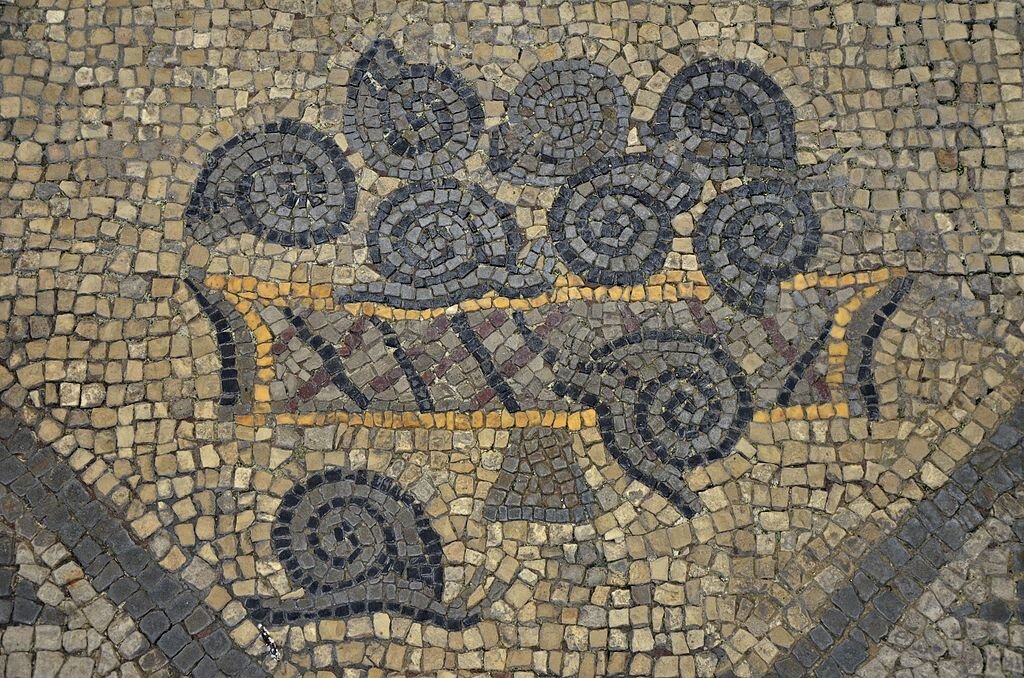
Basket of snails. Mosaic, 4th century CE. Aquileia. Image by Carole Raddato via wikimedia commons.

Basket of snails. Mosaic, 4th century CE. Aquileia. Image by Carole Raddato via wikimedia commons.

Galen isn’t writing for…

Humboldt-Universität zu Berlin
May 29, 2021 by Sean Coughlin in Ancient Medicine

Egyptians and people who eat snakes.

“If we didn’t mention them in our discussion of terrestrial animals, we wouldn’t end up saying anything about the nutriment derived from snails at all. But surely it would not be reasonable to leave them out, like we did woodworms or vipers and the other snakes they eat in Egypt and in some other provinces. For none of them will read these things, and we’re never going to eat any of their foods.”

εἰ δὲ μηδ' ἐν τοῖς πεζοῖς αὐτοῦ μνημονεύσαιμεν, οὐδ' ὅλως ἐροῦμέν τι περὶ τῆς ἐκ κοχλίου τροφῆς. οὐ μὴν οὐδὲ παραλιπεῖν εὔλογον, ὥσπερ τοὺς ἐκ τῶν ξύλων σκώληκας ἐχίδνας τε καὶ τοὺς ἄλλους ὄφεις ὅσα τε κατ' Αἴγυπτον καὶ ἄλλα τινὰ τῶν ἐθνῶν ἐσθίουσιν· οὔτε | γὰρ ἐκείνων τις ἀναγνώσεται ταῦτα, καὶ ἡμεῖς οὐκ ἄν ποτε φάγοιμέν τι τῶν ἐκείνοις ἐδωδίμων.

Galen, On the properties of foods 3.2, 6.668 K = 337,13–18 Helmreich

Germans and other barbarians.

“Among the Germans, children are not raised well, but we’re not really writing this for Germans or any other wildlings or barbarians, any more than we are for bears or lions or boars or whatever other savage beasts; rather, we are writing this for Greeks and all those who were born barbarian by race but strive to emulate the Greek way of life.”

παρὰ μέν γε τοῖς Γερμανοῖς οὐ καλῶς τρέφεται τὰ παιδία. ἀλλ' ἡμεῖς γε νῦν οὔτε Γερμανοῖς οὔτε ἄλλοις τισὶν ἀγρίοις ἢ βαρβάροις ἀνθρώποις ταῦτα γράφομεν, οὐ μᾶλλον ἢ ἄρκτοις ἢ λέουσιν ἢ κάπροις ἤ τισι τῶν ἄλλων θηρίων, ἀλλ' Ἕλλησι καὶ ὅσοι τῷ γένει μὲν ἔφυσαν βάρβαροι, ζηλοῦσι δὲ τὰ τῶν Ἑλλήνων ἐπιτηδεύματα.

Galen, On Matters of Health 1.10.17, 6.52 K = 24,21–25 Koch

Randoms.

“I recommend to the educated—since it’s not going to be randoms who read this—to pay attention to those things by which they are benefitted and harmed, for in this way they will have little need of doctors as long as they stay healthy.”

ὧν τοῖς πεπαιδευμένοις (οὐ γὰρ δὴ οἱ τυχόντες γε ταῦτα ἀναγνώσονται) συμβουλεύω παραφυλάττειν, ὑπὸ τίνων ὠφελοῦνταί τε καὶ βλάπτονται· συμβήσεται γὰρ οὕτως αὐτοῖς εἰς ὀλίγα δεῖσθαι τῶν ἰατρῶν, μέχρις ἂν ὑγιαίνωσιν.

Galen, On Matters of Health 6.14.28, 6.450 K. = 197,14–17 Koch

May 29, 2021 /Sean Coughlin
Galen, casual racism, audience, hygiene, seasonal food
Ancient Medicine
Comment
Scene from the Casa di Lupanare piccolo in Pompeii, fresco, first century CE. Image via wikimedia commons.

Scene from the Casa di Lupanare piccolo in Pompeii, fresco, first century CE. Image via wikimedia commons.

“Implausible explanations of things that don’t happen”: Galen on Sabinus on first times

Humboldt-Universität zu Berlin
May 21, 2021 by Sean Coughlin in Ancient Medicine

Galen talks about ancient readings, his critics, the difference between conversational and written commentary, and why he sometimes feels he has to write as much as he does.

He’s arguing against a reading of Hippocrates by Sabinus. Now Sabinus is a Hippocratic commentator, roughly contemporary with Galen, maybe a generation or two before. Galen sometimes refers to him directly, sometimes he refers to his circle. It’s not clear whether there’s anything to this. Galen thinks Sabinus’ commentaries, along with those of Rufus of Ephesus and Numisianus, are worth reading—high praise from Galen—, but here he takes issue with his comments on an aphorism about sex and gassy bellies. I’m not sure I’ve totally understood what Galen is saying about why Sabinus thinks the passage is about people just starting to have sex, but Galen thinks this is wrong. It’s not impossible that Hippocrates wrote what Sabinus thinks, however, and so Galen needs to defend his reading in another way, namely by appealing to experience. What Sabinus attributes to Hippocrates never happens, at least according to Galen, and since it doesn’t happen, it’s not something Hippocrates is likely to have said.

Thanks to David and Peter for help with the translation.

Here’s the aphorism as recorded in Wenkebach’s text (it’s different from Littré and Smith, which I also inlcude):

“For some, the belly becomes gassy when they have sex, like Damnagoras; for others, a noise in them, like Arcesilaus.”

Οἷσιν, ὅταν ἀφροδισιάζωσι, φυσᾶται ἡ γαστὴρ ὡς Δαμναγόρᾳ, οἷσι δ' ἐν τούτοισι ψόφος <ὡς> Ἀρκεσιλάῳ.

Epidemics 6.3.12 (136,11–13 Wenkebach-Pfaff)

6.3.5 (3.5 V 294,7–8 Littré) οἷσιν, ὅταν ἀφροδισιάζωσι, φυσᾶται ἡ γαστὴρ, ὡς Δαμναγόρᾳ· οἷσι δ' ἐν τούτῳ ψόφος, Ἀρκεσιλάῳ δὲ καὶ ᾤδεεν. Τὸ φυσῶδες ξυναίτιον τοῖσι πιτυρώδεσι, καὶ γάρ εἰσι φυσώδεες.

6.3.5 (236,18–21 Smith) ἔστιν οἷσιν ὅταν ἀφροδισιάζωσι φυσᾶται ἡ γαστὴρ, ὡς Δαμναγόρᾳ, οἷσι δ' ἐν τούτῳ ψόφος. Ἀρκεσιλάῳ δὲ καὶ ᾤδει. τὸ φυσῶδες ξυναίτιον τοῖσι πτερυγώδεσι, καὶ γάρ εἰσι φυσώδεις.

And here is Galen’s commentary:

‘Different people write the passage in different ways, and some add to it the phrase “when they begin”, leaving out the “for some” at the beginning and composing the sentence like this: “when they begin to have sex, the belly becomes gassy”. They want it to say that those who are beginning to have sex, i.e., those who are first trying out this activity, suffer what was indicated in the passage that follows. Now, no ancient book or commentator knows this reading. Nevertheless, Sabinus’ circle says his [i.e. Hippocrates’] account is about those beginning to have sex, even though Hippocrates mentioned one man by name, Damnagoras. This is something he usually does when he goes through something that happens only to a few people. And without anything written about these things by Hippocrates, one should have learned about the phenomenon from experience. For it is not the case that those who are beginning to have sex suffer intestines filled with gas or have a noise contained in them; it is rather that, in rare cases, some of those past their prime and who have the affection called flatulent, hypochondriac and melancholic, more often suffer from intestines filled with gas when they have sex. These same people also have a constant desire for sex.

“Well then, I have said it before many times already: whether I neglect the readings which others have offered in this passage, or whether I talk about them all, there are many people who will find fault with either of them, since they judge the appropriate length of the discussion by their own desires, not the nature of the subject matter. And of course even if I should talk about some things that have been said or written down, and leave out others, even then some of them will blame me because I should have left out some of the things that I discussed since they are clearly frivolous, while I should have discussed some of the things I left out since they are not inferior to what I did discuss. For in our day-to-day intercourse, once we have found out from those present what kind of explanation they want to hear from us, we try to adapt it [sc. the explanation] to their wishes. In a book, however, this is not possible to do. That is why in the majority of passages I generally chose not to mention variants from the ancient reading or interpretations that are altogether unusual. In some cases, however, either when the transmitted text is not altogether implausible *** The readers should keep the commentaries in mind, to mention them in each passage they are burdensome *** [the text is problematic].

‘Sabinus’ circle, then, said that those who attempt sex for the first time suffer what was described in the passage, and assuming this is true, they try to explain the cause of it; but contrary to them, some took [ἐποιήσαντο] this reading of the passage: “it is the case for some that when they have sex, the belly becomes gassy.” Those in Sabinus’ circle say, not without reason, that this happens to those who are beginning to have sex. First, <they say> big and strange changes are happening to the body (for they write like this), and because of these strange changes, epilepsy and nephritis and other chronic conditions affect them. And then <they say> that Democritus said, “man springs from man in sexual intercourse” [DK 32B]. And so for this reason, they say, there is a great deal of irritation since they are unaccustomed to semen and they are affected by the acridity; and in fact the account is common, so they say, to both women and men, and they say the cause in the case of women is clear. For the intestines lie under the womb, while the bladder lies on top of it. It is likely, then, that it holds back the excretion from both when it is stretched and engorged; and so, since the gas is continually stopped up inside, she suffers a build-up of pneuma, and since the urine is stopped, the area around the belly becomes swollen. This, then, is what Sabinus’ circle says, giving implausible explanations of things that do not happen. For these things do not happen to young people when they begin having sex, but to those called melancholic and flatulent, who experience these kinds of things after they are past their prime. For generally being filled with gas occurs because of weakness of the natural heat; when this is strong, none of these things happens.

‘In the Problemata, Aristotle also inquires into the cause on account of which melancholics are sexually excited, and he says they have a lot of gassy pneuma that collects in their hypochondrion, which is why these kinds of affection are called pneumatic and hypochondriac, and both Diocles and Pleistonicus and many other doctors say this is how they are called. It would not be a bad idea to mention a passage from what was written by Aristotle, which goes like this: “Why are melancholics sexually excited? Is it because they are full of pneuma? For semen is an outlet for pneuma. Thus, for this reason when there is much of it, necessarily one often desires to be purged, for then they are relieved” [Problemata 4.30, 880a30-33]. Thus, also for this reason, Rufus chose to write “fear” instead of “noise”, so that Hippocrates’ discussion would be about melancholics, for whom fear is particularly specific. For while their fears are different, there is always some one thing for each of them when they are moderately depressed, otherwise there are two or more, or very many, for some of them even everything. Thus, according to Rufus, the passage will be as follows: “for some, when they have sex, the belly becomes gassy, as for Damnagoras, while for some there is fear in them”; but according to the ancient commentators, it is as it has been written at the start, for I always add their reading, even if it seems to be in error according to the first copyists. For as I have said many times already, once we have said how it was discovered to have been written, we should right away offer some interpretation in addition indicating this very thing. The interpretation of Sabinus’ circle has been discussed.

‘Kapito however wrote it in this way: “It is the case for some, when they have sex, the belly becomes gassy, as for Damnagoras, while for some there is a noise in them.” Dioscorides in this way: “while for some, when they have sex, the belly becomes gassy, as for Damnagoras, for some there is a noise in them.” For he left out the letter delta. Actually, none of the interpreters agree with one another on the interpretation of the word “noise”, some saying it means intestinal rumbling, some belching, some passing gas downwards, some whichever of these is simplest, whatever movement in the intestines is perceptible to hearing, for there are some other motions and “sounds” in the intestines beyond intestinal rumbling, some like echoes, some like hissing or some such manner of noise.

‘“For Arcesilaus, it also used to become swollen.” “For Arcesilaus”, he says, not only did “the belly used to be gassy”, but also “swollen”, i.e., he had an oedema. I have said already many times that he calls all masses that are contrary to nature “oedema”, whether they are inflammatory, erysipelic, or like a hardened swelling; the moderns, however, call only the spongy mass an “oedema”. But just what kind of mass he said Arcesilaus developed is no small inquiry. He seems to me to have meant what is specifically termed such by the moderns. It is implausible that he developed an erysipelas or inflammation or hardened swelling or some other such thing around the time of sexual activities or a little later, and again in addition to not establishing it much. This whole problem has been left out by the commentators. Nevertheless, Hippocrates mentions this Arcesliaus in another place in the book, where he says: “at the onset of this, it is the case that some pass gass, like Arcesilaus.” And so it is clear that for such people the belly is full of gas and that it is caused to be emitted by the tension that arises during sex. Dioscorides wrote the passage in this way: “But for Arcesilaus bad gassiness swelled up” instead of “the gassiness smelled bad”, wanting it to be written in this way, while everyone else begins the second passage with “the gassiness”, as it is written next.’

Καὶ ταύτην τὴν ῥῆσιν ἄλλος ἄλλως γράφει καί τινες προστιθέασιν αὐτῇ τὸ “ὅταν ἄρχωνται”, τὸ κατὰ τὴν ἀρχὴν εἰρημένον «οἷσιν» ἀφαιροῦντες καὶ ποιοῦντες τὴν λέξιν τοιαύτην· “ὅταν ἄρχωνται «ἀφροδισιάζειν, φυσᾶται ἡ γαστήρ»”, βουλόμενοι τοὺς ἀρχομένους ἀφροδισίων, τουτέστι τοὺς πρῶτον ἐπιχειροῦντας τῷ ἔργῳ τούτῳ, πάσχειν τὰ διὰ τῆς ῥήσεως ἐφεξῆς δηλούμενα. καίτοι τὴν γραφὴν ταύτην οὔτε βιβλίον | τι παλαιὸν οὔτ' ἐξηγητὴς οἶδεν. ἀλλ' ὅμως οἱ περὶ τὸν Σαβῖνον ἐπὶ τῶν ἀρχομένων ἀφροδισιάζειν τὸν λόγον αὐτῷ εἶναί φασι, καίτοι μνημονεύσαντος αὐτονομαστὶ τοῦ Ἱπποκράτους ἑνὸς ἀνθρώπου, τοῦ Δαμναγόρου. τοῦτο δ' εἴωθε ποιεῖν, ὅταν ὀλίγοις τισὶ γινόμενον πρᾶγμα διέρχηται. καὶ χωρὶς δὲ τοῦ γεγράφθαι τι περὶ τούτων Ἱπποκράτει τὸ φαινόμενον ἐχρῆν ἐκ τῆς πείρας μαθεῖν. οὐ γὰρ συμβαίνει τοῖς ἀρχομένοις ἀφροδισίων «ἐμφυσᾶσθαι» τὴν κοιλίαν ἢ «ψόφον» ἴσχειν ἐν αὐτῇ, ἀλλὰ μᾶλλον ἐνίοις ἐν τῷ σπανίῳ τῶν παρακμαζόντων τε καὶ τὸ καλούμενον πάθημα φυσῶδές τε καὶ ὑποχονδριακὸν καὶ μελαγχολικὸν ἐχόντων «ἐμφυσᾶσθαι» συμβαίνει μᾶλλον «τὴν γαστέρα», ὅταν «ἀφροδισίοις» χρήσωνται. τοῖς δ' αὐτοῖς τού<τοις> ὑπάρχει καὶ τὸ συνεχῶς ὀρέγεσθαι μίξεως.

ὅπερ οὖν πολλάκις ἤδη πρόσθεν εἶπον, ἐάν τε παραλείπω τὰς γραφὰς ἃς ἐποιήσαντο κατὰ τήνδε τὴν ῥῆσιν, ἐάν τ' εἴπω πάσας, ἑκατέρῳ μέμψονται πολλοὶ ταῖς ἑαυτῶν ἐπιθυμίαις κρίνοντες τὸ σύμμετρον ἐν τοῖς λόγοις, οὐ τῇ τῶν πραγμάτων φύσει. καὶ μέντοι κἄν | τινα μὲν εἴπω τῶν εἰρημένων τε καὶ γεγραμμένων, τινὰ <δὲ> παραλείπω, καὶ οὕτως ἔσονταί τινες οἱ μεμψάμενοί τινα μὲν τῶν εἰρημένων ὡς ἐχρῆν παραλελεῖφθαι καὶ ταῦτα ληρώδη γε ὄντα, τινὰ δὲ τῶν παραλελειμμένων ὡς ἐχρῆν εἰρῆσθαι μὴ χείρω τῶν εἰρημένων ὄντα. κατὰ μὲν γὰρ τὰς ὁσημέραι γινομένας συνουσίας ὁποίαν τινὰ βούλονται τὴν ἐξήγησιν ἀκούειν οἱ παρόντες, αὐτῶν ἐκείνων πυθόμενοι ἁρμόττεσθαι πειρῶνται ταῖς βουλήσεσιν αὐτῶν. ἐν βιβλίῳ δ' οὐκ ἔστι πρᾶξαι τοῦτο. διόπερ εἱλόμην ἐν μὲν ταῖς πλείσταις τῶν ῥήσεων ἢ μηδ' ὅλως μνημονεύειν τῶν ὑπαλλαττόντων τὴν ἀρχαίαν γραφὴν ἢ παντάπασιν ἀλλοκότως ἐξηγησαμένων. ἐπί τινων δ' ἤτοι τὰ μὴ παντάπασιν ἀπιθάνως εἰρημένα *** μεμνῆσθαι χρὴ τοὺς ἀναγινώσκοντας τὰ ὑπομνήματα καθ' ἑκάστην <γὰρ> τὴν ῥῆσιν ἀναμιμνῄσκειν αὐτῶν ἐπαχθές.

ὅπερ οὖν ἔλεγον οἱ μὲν περὶ τὸν Σαβῖνον ὡς τοῖς πρῴην τῶν ἀφροδισίων πειρωμένοις συμβαίνει τὰ κατὰ τὴν ῥῆσιν εἰρημένα πάσχειν, ὡς ἀληθὲς ὑποθέμενοι πειρῶνται λέγειν τὴν αἰτίαν αὐτοῦ. τινὲς δ' | ἔμπαλιν τοῖσδε τὴν γραφὴν τῆς λέξεως ἐποιήσαντο τοιάνδε· “εἰσὶν «οἷσιν, ὅταν ἀφροδισιάζωσι, φυσᾶται ἡ γαστήρ».” οἱ μὲν περὶ τὸν Σαβῖνον οὐκ ἀλόγως φασὶ τοῖς ἀφροδισιάζειν ἀρχομένοις τοῦτο συμβαίνειν· πρῶτον μὲν ὅτι μέγας ὁ ξενισμὸς γίνεται περὶ τὸ σῶμα (γράφουσι γὰρ οὕτως αὐτοί), δι' ὃν ξενισμόν φασιν ἐπιληψίαν τε καὶ νεφρίτιδας αὐτοῖς ἕτερά τε χρόνια γίνεσθαι· ἔπειτα δὲ καὶ ὅτι <Δημόκριτος> εἶπεν “ἄνθρωπον ἐξ ἀνθρώπου ἐν ταῖς συνουσίαις ἐκθόρνυσθαι”. καὶ μέντοι καὶ διότι φασὶ πολὺν ὀδαξησμὸν διὰ τὴν ἀήθειαν τοῦ θοροῦ καὶ τὴν δριμύτητα πάσχουσι, καὶ κοινοῦ γε, ὡς λέγουσιν, ὄντος τοῦ λόγου θηλειῶν τε καὶ ἀρρένων, ἐπὶ θηλειῶν φασι σαφῆ τὴν αἰτίαν εἶναι· τῇ γὰρ ὑστέρᾳ τὸ μὲν ἔντερον ὑπεστόρεσται , ἡ κύστις δ' ἐπίκειται· εἰκὸς οὖν ἐντεινομένην αὐτὴν καὶ σφριγῶσαν ἐπέχειν τὴν ἀμφοτέρων ἀπόκρισιν· ἐναπολαμβανομένης οὖν τῆς φύσης συνεχῶς ἐμπνευματοῦσθαι καὶ τοῦ οὔρου δὲ κατεχομένου τὸ ἐπιγάστριον οἰδεῖν. ταῦτα μὲν οὖν οἱ περὶ τὸν Σαβῖνον λέγουσιν, ἀπιθάνους αἰτίας ἀποδιδόντες τῶν μὴ γινομένων. οὐ γὰρ συμβαίνει ταῦτα τοῖς ἀρχομένοις ἀφροδισίων μειρακίοις, ἀλλὰ τοῖς μελαγχολικοῖς καὶ φυσώδεσιν ὀνομαζομένοις, οἳ καὶ μετὰ τὴν παρακμαστικὴν ἡλικίαν τὰ τοιαῦτα πάσχουσιν. ὅλως γὰρ τὸ φύσης ἐμπίπλασθαι δι' ἀσθένειαν γίνεται τῆς ἐμφύτου θερμάσιας. ἐρρωμένης γὰρ ταύτης τῶν τοιούτων οὐδὲν συμβαίνει.

Ἀριστοτέλης δ' ἐν τοῖς Προβλήμασι καὶ τὴν αἰτίαν ζητεῖ, δι' ἣν ἀφροδισιαστικοὺς συμβαίνει γίνεσθαι τοὺς μελαγχολικούς, ἀθροίζεσθαί τε πνεῦμά φησιν αὐτοῖς ἐν ὑποχονδρίοις φυσῶδες οὐκ ὀλίγον, διὸ πνευματώδη τε καὶ ὑποχονδριακὰ προσαγορεύεσθαι τὰ τοιαῦτα πάθη, καὶ <Διοκλῆς> δὲ καὶ <Πλειστόνικος> ἕτεροί τε πολλοὶ τῶν ἰατρῶν οὕτως ὀνομάζεσθαί φασιν αὐτά. οὐ χεῖρον δὲ καὶ λέξιν τινὰ τῶν τῷ Ἀριστοτέλει γεγραμμένων εἰπεῖν ἔχουσαν ὧδε· “διὰ τί οἱ μελαγχολικοί <εἰσιν> ἀφροδισιαστικοί; ἢ ὅτι πνευματώδεις. τὸ γὰρ σπέρμα πνεύματος ἔξοδός ἐστι. διότι οὖν πολὺ τὸ τοιοῦτον, ἀνάγκη πολλάκις ἐπιθυμεῖν καθαίρεσθαι, κουφίζονται γάρ.” διὰ τοῦτ' οὖν καὶ Ῥοῦφος [ἔλεγεν] ἀντὶ τοῦ «ψόφος» εἵλετο γρά|φειν “φόβος”, ἵνα ὁ λόγος ᾖ τῷ Ἱπποκράτει περὶ τῶν μελαγχολικῶν, οἷς ἐστιν ἰδιαίτατος ὁ φόβος· ἄλλῳ μὲν γὰρ ἄλλο φοβερόν, ἓν γοῦν τι πάντως καθ' ἕκαστον αὐτῶν, ὅταν γε τὰ μέτρια δυσθυμῶσιν, εἰ δὲ μή, καὶ δύο καὶ πλείω καὶ πάνυ πολλὰ καί τισιν αὐτῶν ἅπαντα. γενήσεται <δ'> οὖν κατὰ μὲν τὸν <Ῥοῦφον> ἡ λέξις οὕτως ἔχουσα· «οἷσιν, ὅταν ἀφροδισιάζωσι, φυσᾶται ἡ γαστήρ, ὡς Δαμναγόρᾳ, οἷσι δ' ἐν τούτοις ὁ φόβος»· κατὰ δὲ τοὺς παλαιοὺς ἐξηγητάς, ὡς ἐν ἀρχῇ γέγραπται, τὴν γὰρ ἐκείνων γραφὴν ἀεὶ προστίθημι, κἂν ἡμαρτῆσθαι δοκῇ κατὰ τοὺς πρώτους ἀντιγραψαμένους. ἄμεινον γάρ, ὡς εἶπον ἤδη πολλάκις, ὅπως εὑρέθη γεγραμμένον εἰπόντας, οὕτως ἤδη προσεπινοεῖν αὐτούς τι δηλοῦντας αὐτὸ τοῦτο. λέλεκται δὲ καὶ ἡ <τῶν> περὶ τὸν Σαβῖνον ἐξήγησις [τε].

Καπίτων δὲ οὕτως ἔγραψεν· ἔστιν «οἷς, ὅταν ἀφροδισιάζωσι, φυσᾶται ἡ γαστήρ, ὡς Δαμναγόρᾳ, οἷσι δ' ἐν τούτοισι, ψόφος». Διοσκουρίδης δὲ οὕτως· «οἷσι μὲν, ὅταν | ἀφροδισιάζωσι, φυσᾶται ἡ γαστήρ, ὡς Δαμναγόρᾳ, οἷσιν ἐν τούτοισι ψόφος». ἀφεῖλε γὰρ οὗτος τὸ δέλτα. οὐ μὴν οὐδὲ κατὰ τὴν ἐξήγησιν τοῦ «ψόφος» ὀνόματος ὡμολόγησαν ἀλλήλοις οἱ ἐξηγηταί, τινὲς μὲν βορβορυγμὸν δηλοῦσθαι λέγοντες, ἔνιοι δ' ἐρυγήν, ἔνιοι δὲ τὰς κάτω διεξιούσας φύσας, ἔνιοι δ' ὅ τι ἂν ᾖ τούτων ἁπλῶς, ἡτισοῦν ἐν τοῖς ἐντέροις κίνησις αἰσθητὴ ταῖς ἀκοαῖς, εἰσὶ γὰρ καὶ ἄλλαι τινὲς ἔξωθεν τῶν βορβορυγμῶν ἐν τοῖς ἐντέροις κινήσεις τε καὶ «ψόφοι», τινὲς μὲν ἤχοις ἐοικότες, τινὲς δὲ συριγμοῖς ἤ τινι τοιουτοτρόπῳ ψόφῳ

Ἀρκεσιλάῳ δὲ <καὶ ᾤδεε. Ἀρκεσιλάῳ>, φησίν, οὐ μόνον «ἐφυσᾶτο ἡ γαστήρ», ἀλλὰ καὶ «ᾤδει», τουτέστιν οἴδημα εἶχεν. εἴρηκα δὲ ἤδη πολλάκις οἴδημα καλεῖν αὐτὸν ἅπαντα τὸν παρὰ φύσιν ὄγκον, εἴτε φλεγμονώδης εἴτ' ἐρυσιπελατώδης εἴτε σκιρρώδης εἴη, τῶν νεωτέρων μόνον τὸν χαῦνον ὄγκον οἴδημα καλούντων. ἀλλά γε ποῖόν τινα λέγει τὸν ὄγκον γενέσθαι τῷ Ἀρκεσιλάῳ, ζήτημά ἐστιν οὐ μικρόν. ἐμοὶ μὲν οὖν δοκεῖ τὸν ἰδίως ὑπὸ τῶν νεωτέρων ὀνομαζόμενον εἰρη|κέναι. [οὐκ] ἔστι δ' ἀπίθανον ἐρυσίπελας ἢ φλεγμονὴν ἢ σκίρρον ἤ τι τῶν τοιούτων <αὐτῷ> γενέσθαι περὶ τὸν τῶν ἀφροδισίων καιρὸν ἢ σμικρὸν ὕστερον, αὖθίς τε μετ' οὐ πολὺ καθίστασθαι τοῦτο. τοῖς δ' ἐξηγηταῖς ὅλον τοῦτο παραλέλειπται τὸ σκέμμα. τοῦ μέντοι Ἀρκεσιλάου τούτου καὶ καθ' ἕτερον τόπον τοῦ βιβλίου μέμνηται ὁ Ἱπποκράτης, ἔνθα φησίν· “ἐν τῇσι προσόδοισιν <ἔστιν> οἳ <ἀπο->ψοφοῦσιν, ὡς Ἀρκεσίλαος.” εὔδηλον οὖν ὅτι τοῖς τοιούτοις φύσης ἐστὶν ἡ γαστὴρ μεστὴ καὶ ταύτην ὑπὸ τῆς γινομένης συντονίας ἐν τοῖς ἀφροδισίοις ἐκκρίνεσθαι συμβαίνει. Διοσκουρίδης δὲ οὕτως ἔγραψε τὴν ῥῆσιν· “Ἀρκεσιλάῳ δὲ κακὸν ὤδει τὸ φυσῶδες”, ἀντὶ τοῦ “κακὸν ὤζετο τὸ φυσῶδες”, ὡδὶ γεγράφθαι βουλόμενος, οἱ δ' ἄλλοι πάντες ἀρχὴν τῆς δευτέρας ῥήσεως ἐποιήσαντο “τὸ φυσῶδες”, ὡς ἐφεξῆς γέγραπται.

Galen, Commentary on Epidemics 6.3.12, 17B.25–32 K. = 136,11–140,23 Wenkebach-Pfaff

***Wenkebach or Pfaff notes the Arabic translation in the apparatus, which they translated into German:

Ich habe bei einigen Reden erwähnt, was nicht sehr weit vom Unbefriedigenden ist, oder was gesagt wurde, wie es sich nicht gehört, aber doch unverdienterweise gelobt wurde.

“In a few discussions, I have mentioned what was not very far from being unsatisfactory, or what was said in a way that was inappropriate, but undeservedly praised.”

The first part seems to translate “ἐπί τινων δ' ἤτοι τὰ μὴ παντάπασιν ἀπιθάνως εἰρημένα […]” = “in a few discussions, <I have> mentioned what was not very far from being unsatisfactory.” The next part is anyone’s guess, but it probably continued the second disjunct ἢ and a finite verb. Then a new sentence and a question whether μεμνῆσθαι goes with χρὴ or not. μεμνῆσθαι χρὴ τοὺς ἀναγινώσκοντας τὰ ὑπομνήματα, καθ' ἑκάστην <γὰρ> τὴν ῥῆσιν ἀναμιμνῄσκειν αὐτῶν ἐπαχθές or μεμνῆσθαι. χρὴ […] ἀναμιμνῄσκειν. If we try the latter and take out Wenkebach’s “γὰρ”, we have: χρὴ <δὲ?> τοὺς ἀναγινώσκοντας τὰ ὑπομνήματα καθ' ἑκάστην τὴν ῥῆσιν ἀναμιμνῄσκειν αὐτῶν ἐπαχθές. This isn’t totally intelligible, and says something like “it is necessary that those who read commentaries in each passage remember them nuisances.” This obviously isn’t right—I have no idea what to do with ἐπαχθές and I’m not sure if καθ' ἑκάστην τὴν ῥῆσιν goes with ὑπομνήματα or ἀναμιμνῄσκειν. I would like it if the passage says what Wenkebach wants it to say (or what I think he wants it to say), something like “it is necessary for the readers to keep the commentaries in mind, for to recall them in each passage would be burdensome”, but I can’t see how this would work. “Nuisance” (ἐπαχθές) seems to modify “the commentaries” (τὰ ὑπομνήματα)—I can’t see what else it might be doing.

May 21, 2021 /Sean Coughlin
Galen, Hippocratic Commentary, Sabinus, sex, Democritus, Epidemics
Ancient Medicine
Comment
The goddess of dawn, Eos, pursuing Tithonos, who eventually becomes a cicada. Image via wikimedia commons.

The goddess of dawn, Eos, pursuing Tithonos, who eventually becomes a cicada. Image via wikimedia commons.

Aristotle and Michael of Ephesus on how cicadas sing

Humboldt-Universität zu Berlin
May 14, 2021 by Sean Coughlin in Philosophy

Aristotle on how cicadas sing

“All the longer-lived insects (for all insects are bloodless) have a deep indentation under their midsection, so that they can be cooled through a finer membrane. For since they’re rather warm, they need a greater amount of cooling, for example bees (some bees even live seven years) and other insects that make a humming sound like wasps, cockchafers and cicadas.

“They in fact make the sound using pneuma, as if they were panting: for in the midsection itself, by means of the innate pneuma expanding and contracting, friction arises against the membrane; and they move this region just as animals that breath outside air with lungs and fish with gills. A similar thing also happens if one suffocates a breathing animal by holding its mouth closed*—for these animals too will make this rising movement with the lungs, except for them it does not produce sufficient cooling, while for insects it is sufficient.

“And with the friction against the membrane they produce their humming, as we said, like children do with reeds that have had holes made in them when they cover them with a fine membrane.** For this is how the singing cicadas sing: they are warmer and there is a deep indentation under their midsection, while it is no indented in those that do not sing.”

ὅσα δὲ μακροβιώτερα τῶν ἐντόμων (ἄναιμα γάρ ἐστι πάντα τὰ ἔντομα), τούτοις ὑπὸ τὸ διάζωμα διέσχισται, ὅπως διὰ λεπτοτέρου ὄντος τοῦ ὑμένος ψύχηται· μᾶλλον γὰρ ὄντα θερμὰ πλείονος δεῖται τῆς καταψύξεως, οἷον αἱ μέλιτται (τῶν γὰρ μελιττῶν ἔνιαι ζῶσι καὶ ἑπτὰ ἔτη) καὶ τἆλλα δὲ ὅσα βομβεῖ, οἷον σφῆκες καὶ μηλολόνθαι καὶ τέττιγες. καὶ γὰρ τὸν ψόφον ποιοῦσι πνεύματι, οἷον ἀσθμαίνοντα· ἐν αὐτῷ γὰρ τῷ ὑποζώματι, τῷ ἐμφύτῳ πνεύματι αἰρομένῳ καὶ συνίζοντι, συμβαίνει πρὸς τὸν ὑμένα γίνεσθαι τρίψιν· κινοῦσι γὰρ τὸν τόπον τοῦτον, ὥσπερ τὰ ἀναπνέοντα ἔξωθεν τῷ πνεύμονι καὶ οἱ ἰχθύες τοῖς βραγχίοις. παραπλήσιον γὰρ συμβαίνει κἂν εἴ τίς τινα τῶν ἀναπνεόντων πνίγοι, τὸ στόμα κατασχών· καὶ γὰρ ταῦτα ποιήσει τῷ πνεύμονι τὴν ἄρσιν ταύτην· ἀλλὰ τούτοις μὲν οὐχ ἱκανὴν ἡ τοιαύτη ποιεῖ κίνησις κατάψυξιν, ἐκείνοις δ' ἱκανήν. καὶ τῇ τρίψει τῇ πρὸς τὸν ὑμένα ποιοῦσι τὸν βόμβον, ὥσπερ λέγομεν, οἷον διὰ τῶν καλάμων τῶν τετρυπημένων τὰ παιδία, ὅταν ἐπιθῶσιν ὑμένα λεπτόν. διὰ γὰρ τοῦτο καὶ τῶν τεττίγων οἱ ᾄδοντες ᾄδουσιν· θερμότεροι γάρ εἰσι, καὶ ἔσχισται αὐτοῖς ὑπὸ τὸ ὑπόζωμα· τοῖς δὲ μὴ ᾄδουσι τοῦτ' ἐστὶν ἄσχιστον.

Aristotle, On Youth and Old Age, Life and Death 15 (On Respiration 9), 475a1-20

*rather disturbing

**like an internal kazoo?

Michael of Ephesus on Aristotle on how cicadas sing

Michael of Ephesus comments on Aristotle’s explanation of why some cicadas sing and others do not. In his comments, he refers to an interpretation of the same passage by a colleague. It is not clear whether he’s talking about an interpretation that was written down, or whether it was one that was discussed between them (or maybe even in class). He does claim, however, that his colleague has written on Aristotle and he humbly claims that his colleague is a better interpreter of Aristotle than him and others. Suggests to me that Michael was not the only commentator at the time writing commentaries on this text, or at least on explanations of cicadas.

“Therefore, that is the sense of what he said. What he means by the words “in the midsection itself, by means of the innate pneuma expanding and contracting” is something like this: it so happens that friction is produced by the innate pneuma against the membrane that is at the midsection. For when the innate heat that is in the midsection expands and contracts, or opens and closes the indentations, friction against the membrane is produced by the entrapped air, i.e., friction is produced by the innate pneuma.

“With these words he seems to indicate that what makes the noise is the innate pneuma itself, and not the air shut up inside that was taken in through the slits. He therefore seems to be saying with these words that the innate breath is what produces the sound when it expands and contracts (for during the expansion, when it strikes the membrane, it makes a sound), and perhaps this is what happens. But since the animals that breath move their chest by means of the entrance of air coming in from the outside, lest someone assume that flies and all the other insects move the region under the midsection through a certain kind of air entering through the mouth, he adds:

‘A similar thing also happens if one suffocates a breathing animal by holding its mouth closed.’ (475a11).

“And in the case of singing cicadas, the thorax has an indentation, while in the case of those that do not sing, it does not have an indentation. For if their singing is due to the indentation, the [other’s] not singing is due to it not being indented. And so, I think that in [his commentary on?] the present passage [475a12], my most divine colleague does not consider that, in an [earlier] passage [where he says,] “in the midsection itself, by means of the innate pneuma expanding and contracting” [475a8], it is the innate pneuma that falls against the membrane and makes a sound. For why is no sound produced in those [insects] that do not have an indentation, even though in these cases the innate pneuma falls against the analogue of the membrane as well? But perhaps it is not necessary to condemn a man who has written down many works of philosophy and has a finer ability than me and others beyond me for getting at Aristotle’s meaning. For which reason, let his point of view have first place, and let mine be ranked wherever it is welcome to those fond of learning.”

ἡ μὲν οὖν τῶν λεγομένων πάντων διάνοια αὕτη, κατὰ δὲ τὰς λέξεις τὸ «ἐν αὐτῷ γὰρ τῷ ὑποζώματι τῷ ἐμφύτῳ πνεύματι αἴροντι καὶ συνίζοντι» τοιοῦτόν ἐστι· συμβαίνει κατὰ τὸν ὑμένα τὸν ἐν τῷ ὑποζώματι ὄντα γίνεσθαι τρῖψιν ὑπὸ τοῦ ἐμφύτου πνεύματος. ἐπεὶ γὰρ τὸ ἐν τῷ ὑποζώματι ὂν ἔμφυτον πνεῦμα αἶρον καὶ συνίζον, ἤτοι ἀνοῖγον καὶ κλεῖον τὰ σχίσματα, διὰ τοῦ ἐναπολαμβανομένου ἀέρος γίνεται τρῖψις πρὸς τὸν ὑμένα, δηλονότι ὑπὸ τοῦ ἐμφύτου πνεύματος γίνεται τρῖψις. αὐτὸς δ’ ἔοικε διὰ τῆς λέξεως δηλοῦν, ὅτι αὐτὸ τὸ ἔμφυτον πνεῦμά ἐστι τὸ ψοφοῦν, καὶ οὐχὶ ὁ ἐναπολαμβανόμενος διὰ τῶν σχισμάτων ἀήρ. ἔοικεν οὖν διὰ τῆς λέξεως λέγειν, ὅτι τὸ ἔμφυτον πνεῦμά ἐστι τὸ ψοφοῦν ἐκτεινόμενον καὶ συστελλόμενον (ἐν γὰρ τῇ ἐκτάσει προσπῖπτον τῷ ὑμένι ποιεῖ ψόφον), καὶ ἴσως εἴη ἂν καὶ τοῦτο γινόμενον· ἐπεὶ δὲ τὰ ἀναπνέοντα δοκεῖ ὅτι τῇ τοῦ εἰσιόντος ἔξωθεν ἀέρος εἰσόδῳ κινοῦσι τὸν θώρακα, ἵνα μή τις ὑπολάβῃ, ὅτι καὶ αἱ μυῖαι καὶ τὰ ἄλλα πάντα διά τινος ἀέρος εἰσερχομένου διὰ τοῦ στόματος κινοῦσι τὸν ὑπὸ τὸ ὑπόζωμα τόπον, ἐπήγαγε·

«Παραπλήσιον γὰρ συμβαίνει, κἂν εἴ τίς τινα τῶν ἀναπνεόντων πνίγοι τὸ στόμα κατασχών.»

καὶ τοῖς μὲν ᾄδουσι τέττιξιν ἔσχισται τὸ ὑπόζωμα, τοῖς δὲ μὴ ᾄδουσιν οὐκ ἔσχισται. εἰ γὰρ διὰ τὴν σχίσιν τὸ ᾄδειν, τὸ μὴ ᾄδειν διὰ τὸ μὴ ἐσχίσθαι. ὥστε ἀξιῶ τὸν θειότατόν μου ἑταῖρον διὰ τῆς νῦν λέξεως μὴ ὑπονοεῖν ἐν τῇ λέξει τῇ «ἐν αὐτῷ γὰρ τῷ ὑποζώματι τῷ ἐμφύτῳ πνεύματι αἴροντι καὶ συνίζοντι», ὅτι τὸ ἔμφυτον πνεῦμά ἐστι τὸ προσπῖπτον τῷ ὑμένι καὶ ψοφοῦν. διὰ τί γὰρ καὶ ἐν τοῖς μὴ ἔχουσι σχίσμα οὐ γίνεται ψόφος, καίτοι τοῦ πνεύματος τοῦ ἐμφύτου προσπίπτοντος καὶ ἐν τούτοις πρὸς τὸ ἀνάλογον τῷ ὑμένι; ἀλλ' ἴσως οὐ χρὴ καταψηφίζεσθαι ἀνδρὸς πολλοὺς ἐπὶ φιλοσοφίᾳ πόνους καταβεβληκότος καὶ δυναμένου κάλλιον ἐμοῦ καὶ ἄλλων τῶν ὑπὲρ ἐμὲ τῆς Ἀριστοτέλους διανοίας ἐφάπτεσθαι. δι' ὃ ἐχέτω μὲν τὰ πρῶτα ἡ ἐκείνου ἐπιβολή, ἡ δὲ ἐμὴ τετάχθω ὅπου φίλον τοῖς φιλομαθέσι.

Michael of Ephesus, In parva naturalia commentaria, CAG 22.1, 130,31–131,8 Wendland


For once they say rosy-fingered Dawn, taught by love,
took Tithonos and went to the ends of the earth.
He was beautiful and young, but in time grey old age
caught him all the same, as he held on to an immortal spouse.

καὶ γάρ π̣[ο]τ̣α̣ Τίθωνον ἔφαντο βροδόπαχυν Αὔων,
ἔρωι δε̣δ̣άθ̣ειϲαν, βάμεν’ εἰϲ ἔϲχατα γᾶϲ φέροιϲα[ν, [10]
ἔοντα̣ [κ]ά̣λ̣ο̣ν καὶ νέον, ἀλλ’ αὖτον ὔμωϲ ἔμαρψε
χρόνωι π̣ό̣λ̣ι̣ο̣ν̣ γῆραϲ, ἔχ̣[ο]ν̣τ̣’ ἀθανάταν ἄκοιτιν. [12]

From Sappho’s poem on old age (or Tithonus, fr. 58). Text is Richard Janko’s, available here.

May 14, 2021 /Sean Coughlin
Aristotle, Michael of Ephesus, entymology, cicadas, biology
Philosophy
Comment

19th century illustration depicting the murder of Jeanne Harvilliers. From Charles Gomart, Essai historique sur la ville de Ribemont et son canton, page 167 published in 1869.

Testimony

Humboldt-Universität zu Berlin
May 07, 2021 by Sean Coughlin in Philosophy

In the English Wikipedia article on Jeanne Harvilliers, a victim of Jean Bodin burned at the stake for witchcraft on 29 April 1578, the following is written about her last words:

“Her exact words on the day of execution was [sic] described by Jean Bodin:

‘Farewell, may heaven forgive you. During my life, I was an Egyptian, a girl, a vagabond; I was banished, I was beaten with canes, I was marked with iron; I begged for bread from door to door; I was hunted from village to village like a dog. Who then would have believed my words? But today, fettered to the stake, ready to die, my words will not fall on the ground. Believe this call of truth: I am innocent of the crimes ascribed to me, I have done nothing to warrant the treatment given to me.’”

(Visited 7 May 2021. Checked 17 December 2022–still up)

The English Wikipedia article is rather new, written sometime in April 2021, and basically a translation of the French Wikipedia article. The French article, however, qualifies the quotation as Charles Gomart’s report of Jean Bodin’s report of Jeanne Harvilliers’ last words:

“Charles Gomart relate que Jean Bodin[note 1], son juge et biographe, rapporte ses utlimes paroles:*

‘Adieu, que le ciel vous pardonne. Pendant ma vie j’étais une Egyptienne, une fille, une vagabonde ; j’ai été bannie, frappée de verges, marquée d’un fer chaud ; j’ai mendié mon pain de porte, en porte ; j’ai été chassée de village en village comme un chien. Qui, alors, aurait ajouté foi en mes paroles? Mais aujourd’hui, attachée au bûcher, prête à mourir, mes paroles ne tomberont pas à terre. Ajoutez foi à ce cri de vérité : Je suis innocente des crimes qu’on m’impute, je n’ai rien fait pour mériter le traitement qu’on me fait subir!’”

Charles Gomart, a 19th century historian, wrote an essay, first published in 1849, called “La sorcière de Ribemont: épisode historique de 1579 [The Witch of Ribemont: a historical episode of 1579 ].” The essay was published a few times, twice in 1849 (here, here), once in 1850 (here), and once in 1869 as part of Gomart’s larger history of Ribemont (here).** In none of these does Gomart attribute Harvilliers’ last words to a report by Bodin. He only writes that Jeanne “made her last words heard” (he doesn’t say by whom):

“Jehanne était montée et faisait entendre ces dernières paroles:

‘Adieu, que le ciel vous pardonne. Pendant ma vie j’étais une Egyptienne, une fille, une vagabonde ; j’ai été bannie, frappée de verges, marquée d'un fer chaud ; j’ai mendié mon pain de porte, en porte ; j’ai été chassée de village en village comme un chien. Qui, alors, aurait ajouté foi en mes paroles? Mais aujourd’hui, attachée au bûcher, prête à mourir, mes paroles ne tomberont pas à terre. Ajoutez foi à ce cri de vérité : Je suis innocente des crimes qu’on m’impute, je n’ai rien fait pour mériter le traitement qu’on me fait subir!’”

Charles Gomart, “La sorcière de Ribemont: épisode historique de 1579”, La Thiérache: recueil de documents concernant l’histoire, les beaux-arts, les sciences naturelles et l’industrie de cette ancienne subdivision de la Picardie, Tome 1, Vervins: Papillon, 1849, p. 138.

The text of Gomart’s report of Harvilliers’ last words is nearly identical to the last words spoken by a fictional character, Meg Merrilies, referred to as “l’Égyptienne” (English: “the gipsy”) in the French translation of Sir Walter Scott’s second Waverly novel, Guy Mannering, ou l’astrologue, published in Paris in1826.***

“—Adieu donc! que le ciel vous pardonne! votre main a donné la force à mon témoignage. Pendant ma vie, j’étais une Égyptienne, une folle, une vagabonde; j’ai été bannie, frappée de verges, marquée d’un fer chaud. J’ai mendié mon pain de porte en porte, j’ai été chassé de village en village comme un chien égaré. Qui aurait ajouté foi à mes paroles? Mais aujourd’hui je suis une femme mourante, et mes paroles ne tomberont pas à terre comme mon sang que vous avez versé.”

Walter Scott, Oeuvres complètes: traduction nouvelle, Tome 16, Guy Mannering, ou l’astrologue, Tome 3, Paris: Gosselin, 1826, p. 167.

Meg Merrilies’ last words were originally written in a dialect of Lowland Scots and found on page 304 of volume three of the first edition of Guy Mannering; or, The Astrologer, written by the author of Waverley, published in Edinburgh in 1815:

“‘Then fareweel!’ she said, ‘and God forgive you!—your hand has sealed my evidence. When I was in life, I was the mad randy gipsy, that had been scourged, and banished, and branded—that had begged from door to door, and been hounded like a stray tike from parish to parish—wha would hae minded her tale? But now I am a dying woman, and my words will not fall to the ground, any more than the earth will cover my blood!’”

Walter Scott, Guy Mannering; or, The Astrologer, Volume 3, Edinburgh: Archibald Constable and Co., 1815, p. 304 [text only].

Here are two versions of these last words side-by-side, Merrilies’ and Harvilliers’:

Wikipedia, 2021

“‘Farewell, may heaven forgive you. During my life, I was an Egyptian, a girl, a vagabond; I was banished, I was beaten with canes, I was marked with iron; I begged for bread from door to door; I was hunted from village to village like a dog. Who then would have believed my words? But today, fettered to the stake, ready to die, my words will not fall on the ground. Believe this call of truth: I am innocent of the crimes ascribed to me, I have done nothing to warrant the treatment given to me.’”

Scott, 1815

“‘Then fareweel!’ she said, ‘and God forgive you!—your hand has sealed my evidence. When I was in life, I was the mad randy gipsy, that had been scourged, and banished, and branded—that had begged from door to door, and been hounded like a stray tike from parish to parish—wha would hae minded her tale? But now I am a dying woman, and my words will not fall to the ground, any more than the earth will cover my blood!’”


Notes

* English: “Charles Gomart says that Jean Bodin[note 1], her judge and biographer, gave her last words.”

“Note 1” qualifies the quotation more precisely, saying:

“C’est en fait Gomart qui en est l’auteur, n’étant pas avare d’inventions dans ses écrits (source: in Eric Thierry, Jean Bodin et la sorcière de Ribemont [archive])”

English: “It is in fact Gomart—no stranger to introducing invention into his writings—who is the author [i.e., and not Bodin].”^*

** Gomart’s essay was printed in:

(1) La Thiérache: recueil de documents concernant l'histoire, les beaux-arts, les sciences naturelles et l'industrie de cette ancienne subdivision de la Picardie. Tome 1er. Vervins: Papillon, 1849, 129-139. [here]

(2) Mémoires de la Société académique des sciences, arts, belles-lettres, agriculture et industrie de Saint-Quentin. Saint Quentin: Imprimerie de Conttenest, Libraire Grand’Place, 1849, 196-219. [here]

(3) Arthur-Martin Dinaux (ed.). Archives historiques et littéraires du Nord de la France et du Midi de la Belgique: Troisième série. Tome 1er. Valenciennes: Au bureau des archives, 1850, 277-296. [here]

(4) Charles Gomart. Essai historique sur la ville de Ribemont et son canton. Saint-Quentin, 1869, 153-171. [here]

*** At this point in Scott’s story, Merrilies is mortally wounded and trying to give testimony about a murder she witnessed. There are accordingly some differences between the French translation of Scott and Gomart’s text: the words after “aujourd’hui” have been altered to reflect the different settings; the bit about testimony (“témoignage”) is missing; and some subtle changes, e.g. from “folle” (insane woman) to “fille” (girl) and from “chien égaré” (stray dog) to “chien” (dog).


Notes to notes

^* The note points to an essay by historian Éric Thierry, “Jean Bodin et la sorcière de Ribemont”, in which Thierry says of Gomart that:

“Il y utilise la Démonomanie de Bodin, mais a aussi largement recours à son imagination.”

“[Gomart] uses Bodin’s Demon-mania, but has to a great extent relied on his own imagination as well.”

Éric Thierry, “Jean Bodin et la sorcière de Ribemont,” Mémoires: Fédération des sociétés d’histoire et d’archéologie de l’Aisne, T. 62, 2017, page 27.

Thierry gives an example in note 29 of page 27:

“Une prétendue citation de Bodin (Archives historiques, note 2, p. 288) est en fait extraitede l’Essai chronologique pour servir à l’histoire de Tournay d’Adrien Alexandre Marie Hoverlantde Beauwelaere (t. LXXXXIX, Tournay, Chez l’auteur, 1831, note 1, p. 363-366).”

The quotation (or a paraphrase, it’s unclear) Gomart attributes to Bodin is about devil’s marks. It occurs in note 2 on page 288 of the 1850 version of Gomart’s essay (and parallels in later versions). Gomart cites Bodin’s Démonomanie Book II, page 80, but, while that page contains a discussion of devil’s marks (in general and on Jeanne Harvilliers), the texts are very different. Thierry discovered another text, one that resembles Gomart’s more closely: a note that runs from page 363 to 366 of l’Essai chronologique pour servir à l'histoire de Tournay, Volume 99, by Adrien Alexandre Marie Hoverlant de Beauwelaere and published in 1831 (about 20 years before Gomart’s essay).

May 07, 2021 /Sean Coughlin
Jean Bodin, witchcraft, wikipedia, translation problems
Philosophy
Comment
  • Newer
  • Older
 

CATEGORIES

  • Ancient Medicine
  • Botany
  • Events
  • Philosophy

SEARCH


RECENT POSTS

Featured
Mar 16, 2026
Ancient Medicine
“It is not as if the womb creeps out of its lair like a wild animal” — Soranus on the ancients on scented materials and women's medicine
Mar 16, 2026
Ancient Medicine
Mar 16, 2026
Ancient Medicine
Dec 31, 2025
Botany, Philosophy
Concerning a Variant in the de Fuentes Manuscript
Dec 31, 2025
Botany, Philosophy
Dec 31, 2025
Botany, Philosophy
Dec 25, 2025
Ancient Medicine
How to smell nice: Galen's advice for doctors
Dec 25, 2025
Ancient Medicine
Dec 25, 2025
Ancient Medicine
Dec 23, 2025
Ancient Medicine
More on how not to talk to patients
Dec 23, 2025
Ancient Medicine
Dec 23, 2025
Ancient Medicine
Dec 13, 2025
Ancient Medicine
"Patroclus died as well" (How Not to Talk to Patients)
Dec 13, 2025
Ancient Medicine
Dec 13, 2025
Ancient Medicine