Ancient Medicine

  • Home
  • About
  • Contact
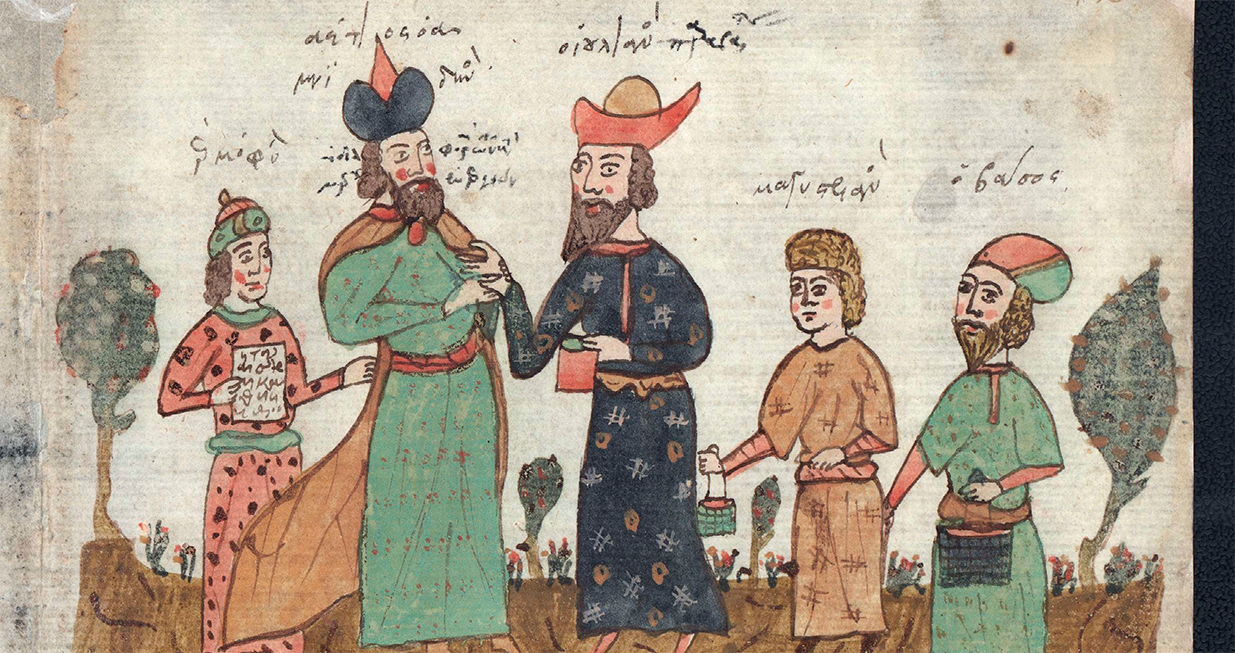
MS3632_02632.png

Sources for the Pneumatist School of Medicine

Humboldt-Universität zu Berlin
April 10, 2019 by Sean Coughlin in Ancient Medicine

For the last few years, Orly Lewis and I have been working on a project on the Pneumatist school of medicine. ‘School’ translates hairesis—the word from which we get ‘heresy’ in English. The root meaning of hairesis is ‘choice.’ It later came to mean the group who chooses to follow the same teacher or leader, or, more abstractly, people who choose to follow the same set of philosophical or moral principles.

The Pneumatists are a hairesis, we are told, because its members chose to believe that pneuma is the cause of life, health and disease (instead of, or in addition to, other things like humours, blocked pores, etc.). It is generally thought to have been founded by Athenaeus of Attalia in the late first century BCE or early first century CE. What is interesting, however, is that only three sources name this school—Galen, the author of Introduction or the Doctor (Introductio seu Medicus), and John of Alexandria—and the earliest of these sources is from the mid- to late 2nd century. That leaves about 150 years where no one mentions the Pneumatist hairesis. Furthermore, apart from Athenaeus, the doctors whom Galen and the author of the Introduction associate with the Pneumatist hairesis are said either to belong to other schools or to have founded other schools by other (and sometimes earlier) sources. Soranus / Caelius Aurelianus associates Agathinus and Magnus with the Methodists, the author of the Medical Definitions says Agathinus founded a hairesis the some people called “episynthetic”, others “eclectic”, and the author of the Introduction in one place says Archigenes was “eclectic,” in another place a Pneumatist. How many schools can one person belong to? How exclusive are they? Is membership in a school an act of self-identification, or is it applied from outside? —it’s far from clear.

The semester is starting in Berlin, so here are some passages about haireseis which we’ve been collecting, passages which we think emphasize why it’s time for historians of science to come up with new ways of understanding self- and other-presentation among ancient professionals (good work has been done by Heinrich von Staden, Philip van der Eijk, David Leith, and others, but there’s more to do). Part one of three.


I. What school do you go to?

A. Galenus, De causis contentiuis 2.1 (CMG Suppl. Or. II, 134,3-4 Schöne; Lyons tr., modified)

Athineum igitur Attaleum, quit spiritualem nominatam heresim in medicatiua primo cepit [...]

As for Athenaeus of Attalia, he founded the medical school known as that of the Pneumatists [...]

B. Anonymus Bambergensis, Codex Bambergensis L.iii.8 med. i (411 Sudhoff)

subsequente autem tempore facti sunt rationabiles potentes medici Diocles, Praxagoras, Herophilus, Erasistratus, Asclepiades, Athenaeus, Agathinus, Ariston, Archigenes, Herodotus, Philumenus, Antyllus.

Dicoles : Deoclex codd. | Praxagoras : Praxacoras codd. | Herophilus : Herophilos codd. | Athenaeus : Atheneus codd. | Agathinus : Agatheneus codd. | Philumenus : Philominus codd. | Antyllus : Antillus codd.

In the subsequent period, however, the Rationalist physicians became powerful: Diocles, Praxagoras, Herophilus, Erasistratus, Asclepiades, Athenaeus, Agathinus, Ariston, Archigenes, Herodotus, Philumenus, Antyllus.

C. Anonymus, Initia Medicinae (52 Firpo)

subsequenti autem tempore facti sunt rationabiles [et] potentes medici, idest Diocles, Praxagoras, Herophilus, Erasistratus, Asclepiades, Athenaeus, Agathinus, Ariston, Archigenes, Herodotus, Philumenus, Antyllus.

et] delevi | Herophilus : Erophilus codd. | Athenaeus : Atheneus codd. | Agathinus : Agathenus codd. | Philumenus : Philomenus codd. | Antyllus : Antillus codd.

In the subsequent period, however, the rationalist physicians became powerful, i.e., Diocles, Praxagoras, Herophilus, Erasistratus, Asclepiades, Athenaeus, Agathinus, Ariston, Archigenes, Herodotus, Philumenus, Antyllus.

D. Galenus, De differentia pulsuum 3.6 (VIII 673-674 Kühn)

τὸ γὰρ δὴ τρίτον τῶν σημαινομένων (sc. τοῦ κενοῦ) οὔτε Ἀρχιγένης οὔτε Ἀγαθῖνος οὔτε Μάγνος οὔτ' Ἀθήναιος οὔτε ἄλλος οὐδεὶς τῶν πνευματικῶν ἰατρῶν ἀληθὲς ὁμολογήσει.

The third meaning (sc. of 'empty'), neither Archigenes, Agathinus, Magnus, Athenaeus, nor any other of the Pneumatist doctors will agree to its truth.

E. [Galenus], Definitiones medicae 14 (IX 352-353K)

πόσον κατὰ ἰατρικῆς αἱρέσεις; ἰατρικῆς αἱρέσεις αἱ πρῶται δύο ἐμπειρικὴ καὶ λογικὴ καὶ τρίτη μεθοδική. δοκεῖ δὲ καὶ τετάρτην αἵρεσιν ἐξευρεῖν Ἀγαθῖνος ὁ Λακεδαιμόνιος, ἣν ὠνόμασεν ἐπισυνθετικὴν, ἔνιοι δὲ ἐκλεκτικήν, ἕτεροι τὴν ἑκτικήν.

How many schools of medicine are there? The main medical schools are two: the Empiricist and the Logical, and a third is the Methodist. Agathinus of Lacedaemon seems to have invented a fourth school, which is called episynthetic, but some call eclectic, others hectic.

F. [Galenus], Introductio seu Medicus 4 (XIV 684 K)

ἐγένοντο δέ τινες καὶ ἐπισυνθετικοὶ, ὡς Λεωνίδης ὁ Ἀλεξανδρεύς. καὶ ἐκλεκτοὶ, ὡς Ἀρχιγένης ὁ Ἀπαμεὺς τῆς Συρίας.

Some were also episynthetic, like Leonides of Alexandria, and some eclectic, like Archigenes of Apamea in Syria.

April 10, 2019 /Sean Coughlin
Pneumatist School, back to school
Ancient Medicine
Comment
Genèse de l'énergie by René Bord. 1995. Soft ground etching and aquatint. Image from Bibliothèque municipale de Lyon.

Genèse de l'énergie by René Bord. 1995. Soft ground etching and aquatint. Image from Bibliothèque municipale de Lyon.

Pseudo-Galen, what is nature?

Humboldt-Universität zu Berlin
April 08, 2019 by Sean Coughlin in Ancient Medicine, Philosophy

“Nature is an artistic fire proceeding on the way to generation and actively moving out of itself. According to Plato, it is defined differently: nature is divine art; or, nature is a sort of artistic power. A different definition: nature is inflamed pneuma moving out of itself, generating, completing and maintaining the human being in accordance with spermatic powers. Or it is defined in this way: nature is a power moving out of itself, a cause of generation, formation, and completion producing and completing a human being. Nature is said to be mixture, and nature is said to be state. Nature is also said to be a motion in accordance with effort. Nature is said to be the power controlling an animal. It can also be defined in this way: nature is the inflamed pneuma moving out of itself, generating, completing and maintaining a human being in accordance with spermatic principles determining lifetime and size.”

Φύσις ἐστὶ πῦρ τεχνικὸν ὁδῷ βαδίζον εἰς γένεσιν καὶ ἐξ ἑαυτοῦ ἐνεργητικῶς κινούμενον. ἑτέρως κατὰ Πλάτωνα. φύσις ἐστὶ θεία τέχνη. ἢ φύσις ἐστὶν οἵα τεχνικὴ δύναμις. ἑτέρως. φύσις ἐστὶ πνεῦμα ἔνθερμον ἐξ ἑαυτοῦ κινούμενον καὶ κατὰ τὰς σπερματικὰς δυνάμεις γεννῶν τε καὶ τελειοῦν καὶ διατηροῦν τὸν ἄνθρωπον. ἢ οὕτως. φύσις ἐστὶ δύναμις ἐξ ἑαυτῆς κινουμένη, αἰτία γενέσεώς τε καὶ διαπλάσεως καὶ τελειότητος γεννῶσά τε καὶ τελειοῦσα τὸν ἄνθρωπον. φύσις καὶ ἡ κρᾶσις λέγεται, φύσις καὶ ἡ ἕξις. φύσις καὶ ἡ καθ' ὁρμὴν κίνησις. φύσις καὶ ἡ διοικοῦσα τὸ ζῶον δύναμις λέγεται. δύναται δὲ καὶ οὕτως ὁρίσασθαι. φύσις ἐστὶ πνεῦμα ἔνθερμον ἐξ ἑαυτοῦ κινούμενον κατὰ σπερματικοὺς λόγους γεννῶν τε καὶ τελειοῦν καὶ διατηροῦν τὸν ἄνθρωπον ἐν χρόνοις καὶ μεγέθεσιν ὡρισμένους.

Ps.-Galen, Medical Definitions 95 (XIX 371 Kühn)

April 08, 2019 /Sean Coughlin
Pseudo-Galen, Definitions, nature, art
Ancient Medicine, Philosophy
Comment
Pseudo-Dioscorides, De herbis femininis in Cod. Par. Lat. 6862 (9th century).

Pseudo-Dioscorides, De herbis femininis in Cod. Par. Lat. 6862 (9th century).

Theophrastus, what is the best season for growing things?

Humboldt-Universität zu Berlin
April 06, 2019 by Sean Coughlin in Botany, Philosophy

“It’s no wonder that it’s spring — the season is very life-promoting and especially fertile, because it is wet and warm.”

τὸ μὲν οὖν ἔαρ οὐδὲ θαυμάζεται, ζωτικωτάτη γὰρ ἡ ὥρα καὶ μάλιστα γόνιμος, ὑγρά τις οὖσα καὶ θερμή.

Theophrastus, Causes of Plants, 1.13.4


“The climate needs to have a certain warmth and wetness, just like spring. Everyone agrees that spring is best for sprouting.”

δεῖ γὰρ δὴ τὴν ὥραν ὑγρότητά τινα καὶ θερμότητα ἔχειν ὥσπερ καὶ τὸ ἔαρ. αὕτη μὲν ὁμολογουμένη μάλιστα πρὸς βλάστησιν.

Theophrastus, Causes of Plants, 1.13.5

April 06, 2019 /Sean Coughlin
Theophrastus, spring, botany
Botany, Philosophy
Comment
From Edward Topsell’s 1607 The Historie of foure-footed beastes, London. (link is to 1658 printing)

From Edward Topsell’s 1607 The Historie of foure-footed beastes, London. (link is to 1658 printing)

Aristotle on Ctesias on the Manticore and Unicorn

Humboldt-Universität zu Berlin
April 03, 2019 by Sean Coughlin in Philosophy

Ctesias of Knidos was a Greek physician and writer of tales and legends from far-away lands. He is often compared negatively to Herodotus. Herodotus, it is said, wrote histories. Ctesias wrote something else entirely.

He lived sometime in the fifth and fourth centuries. Originally from Knidos, a Greek city in what is now south-western Turkey, he likely practiced medicine as an Asclepiad. At some point in the fifth century he was brought to the Persian Court as a physician, although the circumstances of his move are not clear. Some sources refer to him as physician at the court of Artaxerxes II, a prominent post. If these sources are right, it explains his familiarity with the Persian kingdom. In all, he likely stayed and travelled with the court for 17 years.

When he returned to Knidos at the beginning of the fourth century, he wrote a work called the Indica, the first Greek-language description of the lands, people, animals and plants east of Persia, almost a century before reports would come back from Alexander’s expedition. The book circulated widely. It contained fantastic tales about the strangeness of the lands to the east at the end of the earth—tales Ctesias’ audience would have desired because of how weird and terrifying they were, but whose reality they could (most of the time) safely ignore because of how remote they were. The bestiary he introduced to the Greek world and ultimately to ours includes not just the manticore and the unicorn, but also a bird that can speak in human tongues and a race of half-human, half-dog people called the Cynocephaloi.

I find it especially interesting that his stories are repeated by Aristotle. Aristotle’s History of Animals includes several animals he took from Ctesias’ writings, even though he says Ctesias is not not worth believing (οὐκ ἀξιόπιστος). There is a puzzle here. Aristotle calls Ctesias an untrustworthy source, but at the same time he includes his observations, often without comment and, even more puzzling, often without any indication they are not to be trusted.

The unicorn is one example. Ctesias is clearly Aristotle’s source for his discussion of the unicorn. We know this based on what Aristotle says about the unicorn’s knucklebones and because of the proximity of Aristotle’s unicorn discussion to one about the manticore, which Aristotle says he took from Ctesias. It looks like Aristotle was jotting down notes as he was reading Ctesias’ work.

It is curious, then, that Aristotle does not cite Ctesias as his source for the unicorn passage. Moreover, he gives no indication the report is questionable or not to be trusted. In fact, he doesn’t make it look like a report at all. So the question is: what does the fact that he includes accounts of animals from foreign lands based on the testimony of someone he does not trust mean for Aristotle’s way of collecting facts and doing science?

It’s a question that’s been raised a lot before, and one I think is always worth raising again. What is Aristotle’s attitude to his sources of information about the natural world beyond his experience? And why does he think some stories are worth believing and not others?


(Not-quite) Biogeography

“Animals differ according to place. In certain places, some animals do not exist at all; in some places, they do exist, but they are smaller, or shorter-lived, or they do not thrive. And sometimes a difference like this occurs in neighbouring places, for example, in areas of Miletus that neighbour each other, in one place cicadas exist, in another they do not. There is a river that runs through Cephalenia, where on one side cicadas exist, but on the other they do not. In Boeotia, many moles live around the Orchomenos, but in neighbouring Lebadiake, there aren’t any; even if someone introduces them, they do not wish to make their burrows there. In Ithaca, hares (if someone releases them after introducing them) are not able to live, but are observed dead, turned towards the sea where they had been brought in. In Sicily, there are no horse-ants, while in Cyrene, croaking frogs did not exist before. In all of Libya, there are no wild pigs, no deer, no wild goats. And in India, as Ctesias — who isn’t worth believing — says, there are neither wild nor tame pigs, but massive bloodless [animals] all covered in scales.”

Διαφέρει δὲ τὰ ζῷα καὶ κατὰ τοὺς τόπους· ὥσπερ γὰρ ἔν τισιν ἔνια οὐ γίνεται παντάπασιν, οὕτως ἐν ἐνίοις τόποις γίνεται μὲν ἐλάττω δὲ καὶ ὀλιγοβιώτερα, καὶ οὐκ εὐημερεῖ. Καὶ ἐνίοτε ἐν τοῖς πάρεγγυς τόποις ἡ διαφορὰ γίνεται τῶν τοιούτων, οἷον τῆς Μιλησίας ἐν τόποις γειτνιῶσιν ἀλλήλοις ἔνθα μὲν γίνονται τέττιγες ἔνθα δ' οὐ γίνονται, καὶ ἐν Κεφαληνίᾳ ποταμὸς διείργει, οὗ ἐπὶ τάδε μὲν γίνονται τέττιγες, ἐπ' ἐκεῖνα δ' οὐ γίνονται. Ἐν δὲ Πορδοσελήνῃ ὁδὸς διείργει, ἧς ἐπ' ἐκεῖνα μὲν γαλῆ γίνεται, ἐπὶ θάτερα δ' οὐ γίνεται. καὶ ἐν τῇ Βοιωτίᾳ ἀσπάλακες περὶ μὲν τὸν Ὀρχομενὸν πολλοὶ γίνονται, ἐν δὲ τῇ Λεβαδιακῇ γειτνιώσῃ οὐκ εἰσίν, οὐδ' ἄν τις κομίσῃ, ἐθέλουσιν ὀρύττειν. Ἐν Ἰθάκῃ δ' οἱ δασύποδες, ἐάν τις ἀφῇ κομίσας, οὐ δύνανται ζῆν, ἀλλὰ φαίνονται τεθνεῶτες πρὸς τῇ θαλάττῃ ἐστραμμένοι, ᾗπερ ἂν εἰσαχθῶσιν. Καὶ ἐν μὲν Σικελίᾳ ἱππομύρμηκες οὐκ εἰσίν, ἐν δὲ Κυρήνῃ οἱ φωνοῦντες βάτραχοι πρότερον οὐκ ἦσαν. Ἐν δὲ Λιβύῃ πάσῃ οὔτε σῦς ἄγριός ἐστιν οὔτ' ἔλαφος οὔτ' αἲξ ἄγριος· ἐν δὲ τῇ Ἰνδικῇ, ὡς φησὶ Κτησίας οὐκ ὢν ἀξιόπιστος, οὔτ' ἄγριος οὔτε ἥμερος ὗς, τὰ δ' ἄναιμα καὶ τὰ φολιδωτὰ πάντα μεγάλα.

Aristotle, History of Animals 8.28, 605b22-606a10

 
At the Bodleian in Oxford. MS. Bodley 764, Folio 25r 13th century. This post is an excuse to put up pictures from this manuscript.

At the Bodleian in Oxford. MS. Bodley 764, Folio 25r 13th century. This post is an excuse to put up pictures from this manuscript.

Aristotle on Ctesias on the Martichora, or the Manticore

“There is such a thing, if we must trust Ctesias. He says that the beast among the Indians, whose name is ‘martichora,’ has triple-rows of teeth on both sides. In size, he says it is as big as a lion, equally hairy, and having smaller feet. Its face and ears are human-like, its eyes shining blue, its colour like cinnabar. Its tail is similar to that of a land-scorpion, and in it, it has a stinger and it can shoot the spines like arrows. Its cry is like the sound of a shepherd’s-pipe and a war-trumpet at the same time, and it runs as quickly as a deer. It is savage and a man-eater.”

Ἔστι δέ τι, εἰ δεῖ πιστεῦσαι Κτησίᾳ· ἐκεῖνος γὰρ τὸ ἐν Ἰνδοῖς θηρίον, ᾧ ὄνομα εἶναι μαρτιχόραν, τοῦτ' ἔχειν ἐπ' ἀμφότερά φησι τριστοίχους τοὺς ὀδόντας· εἶναι δὲ μέγεθος μὲν ἡλίκον λέοντα καὶ δασὺ ὁμοίως, καὶ πόδας ἔχειν ὁμοίους, πρόσωπον δὲ καὶ ὦτα ἀνθρωποειδές, τὸ δ' ὄμμα γλαυκόν, τὸ δὲ χρῶμα κινναβάρινον, τὴν δὲ κέρκον ὁμοίαν τῇ τοῦ σκορπίου τοῦ χερσαίου, ἐν ᾗ κέντρον ἔχειν καὶ τὰς ἀποφυάδας ἀπακοντίζειν, φθέγγεσθαι δ' ὅμοιον φωνῇ ἅμα σύριγγος καὶ σάλπιγγος, ταχὺ δὲ θεῖν οὐχ ἧττον τῶν ἐλάφων, καὶ εἶναι ἄγριον καὶ ἀνθρωποφάγον.

Aristotle, History of Animals 2.1, 501a24-b1

 
At the Bodleian in Oxford. MS. Bodley 764, Folio 22r

At the Bodleian in Oxford. MS. Bodley 764, Folio 22r

Aristotle on the Indian Donkey, or the Unicorn

“Some animals have horns, others do not. The majority of those that have horns are naturally cloven-hooved, like the ox, the stag and the goat. We have not observed any single-hooved, two-horned animals. But there are a few animals that are single-horned and single-hooved, like the Indian donkey. The oryx is single-horned and double-hooved. And the Indian donkey is the only single-hooved animal that has a knucklebone.”*

Ἔστι δὲ καὶ τὰ μὲν κερατοφόρα τῶν ζῴων τὰ δ’ ἄκερα. Τὰ μὲν οὖν πλεῖστα τῶν ἐχόντων κέρατα διχαλὰ κατὰ φύσιν ἐστίν, οἷον βοῦς καὶ ἔλαφος καὶ αἴξ· μώνυχον δὲ καὶ δίκερων οὐθὲν ἡμῖν ὦπται. Μονοκέρατα δὲ καὶ μώνυχα ὀλίγα, οἷον ὁ Ἰνδικὸς ὄνος. Μονόκερων δὲ καὶ διχαλὸν ὄρυξ. Καὶ ἀστράγαλον δ’ ὁ Ἰνδικὸς ὄνος ἔχει τῶν μωνύχων μόνον.

Aristotle, History of Animals 2.1, 499b15-20


*Aristotle does not name his source, but Aelian attributes the same claim to Ctesias and I bet Aristotle is getting it from him.

Aelian on the Indian Donkey, or Unicorn

“I have heard that in India there are wild donkeys as big as horses. The rest of their body is white, but the head is very nearly purple and their eyes exude a deep blue colour. They have a horn on their forehead almost a meter long and the lower part of the horn is white, the upper part a deep, dark red, and the middle a dreadful black.

I hear the Indians drink from these colourful-patterned horns — not all of them, but the mightiest of the Indians — and on sections of them they inlay gold as if adorning the arms of a beautiful statue with bracelets. They say the one who has tasted from this horn becomes ignorant and unburdened of incurable diseases. He is not seized by convulsion or what is called the sacred disease nor destroyed by poisons. Even if he had drunk something harmful earlier, he vomits this up and he becomes healthy.

It is believed that the other donkeys across the whole world, both tame and savage, and the other single-hoofed beasts, do not have knucklebones and do not have bile in the liver. But Ctesias says the horned Indian donkey has knucklebones and is not without bile. The knucklebones are said to be black, and if someone grinds them up, they are even like this inside.

They are swifter not only than donkeys, but even horses and deer. They start with a slow pace, but bit by bit they get faster, and to pursue them is, to put it poetically, to chase the uncatchable. When the female gives birth and leads the newborns around, the fathers, who heard with them, also guard the offspring. The donkeys spend their time in most desolate of the plains of India. When the Indian people go on a hunt for them, the [parents] let the tender and still young [offspring] graze behind them, while they fight for them, and go meet the enemy horsemen and strike with their horns. Their horns are so strong. Nothing can withstand a strike from them; instead, they give way and are broken in two, and sometimes they’re shattered and made useless. In the past, they have hit the horses’ ribs, even tearing them open and spilling their vital organs. That is why the horsemen dread getting close to them – the penalty for getting to close is a most pitiable death, and both they and the horses are destroyed. They are able to kick terribly as well. And their bite goes down so deep, that everything they get hold of is ripped off. When full grown, one cannot catch them alive; instead, they are shot with javelins and arrows, and when the Indians have stripped their horn from the corpse, they handle them in the way I mentioned. The meat from the Indian donkey is inedible; the reason: it is naturally very bitter.”

Ὄνους ἀγρίους οὐκ ἐλάττους ἵππων τὰ μεγέθη ἐν Ἰνδοῖς γίνεσθαι πέπυσμαι. καὶ λευκοὺς μὲν τὸ ἄλλο εἶναι σῶμα, τήν γε μὴν κεφαλὴν ἔχειν πορφύρᾳ παραπλησίαν, τοὺς δὲ ὀφθαλμοὺς ἀποστέλλειν κυανοῦ χρόαν. κέρας δὲ ἔχειν ἐπὶ τῷ μετώπῳ ὅσον πήχεως τὸ μέγεθος καὶ ἡμίσεος προσέτι, καὶ τὸ μὲν κάτω μέρος τοῦ κέρατος εἶναι λευκόν, τὸ δὲ ἄνω φοινικοῦν, τό γε μὴν μέσον μέλαν δεινῶς.

ἐκ δὴ τῶνδε τῶν ποικίλων κεράτων πίνειν Ἰνδοὺς ἀκούω, καὶ ταῦτα οὐ πάντας, ἀλλὰ τοὺς τῶν Ἰνδῶν κρατίστους, ἐκ διαστημάτων αὐτοῖς χρυσὸν περιχέαντας, οἱονεὶ ψελίοις τισὶ κοσμήσαντας βραχίονα ὡραῖον ἀγάλματος. καί φασι νόσων ἀφύκτων ἀμαθῆ καὶ ἄπειρον γίνεσθαι τὸν ἀπογευσάμενον ἐκ τοῦδε τοῦ κέρατος· μήτε γὰρ σπασμῷ ληφθῆναι ἂν αὐτὸν μήτε τῇ καλουμένῃ ἱερᾷ νόσῳ, μήτε μὴν διαφθαρῆναι φαρμάκοις. ἐὰν δέ τι καὶ πρότερον ᾖ πεπωκὼς κακόν, ἀνεμεῖν τοῦτο, καὶ ὑγιᾶ γίνεσθαι αὐτόν.

πεπίστευται δὲ τοὺς ἄλλους τοὺς ἀνὰ πᾶσαν τὴν γῆν ὄνους καὶ ἡμέρους καὶ ἀγρίους καὶ τὰ ἄλλα μώνυχα θηρία ἀστραγάλους οὐκ ἔχειν, οὐδὲ μὴν ἐπὶ τῷ ἥπατι χολήν, ὄνους δὲ τοὺς Ἰνδοὺς λέγει Κτησίας τοὺς ἔχοντας τὸ κέρας ἀστραγάλους φορεῖν, καὶ ἀχόλους μὴ εἶναι· λέγονται δὲ οἱ ἀστράγαλοι μέλανες εἶναι, καὶ εἴ τις αὐτοὺς συντρίψειεν, εἶναι τοιοῦτοι καὶ τὰ ἔνδον.

εἰσὶ δὲ καὶ ὤκιστοι οἵδε οὐ μόνον τῶν ὄνων, ἀλλὰ καὶ ἵππων καὶ ἐλάφων: καὶ ὑπάρχονται μὲν ἡσυχῆ τοῦ δρόμου, κατὰ μικρὰ δὲ ἐπιρρώννυνται, καὶ διώκειν ἐκείνους τοῦτο δὴ τὸ ποιητικὸν μεταθεῖν τὰ ἀκίχητά ἐστιν. ὅταν γε μὴν ὁ θῆλυς τέκῃ, καὶ περιάγηται τὰ ἀρτιγενῆ, σύννομοι αὐτοῖς οἱ πατέρες αὐτῶν φυλάττουσι τὰ βρέφη. διατριβαὶ δὲ τοῖς ὄνοις τῶν Ἰνδικῶν πεδίων τὰ ἐρημότατά ἐστιν. ἰόντων δὲ τῶν Ἰνδῶν ἐπὶ τὴν ἄγραν αὐτῶν, τὰ μὲν ἁπαλὰ καὶ ἔτι νεαρὰ ἑαυτῶν νέμεσθαι κατόπιν ἐῶσιν, αὐτοὶ δὲ ὑπερμαχοῦσι, καὶ ἴασι τοῖς ἱππεῦσιν ὁμόσε, καὶ τοῖς κέρασι παίουσι. τοσαύτη δὲ ἄρα ἡ ἰσχὺς ἡ τῶνδέ ἐστιν. οὐδὲν ἀντέχει αὐτοῖς παιόμενον, ἀλλὰ εἴκει καὶ διακόπτεται καὶ ἐὰν τύχῃ κατατέθλασται καὶ ἀχρεῖόν ἐστιν. ἤδη δὲ καὶ ἵππων πλευραῖς ἐμπεσόντες διέσχισαν καὶ τὰ σπλάγχνα ἐξέχεαν. ἔνθεν τοι καὶ ὀρρωδοῦσιν αὐτοῖς πλησιάζειν οἱ ἱππεῖς: τὸ γάρ τοι τίμημα τοῦ γενέσθαι πλησίον θάνατός ἐστιν οἴκτιστος αὐτοῖς, καὶ ἀπόλλυνται καὶ αὐτοὶ καὶ οἱ ἵπποι. δεινοὶ δέ εἰσι καὶ λακτίσαι. δήγματα δὲ ἄρα ἐς τοσοῦτον καθικνεῖται αὐτῶν, ὡς ἀποσπᾶν τὸ περιληφθὲν πᾶν. ζῶντα μὲν οὖν τέλειον οὐκ ἂν λάβοις, βάλλονται δὲ ἀκοντίοις καὶ οἰστοῖς, καὶ τὰ κέρατα ἐξ αὐτῶν Ἰνδοὶ νεκρῶν σκυλεύσαντες ὡς εἶπον περιέπουσιν. ὄνων δὲ Ἰνδῶν ἄβρωτόν ἐστι τὸ κρέας: τὸ δὲ αἴτιον, πέφυκεν εἶναι πικρότατον.

Aelian, On the Nature of Animals 4.52

April 03, 2019 /Sean Coughlin
Aristotle, Ctesias, biology, bestiary
Philosophy
Comment
Elizabeth Taylor having a bath in a movie.

Elizabeth Taylor having a bath in a movie.

How to market soap in antiquity

Humboldt-Universität zu Berlin
March 31, 2019 by Sean Coughlin in Ancient Medicine

We have quite a few ancient recipes for cosmetics attributed to Cleopatra. Maybe Cleopatra wrote them, or maybe they were marketing gimmicks by booksellers. Ancient marketplaces were not much different from today’s. (Here’s a nice book by Claire Holleran on street markets in Rome. More about these markets here.)

Then again, I guess in another way ancient marketplaces were different, because there didn’t seem to be as many safety regulations. Don’t prepare any of these things for use on the body. I can say from experience that it is not a good idea. I don’t endorse any of the claims made by the compilers, either that these are Cleopatra’s recipes (they almost certainly aren’t) or that they do what they say they do. They are not safe and these recipes are purely for historical interest.

(inspired by Laurence Totelin’s reconstruction of Metrodora’s deodorant at concoctinghistory.)

Cleopatra’s routine

Measures:

  • λίτρα = pound = 12 ounces = 327.5g

  • Γο = ounce = 8 drachme = 27.3g

  • ⋖ = drachme = 3.4g

1. Cleopatra’s Sweet Smelling Soap

Source: Aëtius of Amida, Medical Books, Book 8, Chapter 6 (408,18-21 Olivieri)

Ἄλλο σμῆγμα Κλεοπάτρας βασιλίσσης πολυτελὲς εὐῶδες. κόστου σμύρνης τρωγλίτιδος ἴρεως ναρδοστάχυος ἀμώμου φύλλου κασσίας σχοίνου ἄνθους ἀνὰ Γο α` μυροβαλάνου λίτρας δ` νίτρου ἀφροῦ λίτρας β` κόψας σήσας χρῶ· ποιεῖ εἰς ὅλον τὸ σῶμα.

English Translation

“Another soap, Queen Cleopatra’s, very expensive and fragrant.

  • One ounce each of:

    • Costus root

    • Troglodytic myrrh [sc. from Eastern Africa]

    • Iris

    • Spikenard

    • Nepal cardamom

    • Cassia leaves

    • Flowers of camel grass

  • 4 pounds of the perfume-nut

  • 2 pounds of foam of soda

Grind, sift and use. Works on the whole body.”*

*note: it doesn’t

2. Cleopatra’s Anti-Dandruff Shampoo

Source : Galen, Compound drugs according to place, Kühn XII 492

Καὶ τὰ τῇ Κλεοπάτρᾳ πρὸς ἀχῶρας γεγραμμένα ἐφεξῆς εἰρήσεται κατὰ τὴν ἐκείνης αὐτῆς λέξιν. πρὸς ἀχῶρας. τήλει λεπτῇ ἑφθῇ, μέλανος τεύτλου χυλῷ βεβρεγμένῃ, ἐκκλυζέσθω ἡ κεφαλὴ ἢ τεύτλου ἀφεψήματι ἢ γῇ κιμωλίᾳ βεβρεγμένῃ τούτοις ἐκκλυσαμένῃ, καταχριέσθω μυρσίνῃ λείᾳ μετ' οἰνελαίου, ἄνωθεν δὲ ἐπιτιθέσθω φύλλα τεύτλου.

English translation

“And in what follows I will quote in her very own words the things Cleopatra wrote against dandruff :

‘For Dandruff

  • Boiled fine fenugreek

  • Steeped juice of black beets

After washing with this preparation, the head is to be washed thoroughly either with a decoction of beets or wet cimolian earth. Wash it out using a paste made of myrtle with wine and oil, and place leaves of beet on top of the head.’”

3. Face Soap and Brightening Cream

Source: Aëtius of Amida, Medical Books, Book 8, Chapter 6 (407,15-21 Olivieri)

Σμήγματα προσώπου καὶ στιλβώματα. ἐπεὶ δὲ ἐν τῇ ἀφαιρέσει τῶν ἐπιχρίστων πειρῶνται τὴν ὄψιν σμήχειν, χρηστέον ταῖς ὑπογεγραμμέναις σκευασίαις. Σμῆγμα λαμπρυντικὸν προσώπου. λιβάνου ἀφρονίτρου κόμμεως ἀνὰ ⋖ δ` ἀμύγδαλα λελεπισμένα μ` σεμιδάλεως ⋖ κδ` κυαμίνου ἀλεύρου ⋖ ιβ` ἀναλάμβανε ὠοῦ τῷ λευκῷ καὶ ἀνάπλασσε τροχίσκους καὶ χρῶ δι' ὕδατος ἀνιὼν ἐν βαλανείῳ καὶ χωρὶς βαλανείου.

English translation

“Facial soap and brightener. When you are removing makeup and trying to clean the face, use this preparation:

‘Soap for brightening the face

  • Four drachme each of:

    • Frankincense

    • Foam of soda

    • Gum arabic

  • 40 Peeled almonds

  • Wheat flour, 24 drachme

  • Bean flour, 12 drachme

Mix up with egg white and form into small balls.

Use with water when going in the bath or out of the bath.”*

*note: absolutely don’t

March 31, 2019 /Sean Coughlin
Cleopatra, Egypt, cosmetics, pharmacology, aromatherapy
Ancient Medicine
Comment
“Sobriety and Gluttony”, from the British Library ms. add. 54180, f. 188v:

“Sobriety and Gluttony”, from the British Library ms. add. 54180, f. 188v:

Plato on Providential Ecology

Humboldt-Universität zu Berlin
March 27, 2019 by Sean Coughlin in Philosophy

Disobedient Stomachs

“What comes next needs to be pursued along the same lines, and that is: how has the rest of our body come to be? It would be more fitting than anything else if it had been composed following a rationale like the following: those who were putting our kind together were aware of the intemperance for food and drink that would exist within us, and that we would want much more than what is moderate or necessary because of our gluttony. Therefore, to prevent wasting away swiftly through disease and the immediate and complete coming to an end of the incomplete race of mortals, the gods, foreseeing these problems, set up a receptacle, called the “lower belly,” to serve as a container for surplus food and drink; and they coiled the entrails around as they made them, in order to prevent food from passing through too quickly, a situation which would quickly compel the body to need even more food and produce insatiable desire, a gastric-gluttony on account of which the whole race would be rendered unphilosophical, uncultured and disobedient to what is most divine in us.”

τὸ δ᾽ ἑξῆς δὴ τούτοισιν κατὰ ταὐτὰ μεταδιωκτέον: ἦν δὲ τὸ τοῦ σώματος ἐπίλοιπον ᾗ γέγονεν. ἐκ δὴ λογισμοῦ τοιοῦδε συνίστασθαι μάλιστ᾽ ἂν αὐτὸ πάντων πρέποι. τὴν ἐσομένην ἐν ἡμῖν ποτῶν καὶ ἐδεστῶν ἀκολασίαν ᾔδεσαν οἱ συντιθέντες ἡμῶν τὸ γένος, καὶ ὅτι τοῦ μετρίου καὶ ἀναγκαίου διὰ μαργότητα πολλῷ χρησοίμεθα πλέονι: ἵν᾽ οὖν μὴ φθορὰ διὰ νόσους ὀξεῖα γίγνοιτο καὶ ἀτελὲς τὸ γένος εὐθὺς τὸ θνητὸν τελευτῷ, ταῦτα προορώμενοι τῇ τοῦ περιγενησομένου πώματος ἐδέσματός τε ἕξει τὴν ὀνομαζομένην κάτω κοιλίαν ὑποδοχὴν ἔθεσαν, εἵλιξάν τε πέριξ τὴν τῶν ἐντέρων γένεσιν, ὅπως μὴ ταχὺ διεκπερῶσα ἡ τροφὴ ταχὺ πάλιν τροφῆς ἑτέρας δεῖσθαι τὸ σῶμα ἀναγκάζοι, καὶ παρέχουσα ἀπληστίαν, διὰ γαστριμαργίαν ἀφιλόσοφον καὶ ἄμουσον πᾶν ἀποτελοῖ τὸ γένος, ἀνυπήκοον τοῦ θειοτάτου τῶν παρ᾽ ἡμῖν.

Plato, Timaeus 72E-73A

March 27, 2019 /Sean Coughlin
Plato, Timaeus, providential ecology
Philosophy
Comment
From a book of portraits of Aristotle at the BNF. Available here.

From a book of portraits of Aristotle at the BNF. Available here.

‘I wasn’t paying attention’ - Things Aristotle said, part II

Humboldt-Universität zu Berlin
March 25, 2019 by Sean Coughlin in Philosophy

Aristotle’s apophthegmata in Diogenes Laertius. Continued from last time.

“When asked what the upshot of philosophy was, he said, ‘the fact that I do without orders what others do because of a fear of the law.’

When asked how students might make progress, he said, ‘when the people urging on the ones who are ahead do not wait for the ones who are behind.’

To the talkative person who’d inundated him with a long story and then asked, ‘has my babbling annoyed you?,’ he said, ‘oh god no, I wasn’t paying attention.’

To the person who accused him of doing a favour for a no-good man – for it is also told in this way – he said, ‘I didn’t do it for a man, but humanity’.

When asked how we should treat our friends, he said, ‘the way we wish they would treat us.’

He said justice is a virtue of soul distributive of something according to worth.

He used to say, ‘the best provision for old age is education.’

In the second book of his Memoirs, Favorinus says that he used to say all over the place, ‘for the one who has friends, there is no friend;’ it’s also in the seventh book of the Ethics.*

These, then, [are the sayings that] have been attributed to him.”

[20 cont.] ἐρωτηθεὶς τί ποτ' αὐτῷ περιγέγονεν ἐκ φιλοσοφίας, ἔφη, “τὸ ἀνεπιτάκτως ποιεῖν ἅ τινες διὰ τὸν ἀπὸ τῶν νόμων φόβον ποιοῦσιν.” ἐρωτηθεὶς πῶς ἂν προκόπτοιεν οἱ μαθηταί, ἔφη, “ἐὰν τοὺς προέχοντας διώκοντες τοὺς ὑστεροῦντας μὴ ἀναμένωσι.” πρὸς τὸν εἰπόντα ἀδολέσχην, ἐπειδὴ αὐτοῦ πολλὰ κατήντλησε, “μήτι σου κατεφλυάρησα;” “μὰ Δί',” εἶπεν· “οὐ γάρ σοι προσεῖχον.”

[21] πρὸς τὸν αἰτιασάμενον ὡς εἴη μὴ ἀγαθῷ ἔρανον δεδωκώς – φέρεται γὰρ καὶ οὕτως – ”οὐ τῷ ἀνθρώπῳ,” φησίν, “ἔδωκα, ἀλλὰ τῷ ἀνθρωπίνῳ.” ἐρωτηθεὶς πῶς ἂν τοῖς φίλοις προσφεροίμεθα, ἔφη, “ὡς ἂν εὐξαίμεθα αὐτοὺς ἡμῖν προσφέρεσθαι.” τὴν δικαιοσύνην ἔφη ἀρετὴν ψυχῆς διανεμητικὴν τοῦ κατ' ἀξίαν. κάλλιστον ἐφόδιον τῷ γήρᾳ τὴν παιδείαν ἔλεγε. φησὶ δὲ Φαβωρῖνος ἐν τῷ δευτέρῳ τῶν Ἀπομνημονευμάτων ὡς ἑκάστοτε λέγοι, “ᾧ φίλοι οὐδεὶς φίλος”· ἀλλὰ καὶ ἐν τῷ ἑβδόμῳ τῶν Ἠθικῶν ἐστι. καὶ ταῦτα μὲν εἰς αὐτὸν ἀναφέρεται.

Diogenes Laertius, Lives of the Eminent Philosophers, 5.20-21

*Looks like he means the work we call the Eudemian Ethics. Aristotle does not quite say what is reported in the text of Diogenes (he says ‘many friends’ instead of just ‘friends’), and he doesn’t say it ‘all over the place;’ also, it seems Aristotle, too, was quoting an apophthegm when he wrote it. Here’s the passage (it’s quite beautiful):

“We say we seek and pray for many friends, and at the same time that ‘there is no friend for the one who has many friends.’ Both are right. It is within the realm of possibilities for many people to live together in community and share in each other’s experience. This would be the most choiceworthy thing of all; but it is also the most difficult, and for this reason, it is necessary that the activity of sharing our experiences be kept among only a few people. And so not only is it difficult to make many friends (since you need to get to know one other), but also to enjoy the friends one has.”

καὶ τὸ ζητεῖν ἡμῖν καὶ εὔχεσθαι πολλοὺς φίλους, ἅμα δὲ λέγειν ὡς οὐθεὶς φίλος ᾧ πολλοὶ φίλοι, ἄμφω λέγεται ὀρθῶς. ἐνδεχομένου γὰρ πολλοῖς συζῆν ἅμα καὶ συναισθάνεσθαι ὡς πλείστοις αἱρετώτατον: ἐπεὶ δὲ χαλεπώτατον, ἐν ἐλάττοσιν ἀνάγκη τὴν ἐνέργειαν τῆς συναισθήσεως εἶναι, ὥστ᾽ οὐ μόνον χαλεπὸν τὸ πολλοὺς κτήσασθαι (πείρας γὰρ δεῖ), ἀλλὰ καὶ οὖσι χρήσασθαι.

Eudemian Ethics 7, 1245b20-25

Earlier in the Eudemian Ethics 7, 1238a9-10, Aristotle says something a bit different. Like the previous passage, he says it’s hard to have lots of friends because it takes time to really cultivate a friendship; but he also adds that he thinks it’s just not possible to feel affection for more than one person at a time. This is a strong claim. In Nicomachean Ethics 8.6, 1158a10-11, it’s even stronger. He says humans by nature can’t love more than one person at a time. Does he really think this? Given the quotation above it’s hard to see how—maybe he’s not too committed to it, maybe I’m missing something.

The Nicomachean Ethics also gives a bit more context to the claim about the time it takes to make a friend:

πολλοὺς δ' ἅμα τῷ αὐτῷ ἀρέσκειν σφόδρα οὐ ῥᾴδιον, ἴσως δ' οὐδ' ἀγαθοὺς εἶναι. δεῖ δὲ καὶ ἐμπειρίαν λαβεῖν καὶ ἐν συνηθείᾳ γενέσθαι, ὃ παγχάλεπον.

Aristotle, Nicomachean Ethics 8.6, 1158a13-15

There is a difference of opinion among translators about the passage. It’s been moved in opposite directions:

1. “It is not easy for many people to please the same person a great deal at the same time, nor, perhaps, that they be good people.” (Ross takes it this way)

2. “It is not easy for the same person to please many people a great deal at the same time, and perhaps there are not many good people.” (Crisp in the Cambridge translation takes it this way)

The first says something like, “it’s hard to really enjoy lots of people at the same time,” and while I sort of see what this might mean, I admit I don’t totally get it. One thing Ross might be thinking is that Aristotle is making a logical point. It’s like he’s saying, ‘if any one of those people were actually pleasing, there wouldn’t need to be so many of them.’

Or maybe he’s thinking we only have so much attention we can give to everything going on in our lives. If there are too many things going on, at some point we have no more attention to give, so if lots of people are trying to please the same person at the same time, that person won’t be able to be exceptionally pleased by any one of them. And if, to become a true friend, you need to be exceptionally pleasing, then it would be hard for any of those people to become friends (as in the ‘no friend for the one with friends’ saying).

The second says something like, “it’s hard to be all things to all people,” especially since (as he goes on to say), “one needs to become deeply acquainted and develop intimacy” to be a friend, “and this is very difficult.” This puts the emphasis on the fact that, again, time and attention are finite, and the more we divide them, the less we have for any one person.

The reason people take the passage in two ways is in part grammatical. The clause is in indirect speech and the verb ἀρέσκειν can take both a dative and an accusative (i.e., one can be pleasing to X (dative) or simply please X (accusative)). Our sentence has nouns in both cases (πολλούς, as a substantive, ‘many people’; τῷ αὐτῷ, ‘the same person’). So either πολλούς is the subject of ἀρέσκειν and τῷ αὐτῷ is a personal dative (‘that many people are pleasing to the same person is not easy’); or, πολλούς is the object of ἀρέσκειν and τῷ αὐτῷ goes with οὐ ῥᾴδιον (‘it is not easy for the same person to please many people...’).

Passages like this can expose a translator’s intuitions about things seemingly familiar.

March 25, 2019 /Sean Coughlin
Aristotle, Diogenes Laertius, sayings, friendship, apophthegmata
Philosophy
Comment
The Capitoline Venus, sometime last September.

The Capitoline Venus, sometime last September.

Aphrodite Kallipygos

Humboldt-Universität zu Berlin
March 23, 2019 by Sean Coughlin in Ancient Medicine

“Back then, people were such libertines that they even dedicated a temple to Aphrodite Kallipygos.* Here’s why:

A man from the country had two beautiful daughters, and one day, when they were feeling competitive with each other, they went out to the highway to see which of them had a nicer butt. When a young man who had an elderly father happened to pass by, the two each put on a show for him, and he, having watched, picked the older one’s as nicer. But he also fell in love with her and once he returned to the city, he became bedridden and told his younger brother what had happened. The next thing you know, his brother went to the country, too, and when he saw the girls, he fell in love with the other one. Well, their father pleaded with them to choose more respectable spouses, but since he could not convince them, he brought the girls from the country to brothers, where they persuaded their father to accept them, and he married them to his sons. And so they were called ‘kallipygoi’ by the people of the city, as Kerkidas of Megalopolis says in the Iambics:

‘There was a pair of nice butts among the women of Syracuse.’

And since the sisters had gotten hold of some wealth, they dedicated a temple to Aphrodite, calling the goddess ‘Kallipygos,’ as Arkhelaos also mentions in his Iambics.”

*καλλίπυγος / kallipygos / callipyge (latin) : combination of kalli (nice) and pygē (butt). Somewhere, I heard Sufjan Stevens mention the word, and I wanted to track down the story.

οὕτω δ' ἐξήρτηντο τῶν ἡδυπαθειῶν οἱ τότε ὡς καὶ Καλλιπύγου Ἀφροδίτης ἱερὸν ἱδρύσασθαι ἀπὸ τοιαύτης αἰτίας. ἀνδρὶ ἀγροίκῳ ἐγένοντο δύο καλαὶ θυγατέρες· αὗται φιλονικήσασαί ποτε πρὸς ἑαυτὰς προελθοῦσαι ἐπὶ τὴν λεωφόρον διεκρίνοντο ποτέρα εἴη καλλιπυγοτέρα. καί ποτε παρίοντος νεανίσκου πατέρα πρεσβύτην ἔχοντος ἐπέδειξαν ἑαυτὰς καὶ τούτῳ· καὶ ὃς θεασάμενος ἔκρινε τὴν πρεσβυτέραν· ἧς καὶ εἰς ἔρωτα ἐμπεσὼν ἐλθὼν εἰς ἄστυ κλινήρης γίνεται καὶ διηγεῖται τὰ γεγενημένα τῷ ἀδελφῷ ἑαυτοῦ ὄντι νεωτέρῳ. ὃ δὲ καὶ αὐτὸς ἐλθὼν εἰς τοὺς ἀγροὺς καὶ θεασάμενος τὰς παῖδας ἐρᾷ καὶ αὐτὸς τῆς ἑτέρας. ὁ δ' οὖν πατὴρ ἐπεὶ παρακαλῶν αὐτοὺς ἐνδοξοτέρους λαβεῖν γάμους οὐκ ἔπειθεν, ἄγεται ἐκ τοῦ ἀγροῦ τὰς παῖδας αὐτοῖς, πείσας ἐκείνων τὸν πατέρα, καὶ ζεύγνυσι τοῖς υἱοῖς. αὗται οὖν ὑπὸ τῶν πολιτῶν καλλίπυγοι ἐκαλοῦντο, ὡς καὶ ὁ Μεγαλοπολίτης Κερκιδᾶς ἐν τοῖς Ἰάμβοις ἱστορεῖ λέγων·

ἦν καλλιπύγων ζεῦγος ἐν Συρακούσαις.

αὗται οὖν ἐπιλαβόμεναι οὐσίας λαμπρᾶς ἱδρύσαντο Ἀφροδίτης ἱερὸν καλέσασαι Καλλίπυγον τὴν θεόν, ὡς ἱστορεῖ καὶ Ἀρχέλαος ἐν τοῖς Ἰάμβοις.

Athenaeus, The Sophists’ Table (Deipnosophistae), 12.80 (p.223 Kaibel)


This epithet for Aphrodite shows up in Clement of Alexandria as well, where he tries to disparage the pagan gods as prudishly as only Clement of Alexandria can:

“Isn’t Baldheaded Zeus the one worshipped in Argos, while in Cyprus, it’s another one, Zeus the Avenger? Don’t the Argives sacrifice to Aphrodite who Does Obscene Things,* the Athenians to Aphrodite the Prostitute, and the Syracusans to Aphrodite of the Nice Butt—the one the poet Nicander called ‘of the Nice Bum’? I’ll not even mention Dionysus the Piglet-Tickler.* The Sicyonians revere this one, assigning Dionysus to the womanly part, worshipping the prince of hubris as the ephor of shame.”

Οὐχὶ μέντοι Ζεὺς φαλακρὸς ἐν Ἄργει, τιμωρὸς δὲ ἄλλος ἐν Κύπρῳ τετίμησθον; Οὐχὶ δὲ Ἀφροδίτῃ περιβασοῖ μὲν Ἀργεῖοι, ἑταίρᾳ δὲ Ἀθηναῖοι καὶ καλλιπύγῳ θύουσιν Συρακούσσιοι, ἣν Νίκανδρος ὁ ποιητὴς «καλλίγλουτόν» που κέκληκεν; Διόνυσον δὲ ἤδη σιωπῶ τὸν χοιροψάλαν· Σικυώνιοι τοῦτον προσκυνοῦσιν ἐπὶ τῶν γυναικείων τάξαντες τὸν Διόνυσον μορίων, ἔφορον αἴσχους τὸν ὕβρεως σεβάζοντες ἀρχηγόν.

Clement of Alexandria, Protrepticus 2.39.2-3


*The scholiast is helpful on some of the obscure terms:

Scholia In Clementem Alexandrinum

περιβασοῖ: doer of obscene things. These are epithets of Aphrodite.

29, 7 περιβασοῖ] ἀσχημοποιῷ· ἐπίθετα δὲ ταῦτα τῆς Ἀφροδίτης.

χοιροψάλαν: according to Polemon in his letter to Attalus, Dionysus Piglet-Tickler is worshipped in Sicyon of Boeotia. It is a variation on the tickler (i.e., ‘plucker’) of piglets. ‘Piglet’ means a woman’s genitals.

29, 10 χοιροψάλαν] χοιροψάλας Διόνυσος ἐν Σικυῶνι τιμᾶται τῆς Βοιωτίας, ὡς Πολέμων ἐν τῇ πρὸς Ἄτταλον ἐπιστολῇ. ἔστι δὲ μεταλαμβανόμενον ὁ τὸν χοῖρον ψάλλων, τοῦτ' ἔστι τίλλων· χοῖρος δὲ γυναικεῖον αἰδοῖον.


March 23, 2019 /Sean Coughlin
Athenaeus of Naucratis, Deipnosophistae, Syracuse, callipyge, love sickness, anatomy lessons
Ancient Medicine
Comment
Eclatement d'une étoile by René Bord. Image from the Bibliothèque municipale de Lyon.

Eclatement d'une étoile by René Bord. Image from the Bibliothèque municipale de Lyon.

Endings

Humboldt-Universität zu Berlin
March 21, 2019 by Sean Coughlin in Philosophy

“Zeus, god of the gods, who rules with force of law, was able to see these things clearly. When he realized that good people were reduced to struggling, he wanted to grant them justice so that they might take control of themselves and return to harmony. He assembled all the gods together into their most honoured home, which, set at the centre of the entire cosmos, looks down upon all who share in creation, and once he had assembled them, he said:”*

θεὸς δὲ ὁ θεῶν Ζεὺς ἐν νόμοις βασιλεύων, ἅτε δυνάμενος καθορᾶν τὰ τοιαῦτα, ἐννοήσας γένος ἐπιεικὲς ἀθλίως διατιθέμενον, δίκην αὐτοῖς ἐπιθεῖναι βουληθείς, ἵνα γένοιντο ἐμμελέστεροι σωφρονισθέντες, συνήγειρεν θεοὺς πάντας εἰς τὴν τιμιωτάτην αὐτῶν οἴκησιν, ἣ δὴ κατὰ μέσον παντὸς τοῦ κόσμου βεβηκυῖα καθορᾷ πάντα ὅσα γενέσεως μετείληφεν, καὶ συναγείρας εἶπεν:

Plato, Critias, 121B7-C5


Platon_(A)__btv1b8419248n_311.jpg

*To the right is the last column of the Critias, written on parchment in one of the oldest manuscripts of Plato we have, Parisinus gr. 187 f. 151r. This manuscript is at the Bibliothèque nationale de France, and it’s been been dated to around 850-875 CE.

The Critias ends mid-sentence. The Atlantans’ story is never resolved. Maybe Plato died before he finished it, maybe he couldn’t think of what Zeus was supposed to say. To mark this the copyist writes the εἶπεν (“he said”) with a colon in the centre of the last line—two dots bordering on universes of possibilities.


March 21, 2019 /Sean Coughlin
Plato, Critias, unfinished things
Philosophy
Comment
A different side of Aristotle. Image from Bibliothèque nationale de France. Public domain.

A different side of Aristotle. Image from Bibliothèque nationale de France. Public domain.

"Let him whip me when I'm not around" - Things Aristotle said, part I

Humboldt-Universität zu Berlin
March 20, 2019 by Sean Coughlin in Philosophy

Part I of the apophthegmata attributed to Aristotle by Diogenes Laertius.

“These very nice sayings are attributed to him:

When asked what profit is gained by those who tell lies, he said: ‘that whenever they speak the truth, they are not believed.’

Once, he was reproached because he gave charity to a lowly person, so he said, ‘I gave charity to a man, not a way of life.’

He always used to tell his friends and students, whenever and wherever he happened to be lecturing, that ‘as light comes to sight from the air, so it comes to the mind from mathematics.’*

Very often, referring to the Athenians, he said, ‘they discovered wheat and laws: they used the wheat, not so much the laws.’

He used to say, ‘the roots of education are bitter, but the fruit is sweet.’

When asked what gets old quickly, he said, ‘gratitude.’

When asked what is hope, he said, ‘a waking dream.’

When Diogenes offered him a dried fig, he knew if he didn’t take it, Diogenes would have some joke ready to go. So he took it and said, ‘Diogenes ruined the fig as well as the joke.’ Another time he offered them, he took them and, raising them up as if they were children, he said, ‘Great Diogenes!’

He said three things are required for education: nature, study, and practice.

When he heard that someone was saying bad things about him behind his back, he said, ‘let him whip me when I’m not around.’

He used to say beauty was a better recommendation than any letter. Some people say Diogenes defined it this way, but he said good looks are ‘a gift from god,’ Socrates, ‘a short-lived tyranny,’ Plato, ‘an advantage of nature,’ Theophrastus, ‘a silent deception,’ Theocritus, ‘a penalty made of ivory,’ Carneades, ‘a king without a body-guard.’

When asked how the educated differ from the uneducated, he said, ‘as much as the living from the dead.’

He used to say, ‘education is an adornment in good times and a refuge in bad ones;’ and that children’s teachers are more valuable than those who only gave them birth: for the one gives you a chance to live, the other to live well.

To someone who bragged that he was from a great city, he said, ‘one needn’t look into this, but rather, who is it who is worthy of a great heritage.’

When asked what a friend is, he said, ‘one soul dwelling in two bodies.’

He used to say, ‘there are two kinds of people: those who are as restrained as someone who will live forever, and those who are as excessive as someone who will die tomorrow.’

To the person who was curious why we spend so much time in the company of what is beautiful, he said, ‘that’s a blind man’s question.’”

*or perhaps, “studies”

[17] Ἀναφέρεται δ᾽ εἰς αὐτὸν καὶ ἀποφθέγματα κάλλιστα ταυτί. ἐρωτηθεὶς τί περιγίνεται κέρδος τοῖς ψευδομένοις, "ὅταν," ἔφη, "λέγωσιν ἀληθῆ, μὴ πιστεύεσθαι." ὀνειδιζόμενός ποτε ὅτι πονηρῷ ἀνθρώπῳ ἐλεημοσύνην ἔδωκεν, "οὐ τὸν τρόπον," εἶπεν, "ἀλλὰ τὸν ἄνθρωπον ἠλέησα." συνεχὲς εἰώθει λέγειν πρός τε τοὺς φίλους καὶ τοὺς φοιτῶντας αὐτῷ, ἔνθα ἂν καὶ ὅπου διατρίβων ἔτυχεν, ὡς ἡ μὲν ὅρασις ἀπὸ τοῦ περιέχοντος [ἀέρος] λαμβάνει τὸ φῶς, ἡ δὲ ψυχὴ ἀπὸ τῶν μαθημάτων. πολλάκις δὲ καὶ ἀποτεινόμενος τοὺς Ἀθηναίους ἔφασκεν εὑρηκέναι πυροὺς καὶ νόμους: ἀλλὰ πυροῖς μὲν χρῆσθαι, νόμοις δὲ μή.

[18] Τῆς παιδείας ἔφη τὰς μὲν ῥίζας εἶναι πικράς, τὸν δὲ καρπὸν γλυκύν. ἐρωτηθεὶς τί γηράσκει ταχύ, "χάρις," ἔφη. ἐρωτηθεὶς τί ἐστιν ἐλπίς, "ἐγρηγορότος," εἶπεν, "ἐνύπνιον." Διογένους ἰσχάδ᾽ αὐτῷ διδόντος νοήσας ὅτι, εἰ μὴ λάβοι, χρείαν εἴη μεμελετηκώς, λαβὼν ἔφη Διογένην μετὰ τῆς χρείας καὶ τὴν ἰσχάδα ἀπολωλεκέναι: πάλιν τε διδόντος λαβὼν καὶ μετεωρίσας ὡς τὰ παιδία εἰπών τε "μέγας Διογένης," ἀπέδωκεν αὐτῷ. τριῶν ἔφη δεῖν παιδείᾳ, φύσεως, μαθήσεως, ἀσκήσεως. ἀκούσας ὑπό τινος λοιδορεῖσθαι, "ἀπόντα με," ἔφη, "καὶ μαστιγούτω." τὸ κάλλος παντὸς ἔλεγεν ἐπιστολίου συστατικώτερον.

[19] οἱ δὲ οὕτω μὲν Διογένην φασὶν ὁρίσασθαι, αὐτὸν δὲ θεοῦ δῶρον εἰπεῖν εὐμορφίαν: Σωκράτην δὲ ὀλιγοχρόνιον τυραννίδα: Πλάτωνα προτέρημα φύσεως: Θεόφραστον σιωπῶσαν ἀπάτην: Θεόκριτον ἐλεφαντίνην ζημίαν: Καρνεάδην ἀδορυφόρητον βασιλείαν. ἐρωτηθεὶς τίνι διαφέρουσιν οἱ πεπαιδευμένοι τῶν ἀπαιδεύτων, "ὅσῳ," εἶπεν, "οἱ ζῶντες τῶν τεθνεώτων." τὴν παιδείαν ἔλεγεν ἐν μὲν ταῖς εὐτυχίαις εἶναι κόσμον, ἐν δὲ ταῖς ἀτυχίαις καταφυγήν. τῶν γονέων τοὺς παιδεύσαντας ἐντιμοτέρους εἶναι τῶν μόνον γεννησάντων: τοὺς μὲν γὰρ τὸ ζῆν, τοὺς δὲ τὸ καλῶς ζῆν παρασχέσθαι. πρὸς τὸν καυχώμενον ὡς ἀπὸ μεγάλης πόλεως εἴη, "οὐ τοῦτο," ἔφη, "δεῖ σκοπεῖν, ἀλλ᾽ ὅστις μεγάλης πατρίδος ἄξιός ἐστιν."

[20] ἐρωτηθεὶς τί ἐστι φίλος, ἔφη, "μία ψυχὴ δύο σώμασιν ἐνοικοῦσα." τῶν ἀνθρώπων ἔλεγε τοὺς μὲν οὕτω φείδεσθαι ὡς ἀεὶ ζησομένους, τοὺς δὲ οὕτως ἀναλίσκειν ὡς αὐτίκα τεθνηξομένους. πρὸς τὸν πυθόμενον διὰ τί τοῖς καλοῖς πολὺν χρόνον ὁμιλοῦμεν, "τυφλοῦ," ἔφη, "τὸ ἐρώτημα."

Diogenes Laertius, Lives of the Eminent Philosophers, 5.17-20

March 20, 2019 /Sean Coughlin
Aristotle, sayings, apophthegmata, Diogenes Laertius
Philosophy
Comment
  • Newer
  • Older
 

CATEGORIES

  • Ancient Medicine
  • Botany
  • Events
  • Philosophy

SEARCH


RECENT POSTS

Featured
Dec 13, 2025
Ancient Medicine
"Patroclus died as well" (How Not to Talk to Patients)
Dec 13, 2025
Ancient Medicine
Dec 13, 2025
Ancient Medicine
Sep 18, 2023
Ancient Medicine
Galen, Simple Drugs, Book 11, Preface (II)
Sep 18, 2023
Ancient Medicine
Sep 18, 2023
Ancient Medicine
Sep 11, 2023
Ancient Medicine
Galen, Simple Drugs, Book 11, Preface (I)
Sep 11, 2023
Ancient Medicine
Sep 11, 2023
Ancient Medicine
Sep 6, 2023
Philosophy
The first Socratic dialogues: Simon the Shoemaker
Sep 6, 2023
Philosophy
Sep 6, 2023
Philosophy
Sep 4, 2023
Ancient Medicine
Galen, Simple Drugs, Book 10, Preface
Sep 4, 2023
Ancient Medicine
Sep 4, 2023
Ancient Medicine