Ancient Medicine

  • Home
  • About
  • Contact
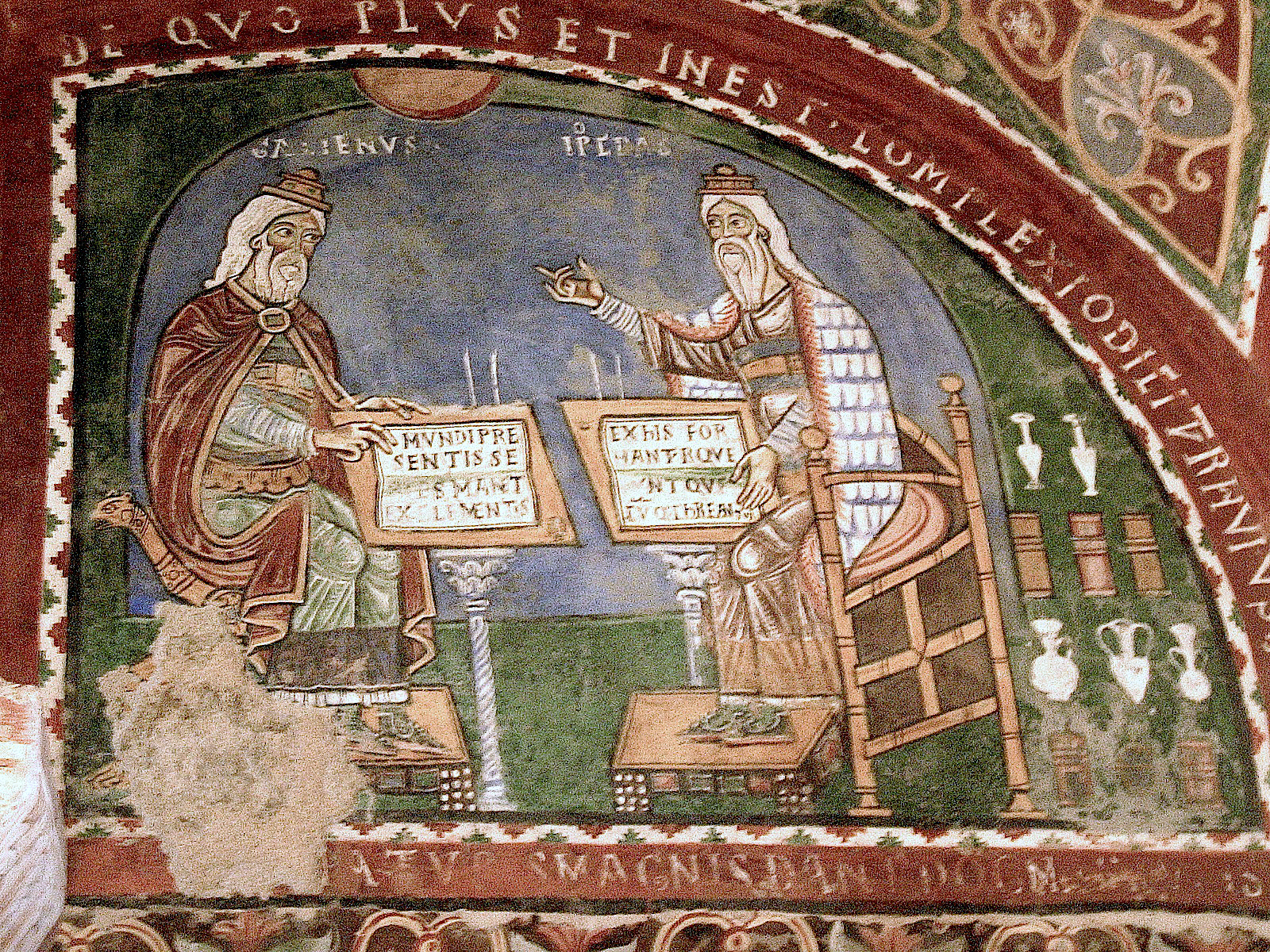
Checking notes. Fresco at the Museo archeologico nazionale di Napoli. Image by Olivierw via Wikimedia Commons.

Checking notes. Fresco at the Museo archeologico nazionale di Napoli. Image by Olivierw via Wikimedia Commons.

Dionysius of Aegea’s Diktyaka: a guide to the major physiological questions of late antique medicine

Humboldt-Universität zu Berlin
April 18, 2019 by Sean Coughlin in Ancient Medicine, Philosophy

Photius, Bibliotecha 211

“I read a work of Dionysius of Aegea. It is entitled Diktyaka (Lattice Works). It was a little book made up of one hundred chapters, of which some maintain some particular hypothesis (there were fifty of these), while the remaining fifty each took up a refutation against each of the things being maintained. It was all arranged so that the refutation was presented after [the initial hypothesis] and in a continuous series.

The style of the discussion hasn’t been embellished, and it didn’t display much charm, especially not as a performance piece. Rather, the work is aiming to be an exercise for the author, and he takes care that the style is plain and coordinated. The book is useful for those who are being trained in the practice of dialectic.

Ἀνεγνώσθη Διονυσίου Αἰγέως· Δικτυακῶν ἔφερε τὴν ἐπιγραφήν. Ἦν δὲ ἄρα τὸ βιβλιδάριον κεφαλαίοις ἀπαρτιζόμενον ρʹ, ὧν τὰ μὲν ἰδίαν ἑκάστην ὑπόθεσιν κατεσκεύαζε (νʹ δὲ ταῦτα ἦν) τὰ δὲ λοιπὰ νʹ ἀνασκευὴν ἕκαστον πρὸς ἑκάστην τῶν κατεσκευασμένων ἐσπούδαζεν, ἑκάστῃ παρασκευῇ ἀντιπαρατιθεμένης παρευθὺ καὶ κατὰ συνέχειαν τῆς ἀνασκευῆς. Ἡ μὲν ἑρμηνεία τοῦ λόγου οὔτε ἐξωράϊσται οὔτε ἔρριπται τοῦ κάλλους, ἄλλως τε καὶ ὅτι οὐδ' ἐπιδεικτικῶς ἀλλ' ἐς τὸ γυμνάσιον τῷ συγγραφεῖ τὸ σπούδασμα τείνει, καὶ ἰσχνότητος αὐτῷ καὶ τῶν συστοίχων μέλει. Χρήσιμον δὲ τὸ βιβλίον τοῖς τὴν διαλεκτικὴν τριβὴν ἀσκουμένοις.

“Here are the hypotheses mentioned:

Ἡ δὲ ὑπόθεσις λέγει ταῦτα

1. That the emission of semen and the production of offspring comes from both parents; and the contrary, that it does not come from both.

ὅτι ἐξ ἀμφοτέρων ἡ καταβολὴ τοῦ σπέρματος καὶ ζωογονία γίνεται, καὶ τοὐναντίον οὐκ ἐξ ἀμφοτέρων.

2. Second, that the secretion of semen comes from the whole body; and the contrary, that it comes from the testicles alone.

Δεύτερον, ὅτι ἀφ' ὅλου τοῦ σώματος ἡ τοῦ σπέρματος ἔκκρισις, καὶ τοὐναντίον ὅτι ἀπὸ μόνων τῶν διδύμων.

3. That concoction is produced by heat; and that this is not the case.

Γʹ ὅτι ἡ πέψις θερμασίᾳ γίγνεται καὶ ὅτι οὐχ οὕτως.

4. That concoction is produced by friction; and not by friction.

Δʹ ὅτι τρίψει ἡ πέψις γίνεται, καὶ ὅτι οὐ τρίψει.

5. That concoction is produced by decay; and not by decay.

Εʹ ὅτι σήψει ἡ πέψις, καὶ ὅτι οὐ σήψει.

6. That concoction is produced by a special property of the pneuma; and that this is not the case.

ϛʹ ὅτι τοῦ πνεύματος ἰδιότητι ἡ πέψις, καὶ ὅτι οὐχ οὕτως.

7. That concoction is produced by a special quality of humours; and that this is not the case.

Ζʹ ὅτι χυμῶν ἰδιότητι ἡ πέψις, καὶ ὅτι οὐχ οὕτως.

8. That concoction is produced by a special property of heat; and that this is not the case.

Ηʹ ὅτι θερμασίας ἰδιότητι ἡ πέψις, καὶ ὅτι οὐχ οὕτως.

9. That assimilation of food is produced by heat; and that this is not the case.

Θʹ ὅτι θερμασίᾳ ἡ ἀνάδοσις, καὶ ὅτι οὐχ οὕτως.

10. That assimilation of food is produced by drawing the heat to itself; and that this is not the case.

Ιʹ ὅτι ἡ ἀνάδοσις τῷ τὴν θερμασίαν ἐφ' ἑαυτὴν ἕλκειν, καὶ ὅτι οὐχ οὕτως.

11. That assimilation is produced by the pneuma; and that this is not the case.

Ιαʹ ὅτι τῷ πνεύματι ἡ ἀνάδοσις, καὶ ὅτι οὐχ οὕτως.

12. That assimilation is produced by juxtaposition of the arteries; and that this is not the case.

Ιβʹ ὅτι τῇ τῶν ἀρτηριῶν παραθέσει ἡ ἀνάδοσις, καὶ ὅτι οὐχ οὕτως.

13. That assimilation is produced by absence in the void; and that assimilation is not produced by absence of what is not evident.

Ιγʹ ὅτι τῇ κατὰ κενὸν ἀπουσίᾳ ἡ ἀνάδοσις, καὶ ὅτι οὐ κατὰ τὸ ἄδηλον ἀπουσίᾳ ἡ ἀνάδοσις.

14. That the formation of cataracts occur due to the atrophy of the optic pore ; and that this is not the case.

Ιδʹ ὅτι δι' ἀτροφίαν τοῦ ὁρατικοῦ πόρου ἡ ἀπογλαύκωσις συμβαίνει, καὶ ὅτι οὐχ οὕτως.

15. That the formation of cataracts is caused by the impact of blood on the optic pore; and that this is not the case.

Ιεʹ ὅτι παρ' ἔμπτωσιν αἵματος εἰς τὸν ὁρατικὸν πόρον ἡ ἀπογλαύκωσις, καὶ ὅτι οὐχ οὕτως.

16. That the formation of cataracts occurs due to the thickness of fluids and transpiration; and that this is not the case.

Ιϛʹ ὅτι καθ' ὑγρῶν πάχος καὶ διαπνοὴν ἡ ἀπογλαύκωσις, καὶ ὅτι οὐχ οὕτως.

17. That phrenitis is produced by obstruction of the meninges and deterioration of the blood; and that this is not the case.

Ιζʹ ὅτι ἡ φρενῖτις κατὰ διάτασιν τῆς μήνιγγος καὶ φθορὰν τοῦ αἵματος γίνεται, καὶ ὅτι οὐχ οὕτως.

18. That phrenitis occurs due to an abundance of heat; and that this is not the case.

Ιηʹ ὅτι κατὰ θερμασίας πλεονασμὸν ἡ φρενῖτις συμβαίνει, καὶ ὅτι οὐχ οὕτως.

19. That phrenitis occurs because of inflammation; and that this is not the case.

Ιθʹ ὅτι διὰ φλεγμονὴν ἡ φρενῖτις, καὶ ὅτι οὐχ οὕτως.

20. That lethargy is produced by inflammation; and that this is not the case.

Κʹ ὅτι ὁ λήθαργος διὰ φλεγμονὴν γίνεται, καὶ ὅτι οὐχ οὕτως.

21. That people become lethargic due to exertion and destruction; and that this is not the case.

Καʹ ὅτι κατὰ διάτασιν οἱ ληθαργικοὶ καὶ φθοράν, καὶ ὅτι οὐχ οὕτως.

22. That desire to drink and eat involves the whole body; and that it involves only the stomach.

Κβʹ ὅτι περὶ ὅλον τὸ σῶμα ἡ τοῦ πιεῖν καὶ φαγεῖν συνίσταται ὄρεξις, καὶ ὅτι περὶ μόνον τὸν στόμαχον.

23. That desire to eat and drink involves thought.

Κγʹ ὅτι ἡ τοῦ φαγεῖν καὶ πιεῖν ὄρεξις περὶ διάνοιαν.

24. That thirst is produced by a lack of fluids; and that this is not the case.

Κδʹ ὅτι καθ' ὑγρῶν ἔνδειαν τὸ δίψος, καὶ ὅτι οὐχ οὕτως.

25. That some double activity is observed about the stomach; or that this is not the case.

Κεʹ ὅτι περὶ τὸν στόμαχον διπλῆ τις ὁρᾶται ἐνέργεια, καὶ ὅτι οὐχ οὕτως.

26. That the principle of the nerves in the cavity is the internal membrane; and that this is not the case, but it is the external one.

Κϛʹ ὅτι ἡ ἐντὸς μῆνιγξ ἡ ἐν τῷ κοιλώματι ἀρχὴ τῶν νεύρων ἐστί, καὶ ὅτι οὐχ οὕτως ἀλλ' ἡ ἐκτός.

27. That drugs purify when they are distributed; and that this is not the case, but through the impact.

Κζʹ ὅτι ἀναδιδόμενα τὰ φάρμακα καθαίρει, καὶ ὅτι οὐχ οὕτως, ἀλλὰ κατὰ τὴν πρόσπτωσιν.

28. That one should not use purgatives; and that one should use them.

Κηʹ ὅτι οὐ χρηστέον τοῖς καθαρτικοῖς, καὶ ὅτι χρηστέον.

29. That one should use a dose of wine in cases of patient's with fever; and the contrary, that this is ill advised.

Κθʹ ὅτι οἴνου δόσει χρηστέον ἐπὶ τῶν πυρεσσόντων, καὶ τοὐναντίον ὅτι ἀσύμφορον.

30. That a bath is advantageous for those with fever; and that it is ill advised.

Λʹ ὅτι λουτρὸν τοῖς πυρέσσουσι λυσιτελεῖ, καὶ ὅτι ἀσύμφορον.

31. That one must wash when diseases intensify; and that this is not suitable.

Λαʹ ὅτι δεῖ ἐν ταῖς ἐπιτάσεσι τῶν νόσων κλύζειν, καὶ ὅτι οὐ προσῆκον.

32. That one must not use anointing at the beginning [of an illness]; and that this is useful.

Λβʹ ὅτι οὐ δεῖ κατ' ἀρχὰς ὑπαλείψει χρῆσθαι, καὶ ὅτι συμφέρον.

33. That one must apply a plaster to the head; and that one must not, but use only incense.

Λγʹ ὅτι δεῖ καταπλάττειν τὴν κεφαλήν, καὶ ὅτι οὐ δεῖ, τοῖς δ' ὀσφραντοῖς μόνον χρῆσθαι.

34. That emetics are ill advised; and that they are useful.

Λδʹ ὅτι ἐμετοποιία ἀσύμφορον, καὶ ὅτι συμφέρον.

35. That the heart does not send out blood; and that it does send it out.

Λεʹ ὅτι οὐκ ἐπιπέμπει ἡ καρδία αἷμα, καὶ ὅτι ἐπιπέμπει.

36. That the heart does not send out pneuma, but the arteries draw it in; and that the contrary is the case.

Λϛʹ ὅτι οὐχ ἡ καρδία τὸ πνεῦμα ἐπιπέμπει, ἀλλ' αἱ ἀρτηρίαι ἕλκουσι, καὶ ὅτι ἔμπαλιν.

37. That the heart moves itself; and that it does not move itself.

Λζʹ ὅτι ἐξ ἑαυτῆς ἡ καρδία κινεῖται, καὶ ὅτι οὐκ ἐξ ἑαυτῆς.

38. That the blood naturally exists in the arteries; and that the arteries are not vessels for blood.

Ληʹ ὅτι κατὰ φύσιν αἷμα ἐν ἀρτηρίαις ὑπάρχει, καὶ ὅτι οὐχ αἵματος αἱ ἀρτηρίαι ἀγγεῖον.

39. That all the vessels are simple in their bulk; and that they are woven.

Λθʹ ὅτι πάντα τὰ ἀγγεῖα ἐν τῷ ὄγκῳ ἁπλᾶ ἐστι, καὶ ὅτι πλέγματά ἐστι.

40. That an animal's ability to sense and move comes about through the nerves; and that this is not the case.

Μʹ ὅτι διὰ τῶν νεύρων ἡ αἴσθησις καὶ ἡ κίνησις τοῦ ζῴου, καὶ ὅτι οὐχ οὕτως.

41. That the heart is the principle of the veins; and that it is not the principle.

Μαʹ ὅτι ἀρχὴ φλεβῶν ἡ καρδία καὶ ὅτι οὐκ ἀρχή.

42. That the liver is the principle of the veins; and that it is not the principle.

Μβʹ ὅτι ἧπαρ ἀρχὴ φλεβῶν, καὶ ὅτι οὐκ ἀρχή.

43. That the ventricle / belly is the principle o the veins; and that it is not the principle.

Μγʹ ὅτι κοιλία φλεβῶν ἀρχή, καὶ ὅτι οὐκ ἀρχή.

44. That the membrane is the principle of all vessels; and that it is not the principle.

Μδʹ ὅτι πάντων τῶν ἀγγείων ἀρχὴ μῆνιγξ, καὶ ὅτι οὐκ ἀρχή.

45. That the lungs are the principle of the arteries; and that they are not the principle.

Μεʹ ὅτι πνεύμων ἀρτηριῶν ἀρχή, καὶ ὅτι οὐκ ἔστιν ἀρχή.

46. That the artery along the spine is the principle of the arteries; and that it is not the principle.

Μϛʹ ὅτι ἡ παρὰ τὴν ῥάχιν ἀρτηρία ἀρτηριῶν ἀρχή, καὶ ὅτι οὐκ ἀρχή.

47. That the heart is the principle of the arteries; and that it is not the principle.

Μζʹ ὅτι ἡ καρδία ἀρχὴ ἀρτηριῶν, καὶ ὅτι οὐκ ἀρχή.

48. That it is not the heart, but the membrane around the brain that is the principle of the nerves; and that it is not the principle.

Μηʹ ὅτι οὐχ ἡ καρδία ἀρχὴ νεύρων, ἀλλ' ἡ περιέχουσα τὸν ἐγκέφαλον μῆνιγξ, καὶ ὅτι οὐκ ἀρχή.

49. That the intellectual faculty is not in the region of the heart, but the head; and the opposite.

Μθʹ ὅτι οὐ περὶ καρδίαν τὸ διανοητικὸν ἀλλὰ περὶ κεφαλήν, καὶ ὅτι ἀνάπαλιν.

50. That the intellectual faculty is situated in the middle of the brain; and that this is not the case.

Νʹ ὅτι τὸ διανοητικόν ἐστι περὶ τὴν μέσην τοῦ ἐγκεφάλου κοιλίαν, καὶ ὅτι οὐχ οὕτως.


Here, then, are the hypotheses set in opposition.”

Ταῦτα καὶ ἡ ὑπόθεσις διατείνεται.


April 18, 2019 /Sean Coughlin
Photius, lists, medical problems
Ancient Medicine, Philosophy
Comment
MS3632_06962.png

Sources for the Pneumatist School

Humboldt-Universität zu Berlin
April 16, 2019 by Sean Coughlin in Ancient Medicine

Puzzles about the Pneumatist school of medicine. Continued from here.

II. Transferring Schools

G. Galenus, De differentia pulsuum 3.2 (VIII 646K)

“For Magnus, mind you, who professes himself to come from the Pneumatist school, says the strength of the beat (of the pulse) is produced differently from the way Archigenes does.”

ὁ γάρ τοι Μάγνος, καὶ αὐτὸς ἀπὸ τῆς πνευματικῆς αἱρέσεως εἶναι προσποιούμενος, ἑτέρως τὸ ἰσχυρὸν τῆς πληγῆς γίνεσθαί φησιν ἢ ὡς Ἀρχιγένης.

H. Galenus, De differentia pulsuum 3.1 (VIII 640K)

“Magnus clearly knows that he is not arguing against the other doctors about facts, but about the proper or improper use of terms. This is made especially clear through the following example: for he asks Demetrius [the Cynic?], to whom he has dedicated these books On the Discoveries after the Time of Themison, to investigate it [sc. the pulse] with him as well, since he is a philosopher and someone who knows more precisely what is a proper term and what is not.”

οἶδεν οὖν σαφῶς ὁ Μάγνος ὅτι μὴ περὶ πράγματος, ἀλλὰ τοῦ κυρίως ὀνομάζειν, ἢ μὴ κυρίως, πρὸς τοὺς ἄλλους ἰατροὺς ἀμφισβητεῖ. σαφέστατον δ' ἔτι ποιεῖ τοῦτο διὰ τῶν ἐφεξῆς· ἀξιοῖ γὰρ τὸν Δημήτριον, ᾧ ταῦτα τὰ βιβλία τὰ περὶ τῶν ἐφευρημένων μετὰ τοὺς Θεμίσωνος χρόνους ἀνέθηκε, συνεπισκέψασθαι καὶ αὐτὸν, ὡς ἂν φιλόσοφόν τε ὄντα καὶ τί τὸ κύριον ὄνομα καὶ τί τὸ μὴ τοιοῦτον ἀκριβέστερον εἰδότα.

I. Caelius Aurelianus, Celeres passiones, 2.10.58 (CML VI 1, 166,9-12 Bendz)

“But no one identified this disease [sc. catalepsy] as such until the time of the Methodists. For it was Magnus, from our [school, i.e., the Methodists], who first determined its characteristics, and he was soon followed by Agathinus and then by Archigenes [...].”

sed neque alius quisquam hanc passionem [sc. catalepsis] cognouit usque ad Methodicorum tempora. name ex nostris primus Magnus eius argumenta constituit, atque mox Agathinus, dehinc Archigenes [...].

April 16, 2019 /Sean Coughlin
Pneumatist School, back to school
Ancient Medicine
1 Comment
1523 woodcut depicting the heart. In Berengario’s Isagogae breves perlucidae ac uberrimae in anatomiam humani corporis, f. 32v. Image over here at BIU Santé.

1523 woodcut depicting the heart. In Berengario’s Isagogae breves perlucidae ac uberrimae in anatomiam humani corporis, f. 32v. Image over here at BIU Santé.

Pseudo-Galen, what is a heart?

Humboldt-Universität zu Berlin
April 12, 2019 by Sean Coughlin in Ancient Medicine

“The heart is sinewy, muscular and full of veins, having arteries as well. It is conical in shape, somewhat fatty; the arteries and veins, through which blood and pneuma are distributed, grow out from it. In another way: the heart is muscular, having a conical shape and two ventricles, in which are generated the innate heat and the vital pneuma. The arteries grow out from it, also the veins grow out from it. Through these, both the life-bearing seed and the innate heat are supplied to the whole body.”

Καρδία ἐστὶ νευρώδης καὶ μυώδης καὶ φλεβώδης, ἔχουσα καὶ ἀρτηρίας. κωνοειδὴς τῷ σχήματι, ὑποπίμελος, ἐξ ἧς ἐκπεφύκασιν ἀρτηρίαι καὶ φλέβες δι' ὧν ἐπιπέμπεται αἷμα καὶ πνεῦμα. ἄλλως. καρδία ἐστὶ μυώδης, ἔχουσα σχῆμα κωνοειδὲς καὶ δύο κοιλίας ἐν αἷς γεννᾶται τὸ ἔμφυτον θερμὸν καὶ τὸ ζωτικὸν πνεῦμα. ἐξ ἧς ἐκπεφύκασιν ἀρτηρίαι καὶ φλέβες ἐκφύονται. δι' ὧν χορηγεῖται τῷ παντὶ σώματι ὅ τε ζωτικὸς γόνος καὶ ἡ ἔμφυτος θερμασία.

Ps.-Galen, Medical Definitions 49 (XIX 360 Kühn)

April 12, 2019 /Sean Coughlin
Definitions, Pseudo-Galen, anatomy lessons
Ancient Medicine
Comment
MS3632_02632.png

Sources for the Pneumatist School of Medicine

Humboldt-Universität zu Berlin
April 10, 2019 by Sean Coughlin in Ancient Medicine

For the last few years, Orly Lewis and I have been working on a project on the Pneumatist school of medicine. ‘School’ translates hairesis—the word from which we get ‘heresy’ in English. The root meaning of hairesis is ‘choice.’ It later came to mean the group who chooses to follow the same teacher or leader, or, more abstractly, people who choose to follow the same set of philosophical or moral principles.

The Pneumatists are a hairesis, we are told, because its members chose to believe that pneuma is the cause of life, health and disease (instead of, or in addition to, other things like humours, blocked pores, etc.). It is generally thought to have been founded by Athenaeus of Attalia in the late first century BCE or early first century CE. What is interesting, however, is that only three sources name this school—Galen, the author of Introduction or the Doctor (Introductio seu Medicus), and John of Alexandria—and the earliest of these sources is from the mid- to late 2nd century. That leaves about 150 years where no one mentions the Pneumatist hairesis. Furthermore, apart from Athenaeus, the doctors whom Galen and the author of the Introduction associate with the Pneumatist hairesis are said either to belong to other schools or to have founded other schools by other (and sometimes earlier) sources. Soranus / Caelius Aurelianus associates Agathinus and Magnus with the Methodists, the author of the Medical Definitions says Agathinus founded a hairesis the some people called “episynthetic”, others “eclectic”, and the author of the Introduction in one place says Archigenes was “eclectic,” in another place a Pneumatist. How many schools can one person belong to? How exclusive are they? Is membership in a school an act of self-identification, or is it applied from outside? —it’s far from clear.

The semester is starting in Berlin, so here are some passages about haireseis which we’ve been collecting, passages which we think emphasize why it’s time for historians of science to come up with new ways of understanding self- and other-presentation among ancient professionals (good work has been done by Heinrich von Staden, Philip van der Eijk, David Leith, and others, but there’s more to do). Part one of three.


I. What school do you go to?

A. Galenus, De causis contentiuis 2.1 (CMG Suppl. Or. II, 134,3-4 Schöne; Lyons tr., modified)

Athineum igitur Attaleum, quit spiritualem nominatam heresim in medicatiua primo cepit [...]

As for Athenaeus of Attalia, he founded the medical school known as that of the Pneumatists [...]

B. Anonymus Bambergensis, Codex Bambergensis L.iii.8 med. i (411 Sudhoff)

subsequente autem tempore facti sunt rationabiles potentes medici Diocles, Praxagoras, Herophilus, Erasistratus, Asclepiades, Athenaeus, Agathinus, Ariston, Archigenes, Herodotus, Philumenus, Antyllus.

Dicoles : Deoclex codd. | Praxagoras : Praxacoras codd. | Herophilus : Herophilos codd. | Athenaeus : Atheneus codd. | Agathinus : Agatheneus codd. | Philumenus : Philominus codd. | Antyllus : Antillus codd.

In the subsequent period, however, the Rationalist physicians became powerful: Diocles, Praxagoras, Herophilus, Erasistratus, Asclepiades, Athenaeus, Agathinus, Ariston, Archigenes, Herodotus, Philumenus, Antyllus.

C. Anonymus, Initia Medicinae (52 Firpo)

subsequenti autem tempore facti sunt rationabiles [et] potentes medici, idest Diocles, Praxagoras, Herophilus, Erasistratus, Asclepiades, Athenaeus, Agathinus, Ariston, Archigenes, Herodotus, Philumenus, Antyllus.

et] delevi | Herophilus : Erophilus codd. | Athenaeus : Atheneus codd. | Agathinus : Agathenus codd. | Philumenus : Philomenus codd. | Antyllus : Antillus codd.

In the subsequent period, however, the rationalist physicians became powerful, i.e., Diocles, Praxagoras, Herophilus, Erasistratus, Asclepiades, Athenaeus, Agathinus, Ariston, Archigenes, Herodotus, Philumenus, Antyllus.

D. Galenus, De differentia pulsuum 3.6 (VIII 673-674 Kühn)

τὸ γὰρ δὴ τρίτον τῶν σημαινομένων (sc. τοῦ κενοῦ) οὔτε Ἀρχιγένης οὔτε Ἀγαθῖνος οὔτε Μάγνος οὔτ' Ἀθήναιος οὔτε ἄλλος οὐδεὶς τῶν πνευματικῶν ἰατρῶν ἀληθὲς ὁμολογήσει.

The third meaning (sc. of 'empty'), neither Archigenes, Agathinus, Magnus, Athenaeus, nor any other of the Pneumatist doctors will agree to its truth.

E. [Galenus], Definitiones medicae 14 (IX 352-353K)

πόσον κατὰ ἰατρικῆς αἱρέσεις; ἰατρικῆς αἱρέσεις αἱ πρῶται δύο ἐμπειρικὴ καὶ λογικὴ καὶ τρίτη μεθοδική. δοκεῖ δὲ καὶ τετάρτην αἵρεσιν ἐξευρεῖν Ἀγαθῖνος ὁ Λακεδαιμόνιος, ἣν ὠνόμασεν ἐπισυνθετικὴν, ἔνιοι δὲ ἐκλεκτικήν, ἕτεροι τὴν ἑκτικήν.

How many schools of medicine are there? The main medical schools are two: the Empiricist and the Logical, and a third is the Methodist. Agathinus of Lacedaemon seems to have invented a fourth school, which is called episynthetic, but some call eclectic, others hectic.

F. [Galenus], Introductio seu Medicus 4 (XIV 684 K)

ἐγένοντο δέ τινες καὶ ἐπισυνθετικοὶ, ὡς Λεωνίδης ὁ Ἀλεξανδρεύς. καὶ ἐκλεκτοὶ, ὡς Ἀρχιγένης ὁ Ἀπαμεὺς τῆς Συρίας.

Some were also episynthetic, like Leonides of Alexandria, and some eclectic, like Archigenes of Apamea in Syria.

April 10, 2019 /Sean Coughlin
Pneumatist School, back to school
Ancient Medicine
Comment
Genèse de l'énergie by René Bord. 1995. Soft ground etching and aquatint. Image from Bibliothèque municipale de Lyon.

Genèse de l'énergie by René Bord. 1995. Soft ground etching and aquatint. Image from Bibliothèque municipale de Lyon.

Pseudo-Galen, what is nature?

Humboldt-Universität zu Berlin
April 08, 2019 by Sean Coughlin in Ancient Medicine, Philosophy

“Nature is an artistic fire proceeding on the way to generation and actively moving out of itself. According to Plato, it is defined differently: nature is divine art; or, nature is a sort of artistic power. A different definition: nature is inflamed pneuma moving out of itself, generating, completing and maintaining the human being in accordance with spermatic powers. Or it is defined in this way: nature is a power moving out of itself, a cause of generation, formation, and completion producing and completing a human being. Nature is said to be mixture, and nature is said to be state. Nature is also said to be a motion in accordance with effort. Nature is said to be the power controlling an animal. It can also be defined in this way: nature is the inflamed pneuma moving out of itself, generating, completing and maintaining a human being in accordance with spermatic principles determining lifetime and size.”

Φύσις ἐστὶ πῦρ τεχνικὸν ὁδῷ βαδίζον εἰς γένεσιν καὶ ἐξ ἑαυτοῦ ἐνεργητικῶς κινούμενον. ἑτέρως κατὰ Πλάτωνα. φύσις ἐστὶ θεία τέχνη. ἢ φύσις ἐστὶν οἵα τεχνικὴ δύναμις. ἑτέρως. φύσις ἐστὶ πνεῦμα ἔνθερμον ἐξ ἑαυτοῦ κινούμενον καὶ κατὰ τὰς σπερματικὰς δυνάμεις γεννῶν τε καὶ τελειοῦν καὶ διατηροῦν τὸν ἄνθρωπον. ἢ οὕτως. φύσις ἐστὶ δύναμις ἐξ ἑαυτῆς κινουμένη, αἰτία γενέσεώς τε καὶ διαπλάσεως καὶ τελειότητος γεννῶσά τε καὶ τελειοῦσα τὸν ἄνθρωπον. φύσις καὶ ἡ κρᾶσις λέγεται, φύσις καὶ ἡ ἕξις. φύσις καὶ ἡ καθ' ὁρμὴν κίνησις. φύσις καὶ ἡ διοικοῦσα τὸ ζῶον δύναμις λέγεται. δύναται δὲ καὶ οὕτως ὁρίσασθαι. φύσις ἐστὶ πνεῦμα ἔνθερμον ἐξ ἑαυτοῦ κινούμενον κατὰ σπερματικοὺς λόγους γεννῶν τε καὶ τελειοῦν καὶ διατηροῦν τὸν ἄνθρωπον ἐν χρόνοις καὶ μεγέθεσιν ὡρισμένους.

Ps.-Galen, Medical Definitions 95 (XIX 371 Kühn)

April 08, 2019 /Sean Coughlin
Pseudo-Galen, Definitions, nature, art
Ancient Medicine, Philosophy
Comment
Elizabeth Taylor having a bath in a movie.

Elizabeth Taylor having a bath in a movie.

How to market soap in antiquity

Humboldt-Universität zu Berlin
March 31, 2019 by Sean Coughlin in Ancient Medicine

We have quite a few ancient recipes for cosmetics attributed to Cleopatra. Maybe Cleopatra wrote them, or maybe they were marketing gimmicks by booksellers. Ancient marketplaces were not much different from today’s. (Here’s a nice book by Claire Holleran on street markets in Rome. More about these markets here.)

Then again, I guess in another way ancient marketplaces were different, because there didn’t seem to be as many safety regulations. Don’t prepare any of these things for use on the body. I can say from experience that it is not a good idea. I don’t endorse any of the claims made by the compilers, either that these are Cleopatra’s recipes (they almost certainly aren’t) or that they do what they say they do. They are not safe and these recipes are purely for historical interest.

(inspired by Laurence Totelin’s reconstruction of Metrodora’s deodorant at concoctinghistory.)

Cleopatra’s routine

Measures:

  • λίτρα = pound = 12 ounces = 327.5g

  • Γο = ounce = 8 drachme = 27.3g

  • ⋖ = drachme = 3.4g

1. Cleopatra’s Sweet Smelling Soap

Source: Aëtius of Amida, Medical Books, Book 8, Chapter 6 (408,18-21 Olivieri)

Ἄλλο σμῆγμα Κλεοπάτρας βασιλίσσης πολυτελὲς εὐῶδες. κόστου σμύρνης τρωγλίτιδος ἴρεως ναρδοστάχυος ἀμώμου φύλλου κασσίας σχοίνου ἄνθους ἀνὰ Γο α` μυροβαλάνου λίτρας δ` νίτρου ἀφροῦ λίτρας β` κόψας σήσας χρῶ· ποιεῖ εἰς ὅλον τὸ σῶμα.

English Translation

“Another soap, Queen Cleopatra’s, very expensive and fragrant.

  • One ounce each of:

    • Costus root

    • Troglodytic myrrh [sc. from Eastern Africa]

    • Iris

    • Spikenard

    • Nepal cardamom

    • Cassia leaves

    • Flowers of camel grass

  • 4 pounds of the perfume-nut

  • 2 pounds of foam of soda

Grind, sift and use. Works on the whole body.”*

*note: it doesn’t

2. Cleopatra’s Anti-Dandruff Shampoo

Source : Galen, Compound drugs according to place, Kühn XII 492

Καὶ τὰ τῇ Κλεοπάτρᾳ πρὸς ἀχῶρας γεγραμμένα ἐφεξῆς εἰρήσεται κατὰ τὴν ἐκείνης αὐτῆς λέξιν. πρὸς ἀχῶρας. τήλει λεπτῇ ἑφθῇ, μέλανος τεύτλου χυλῷ βεβρεγμένῃ, ἐκκλυζέσθω ἡ κεφαλὴ ἢ τεύτλου ἀφεψήματι ἢ γῇ κιμωλίᾳ βεβρεγμένῃ τούτοις ἐκκλυσαμένῃ, καταχριέσθω μυρσίνῃ λείᾳ μετ' οἰνελαίου, ἄνωθεν δὲ ἐπιτιθέσθω φύλλα τεύτλου.

English translation

“And in what follows I will quote in her very own words the things Cleopatra wrote against dandruff :

‘For Dandruff

  • Boiled fine fenugreek

  • Steeped juice of black beets

After washing with this preparation, the head is to be washed thoroughly either with a decoction of beets or wet cimolian earth. Wash it out using a paste made of myrtle with wine and oil, and place leaves of beet on top of the head.’”

3. Face Soap and Brightening Cream

Source: Aëtius of Amida, Medical Books, Book 8, Chapter 6 (407,15-21 Olivieri)

Σμήγματα προσώπου καὶ στιλβώματα. ἐπεὶ δὲ ἐν τῇ ἀφαιρέσει τῶν ἐπιχρίστων πειρῶνται τὴν ὄψιν σμήχειν, χρηστέον ταῖς ὑπογεγραμμέναις σκευασίαις. Σμῆγμα λαμπρυντικὸν προσώπου. λιβάνου ἀφρονίτρου κόμμεως ἀνὰ ⋖ δ` ἀμύγδαλα λελεπισμένα μ` σεμιδάλεως ⋖ κδ` κυαμίνου ἀλεύρου ⋖ ιβ` ἀναλάμβανε ὠοῦ τῷ λευκῷ καὶ ἀνάπλασσε τροχίσκους καὶ χρῶ δι' ὕδατος ἀνιὼν ἐν βαλανείῳ καὶ χωρὶς βαλανείου.

English translation

“Facial soap and brightener. When you are removing makeup and trying to clean the face, use this preparation:

‘Soap for brightening the face

  • Four drachme each of:

    • Frankincense

    • Foam of soda

    • Gum arabic

  • 40 Peeled almonds

  • Wheat flour, 24 drachme

  • Bean flour, 12 drachme

Mix up with egg white and form into small balls.

Use with water when going in the bath or out of the bath.”*

*note: absolutely don’t

March 31, 2019 /Sean Coughlin
Cleopatra, Egypt, cosmetics, pharmacology, aromatherapy
Ancient Medicine
Comment
The Capitoline Venus, sometime last September.

The Capitoline Venus, sometime last September.

Aphrodite Kallipygos

Humboldt-Universität zu Berlin
March 23, 2019 by Sean Coughlin in Ancient Medicine

“Back then, people were such libertines that they even dedicated a temple to Aphrodite Kallipygos.* Here’s why:

A man from the country had two beautiful daughters, and one day, when they were feeling competitive with each other, they went out to the highway to see which of them had a nicer butt. When a young man who had an elderly father happened to pass by, the two each put on a show for him, and he, having watched, picked the older one’s as nicer. But he also fell in love with her and once he returned to the city, he became bedridden and told his younger brother what had happened. The next thing you know, his brother went to the country, too, and when he saw the girls, he fell in love with the other one. Well, their father pleaded with them to choose more respectable spouses, but since he could not convince them, he brought the girls from the country to brothers, where they persuaded their father to accept them, and he married them to his sons. And so they were called ‘kallipygoi’ by the people of the city, as Kerkidas of Megalopolis says in the Iambics:

‘There was a pair of nice butts among the women of Syracuse.’

And since the sisters had gotten hold of some wealth, they dedicated a temple to Aphrodite, calling the goddess ‘Kallipygos,’ as Arkhelaos also mentions in his Iambics.”

*καλλίπυγος / kallipygos / callipyge (latin) : combination of kalli (nice) and pygē (butt). Somewhere, I heard Sufjan Stevens mention the word, and I wanted to track down the story.

οὕτω δ' ἐξήρτηντο τῶν ἡδυπαθειῶν οἱ τότε ὡς καὶ Καλλιπύγου Ἀφροδίτης ἱερὸν ἱδρύσασθαι ἀπὸ τοιαύτης αἰτίας. ἀνδρὶ ἀγροίκῳ ἐγένοντο δύο καλαὶ θυγατέρες· αὗται φιλονικήσασαί ποτε πρὸς ἑαυτὰς προελθοῦσαι ἐπὶ τὴν λεωφόρον διεκρίνοντο ποτέρα εἴη καλλιπυγοτέρα. καί ποτε παρίοντος νεανίσκου πατέρα πρεσβύτην ἔχοντος ἐπέδειξαν ἑαυτὰς καὶ τούτῳ· καὶ ὃς θεασάμενος ἔκρινε τὴν πρεσβυτέραν· ἧς καὶ εἰς ἔρωτα ἐμπεσὼν ἐλθὼν εἰς ἄστυ κλινήρης γίνεται καὶ διηγεῖται τὰ γεγενημένα τῷ ἀδελφῷ ἑαυτοῦ ὄντι νεωτέρῳ. ὃ δὲ καὶ αὐτὸς ἐλθὼν εἰς τοὺς ἀγροὺς καὶ θεασάμενος τὰς παῖδας ἐρᾷ καὶ αὐτὸς τῆς ἑτέρας. ὁ δ' οὖν πατὴρ ἐπεὶ παρακαλῶν αὐτοὺς ἐνδοξοτέρους λαβεῖν γάμους οὐκ ἔπειθεν, ἄγεται ἐκ τοῦ ἀγροῦ τὰς παῖδας αὐτοῖς, πείσας ἐκείνων τὸν πατέρα, καὶ ζεύγνυσι τοῖς υἱοῖς. αὗται οὖν ὑπὸ τῶν πολιτῶν καλλίπυγοι ἐκαλοῦντο, ὡς καὶ ὁ Μεγαλοπολίτης Κερκιδᾶς ἐν τοῖς Ἰάμβοις ἱστορεῖ λέγων·

ἦν καλλιπύγων ζεῦγος ἐν Συρακούσαις.

αὗται οὖν ἐπιλαβόμεναι οὐσίας λαμπρᾶς ἱδρύσαντο Ἀφροδίτης ἱερὸν καλέσασαι Καλλίπυγον τὴν θεόν, ὡς ἱστορεῖ καὶ Ἀρχέλαος ἐν τοῖς Ἰάμβοις.

Athenaeus, The Sophists’ Table (Deipnosophistae), 12.80 (p.223 Kaibel)


This epithet for Aphrodite shows up in Clement of Alexandria as well, where he tries to disparage the pagan gods as prudishly as only Clement of Alexandria can:

“Isn’t Baldheaded Zeus the one worshipped in Argos, while in Cyprus, it’s another one, Zeus the Avenger? Don’t the Argives sacrifice to Aphrodite who Does Obscene Things,* the Athenians to Aphrodite the Prostitute, and the Syracusans to Aphrodite of the Nice Butt—the one the poet Nicander called ‘of the Nice Bum’? I’ll not even mention Dionysus the Piglet-Tickler.* The Sicyonians revere this one, assigning Dionysus to the womanly part, worshipping the prince of hubris as the ephor of shame.”

Οὐχὶ μέντοι Ζεὺς φαλακρὸς ἐν Ἄργει, τιμωρὸς δὲ ἄλλος ἐν Κύπρῳ τετίμησθον; Οὐχὶ δὲ Ἀφροδίτῃ περιβασοῖ μὲν Ἀργεῖοι, ἑταίρᾳ δὲ Ἀθηναῖοι καὶ καλλιπύγῳ θύουσιν Συρακούσσιοι, ἣν Νίκανδρος ὁ ποιητὴς «καλλίγλουτόν» που κέκληκεν; Διόνυσον δὲ ἤδη σιωπῶ τὸν χοιροψάλαν· Σικυώνιοι τοῦτον προσκυνοῦσιν ἐπὶ τῶν γυναικείων τάξαντες τὸν Διόνυσον μορίων, ἔφορον αἴσχους τὸν ὕβρεως σεβάζοντες ἀρχηγόν.

Clement of Alexandria, Protrepticus 2.39.2-3


*The scholiast is helpful on some of the obscure terms:

Scholia In Clementem Alexandrinum

περιβασοῖ: doer of obscene things. These are epithets of Aphrodite.

29, 7 περιβασοῖ] ἀσχημοποιῷ· ἐπίθετα δὲ ταῦτα τῆς Ἀφροδίτης.

χοιροψάλαν: according to Polemon in his letter to Attalus, Dionysus Piglet-Tickler is worshipped in Sicyon of Boeotia. It is a variation on the tickler (i.e., ‘plucker’) of piglets. ‘Piglet’ means a woman’s genitals.

29, 10 χοιροψάλαν] χοιροψάλας Διόνυσος ἐν Σικυῶνι τιμᾶται τῆς Βοιωτίας, ὡς Πολέμων ἐν τῇ πρὸς Ἄτταλον ἐπιστολῇ. ἔστι δὲ μεταλαμβανόμενον ὁ τὸν χοῖρον ψάλλων, τοῦτ' ἔστι τίλλων· χοῖρος δὲ γυναικεῖον αἰδοῖον.


March 23, 2019 /Sean Coughlin
Athenaeus of Naucratis, Deipnosophistae, Syracuse, callipyge, love sickness, anatomy lessons
Ancient Medicine
Comment
Galen and Hippocrates... photo from Nina Aldin Thune via wikimedia commons.

Galen and Hippocrates... photo from Nina Aldin Thune via wikimedia commons.

Galen on Hippocrates in Stobaeus: a fragment of Antyllus? or, Antyllus and the Pneumatist School

May 27, 2018 by Sean Coughlin in Ancient Medicine

(a short essay for my 36th birthday)

I came across this text in Stobaeus' Eclogae. It's a characterization of Hippocrates' beliefs about medicine, purportedly from Galen, but I doubt this attribution is correct. (I'll explain why in a minute.)

Jouanna made an edition of it in 2008 with French translation and discussion [J. Jouanna, « Un Galien oublié: "Caractéristiques propres à Hippocrate" (Stobée, Anthologie 4.37.14), avec une nouvelle édition », Storia della tradizione e edizione dei medici greci. Atti del VI Colloquio internazionale, Paris 12-14 aprile 2008, Collectanea 27, Napoli, M. D'Auria, 2010, p. 199-229], but I couldn't find an English translation or discussion of it, so I translated it here.

I think lots can be said about it, and I hope this gives more people a chance to take a look.

The text comes from a section of the Eclogae on regimen or healthy way of life (περὶ ὑγείας καὶ τῆς περὶ τὴν διαμονήν αὐτῆς προνοίας = Eclogae 4.37). The section includes quotations from Pythagoras, Alcmaeon, Plato, Plutarch, Aristoxenus, "Socrates", "Gorgias", and "Hippocrates" — quite a weird mix.

There is one other author, who is quoted more than the others (eight times total): the doctor and surgeon, Antyllus. And four of these fragments of Antyllus' writings come immediately after this passage, on differences in the air according to things like time of day, time of year, and geography. (Air was often thought to be a cause of disease: more famously in extreme cases, like the miasmata, i.e., the gases given off when things rot and decay; sometimes in cases we don't think too much about today, like the effects of morning or afternoon air; and sometimes in cases we still think about, like smokey or dirty city air.) Is there a connection between this text and the Antyllus fragments that follow it?

The text presents a series of claims about medicine which are "believed by Hippocrates" ("ἀρέσκει δὲ αὐτῷ" and variants). First, we are given Hippocrates' beliefs about physiology (and in what texts he wrote about them). Physiology here begins with whatever things are 'evident' (ἐναργῆ), and that means the primary division is that of the body into solids, liquids and gases. These are in turn associated with tissues (solids), pneuma and the four humours (liquids). Next, we get a statement of his beliefs about correlations among humours, times of life of a human being, seasons of the year, times of day, and about the basis of those correlations in different mixtures of the qualities hot, cold, moist and dry. Then, a discussion of the differences in qualities (hot cold moist dry) of men and women, of the function of the humours, his views on reproduction, and the relationship between bodily axes (right / left, up / down). Last come his views on pathology, followed by therapy and prognostics, and especially the importance of knowing critical days and affected parts.

In Hense's text of the Eclogae, he prints "Galen's" ("Γαληνοῦ'), and there is nothing in the critical apparatus to suggest it was attributed to any other author. Hense, who edited Stobaeus for Teubner in the early 1900s, writes: "ecl. cum lemm. hab. S, om. M A. Gesnerum fere sequitur Charterius." I think what he is saying is that the title is missing in manuscripts M and A (although maybe it means the whole thing is missing in M and A?), and also that Chartier, who included it in his edition of Galen of 1638/9, followed Gesner's 1559 edition of Stobaeus (or followed him in attributing it to Galen? or what? I don't know how to read these properly). I haven't checked M (codex Mendozae Escurialensis LXXXX Σ II 14) or A (codex Parisinus Graecus 1984) to see what they say, but it would be worth doing.

Whether or not Galen's name is in the manuscripts, I think it is pretty unlikely that this text comes from him. It seems to me to contradict some basic commitments Galen ascribes to Hippocrates, particularly about the elements and about the relationship between the seasons of the year, times of life, the humours, and the four-qualities. For example, in Mixtures 1.3-4, Galen says that the attempts to find strong correlations, like the ones in our passage, result from a lack of scientific training, and he suggests the passages from Hippocrates' writings, which others use to support the correlations, are misinterpreted. (Of course, someone might object to what I’ve just said: Galen does not state explicitly what he thinks Hippocrates' views on this relationship are, only that it is incorrect to think there is in fact a strong correlation between seasons and bodily mixtures, and that in each season only one quality dominates. But in response I think we could say, the fact Galen thinks these people get it wrong is a pretty strong indication he thinks Hippocrates would not commit such an error.)

Regarding the elements, Galen wrote a whole book explaining that the primary elements according to Hippocrates are earth, air, water and fire, which are not elements evident to perception. I have not come across any passages where Galen attributes the three-fold division of the body (into solid parts, liquid parts, and pneumata) to Hippocrates, although he writes of other doctors who did. I've written about these passages here before.

My hunch then is that this text is not from Galen, but that it comes either from Antyllus, or from some book (or passage in a book) incorrectly ascribed to Galen. Antyllus because he is the medical source Stobaeus relies on the most and the fragments we have from him generally agree with the beliefs ascribed to Hippocrates in this text. A pseudo-Galenic work because there are many instances of texts, like the Introductio or Definitiones, carrying Galen's name even though they were not written by him. It could also come from an earlier compilation with a similar incorrect attribution.

Because of the correspondence between this text and the passages from Antyllus that come after, I'd like to think it's from him. Antyllus is an interesting thinker and writer, but he is mysterious. This makes my claim a bit hard to prove. There are lots of fragments preserved in Oribasius, but we have almost no other evidence about him. The best we can say is that he probably lived after Archigenes (fl. around the time of Trajan), since Archigenes' name shows up in a passage attributed to Antyllus in Oribasius (Coll. med. 9.23.18 at the end). That would put him at the earliest around 100 CE. And we can say, since Oribasius quotes him, that it is very likely that he lived before Oribasius (who was born early fourth century). That would put him at the latest around the 350s or so. Somewhere in those 250 years, we can find Antyllus.

I have an ulterior motive in wanting to attribute the text to Antyllus. What I find interesting about this text is how similar it sounds to views scholars often ascribe to the Pneumatist school of medicine, of which Antyllus is often said to be a member. I think historians of medicine too often assume that the Pneumatists were a more distinctive group of doctors than they actually were. I have read that the Pneumatists shared a unique set of beliefs, beliefs that differ markedly from their contemporaries. These are beliefs about the composition of the human being (either out of three kinds of parts, solids, liquids, gases; or out of the four qualities, hot cold moist and dry); beliefs about analogies between the seasons, times of life and bodily humours; beliefs about the causes of diseases and their treatment through opposites; and I have heard people say that the Pneumatists had an interest in developing a way of doing medicine which followed the doctrines of "Hippocrates".

There is however very little evidence tying these beliefs and practices specifically to the doctors called 'Pneumatist' in our sources. Texts like the pseudo-Galenic Introductio and Definitiones, and even the Anonymus Londinensis, show that these characteristics were common to a lot of doctors in the 00s and 100s CE. On the other hand, what our sources say was distinctive about the Pneumatists is in fact very little: we are told they, following the Stoics, believe pneuma controls health and disease, that they follow Hippocrates, and that Hippocrates identifies pneuma with the innate heat. That's it.

When people claim Antyllus is a Pneumatist, they almost never offer any evidence. When they do, the evidence tends not to be very convincing. I think there are two reasons for this. First, there are no complete writings by Antyllus which survive, no contemporary discussions about him and we have no precise evidence for when he lived. He is an obscure figure in the history of medicine, and any evidence we have is going to be controversial and require a lot of interpretation and speculation. That's fine - the same goes for most ancient authors - but I also think it means we should be a bit more careful.

Second, Antyllus does not call himself a Pneumatist in any of the fragments we have. This means the evidence usually comes from places where Antyllus mentions some Pneumatist authors, or where he mentions things that sound Pneumatist in the fragments. People especially point to cases where he uses the word 'pneuma.' But the fact that he adopts views from Athenaeus or discusses Archigenes does not make him a Pneumatist any more than it makes Galen one. Neither does the fact that Antyllus occasionally talks about pneuma or "tension" (tonos - a Stoic and Pneumatist technical term, but the word is by no means limited to them) make him a Pneumatist any more than it makes one of Caelius Aurelianus (who uses Latin equivalents for both but calls himself a Methodist). Just about everyone in antiquity after Aristotle who writes about living things mentions pneuma, and no one thinks they're all Pneumatists.

This, then, is the unconvincing evidence. There is, however, some better evidence that Antyllus is a Pneumatist doctor. For one thing, he fits the description of some people whom Galen calls the "followers of Athenaeus". (I've placed the text from Galen at the end of this piece.) I have also found some striking similarities between a fragment of Athenaeus preserved in Aetius and some fragments of Antyllus preserved in Oribasius' Medical Collections (and in their parallels in this section of Stobaeus). In fact, Antyllus takes over whole sentences from Athenaeus, always without attribution, and he expands on them as if he were trying to explain or refine Athenaeus' views.

Nevertheless, I do not find even this evidence all that persuasive. Athenaeus was followed by lots of people, but that does not imply each follower was committed to the all or even the most central of the ideas associated with him: that pneuma controls health and disease. I haven't found any evidence for this belief in the fragments of Antyllus. Given this lack of evidence and given we don't know Antyllus' dates, it's even harder to place him among the Pneumatists. He may have been a later medical writer who liked what Athenaeus had to say, or both he and Athenaeus may have been drawing on the same source material. We just don't know.

I admit that whether Antyllus was a Pneumatist or not is not a terribly important historical question. I guess the question of whether he wrote this particular text isn't that important either. Still, whoever it was who wrote the characateristics of Hippocrates, it's a nice example of the ideal of a "Hippocratic" medicine, an ideal which was developed and promoted in the 00s and 100s CE (and after), and which has endured until today. It's only recently that historians of medicine like Philip van der Eijk began to try to understand this ideal: scholars who raise the question of how and why the idea of "the Hippocratic" was constructed and how it rose to such prominence. Along with other texts like the pseudo-Galenic Introductio, I think this little fragment (which I'd still like to think was written by Antyllus) tells part of this story.

Stobaeus, Eclogae, 4.37.14 (Vol. 5, 883,2-886,6 Hense)

Galen’s “Characterizations of Hippocrates”

He says that it is clearly his opinion that the elements of the art are those which are evident. So, he says "human beings and all animals are composed from solids, liquids and pneumata." The nature of plants are not without a share of the three-fold kind of these things; however, it lives, increases, reproduces and grows by their composition in accordance with nature, and it becomes diseased, decays, dies and withers by their imperfection and dissolution.

He refers the composition of the solid parts to bones, nerves and cartilage, and further membrane, artery and vein. For in some [of his writings] he also says these belong to the solid kind. Following what is reasonable, he shares the opinion the principle of their assembly and formation is the head. He has also devoted to [the subject of] the nature of the solid parts the [books] On Fractures, On Joints, and those similar to them; while to the pneumata, [he devoted] the book called (peculiarly) On Winds; to the liquids, [he devoted] the [books] On Humours, On the Nature of the Human Being, and [he wrote about them] here and there in other works. These are blood and phlegm, and the two biles, yellow and black. [He says] the nature of blood is moist and hot, its colour red, and its quality sweet. Phlegm is cold and moist, white and salty. Yellow bile is hot and dry, ochre and bitter, while the other is cold and dry, black and sea-weedy.

It is also his opinion that the age of a person and the seasons of the year alike are divided into four. Each of the humours mentioned exceed the others in amount at the proper age and season of each of them. So in the time of childhood and in the season of spring, blood exceeds the others. In the time of the prime of life and in the season of summer, yellow bile. In the time past one's prime and in the autumn, black [bile]. And [in the time of] of old age and in winter, phlegm. For the natures of humours resemble those of the seasons. Therefore, the spring is hot and moist, like blood, and the summer is hot and dry. Fall is cold and dry, while winter is cold and wet, in proportion with the humours. The day is also divided in accordance with them, both in number and nature, as if in a small proportion. Generally, the natures of men differ from those of women. For the former tend towards hotter and drier, the latter towards colder and wetter. There is a smaller difference in kind for each of these and relative to one another, following the locations of the places, the particular qualities of the airs, and how people lead their lives. Each of the humours in the nature of a human being provides a special use. So blood nourishes, heats, moistens and is productive of good complexion. Yellow bile holds the body and the pores together, lest it be relaxed, stimulates perception, completes concoction, and provides easy passages for excretions. Black [bile] is a seat and, as it were, pedestal of the other humours. Phlegm [provides] for rapidity of movement to the nerves, membranes, cartilage, and tongue.

He thinks the seed contributes to reproduction, that of the male and of the female equally, and that it comes from all the parts of the body. And that males are generated on the right side of the womb, females on the left. The [parts] on the right side [of the body] are dominant relative to those on the left, and the upper [parts] relative to the lower ones.

And he thinks, concerning the causes of diseases, that some are from violent blows, some are from the environment, while the majority come from the liquids we mentioned, according to excess and defect, and change in quality or change from place to place [in the body]. 

It is also his belief that one [should] use remedies from things which are contrary to the causes [of the disease]. Of diseases, some are by nature acute, some chronic, some unclear. Acute diseases come about for the most part from bile and blood, and occur in the prime of life, and in summer and spring. Chronic diseases come from phlegm, black bile, and occur in the elderly and in winter. Unclear diseases are those which have mixed causes. And further, he makes prognoses about which of them one can recover from and which are fatal. He also thinks prognosis and prediction are both necessary for the art and that they differ from one another. For, sometimes the doctor only needs to make a prognosis, but sometimes it is safe to predict. He divides prognosis into past and present symptoms, as many have an uncertain quantity, and into future ones. 

It is also his opinion that one recognize the critical days. For the most part, the odd-numbered days belong to acute diseases, the even-numbered ones to chronic [diseases]. And those in the summer time, in youths, in the right-side parts [of the body], and in the upper parts [occur on] odd-numbered days, while in the case of their contraries, on even-numbered days. And further, he recommends knowing the places affected primarily, the recognition of which contributes no small part to indication and therapy.

Γαληνοῦ χαρακτηριάζοντα εἰς Ἱπποκράτην (=II p. 72 Chart.)

Τὰ τῆς τέχνης στοιχεῖα σαφῶς ἀρέσκειν αὐτῷ λέγει τὰ ὅσα ἐναργῆ. συνέστηκεν οὖν, φησίν, ὅ τε ἄνθρωπος καὶ τὰ σύμπαντα ζῷα ἐκ στερεῶν ὑγρῶν καὶ πνευμάτων. οὐκ ἀμοιρεῖ δὲ οὐδ' ἡ τῶν φυτῶν φύσις τῆς τούτων τριγενείας, ἀλλὰ ζῇ τε καὶ αὔξεται καὶ γεννᾷ καὶ φύεται τῇ τούτων συστάσει κατὰ φύσιν, νοσεῖ δὲ καὶ φθίνει καὶ θνῄσκει καὶ αὐαίνεται τῇ τούτων πλημμελείᾳ καὶ διαστάσει.

τὴν μὲν οὖν τῶν στερεῶν σύστασιν ὀστοῖς ἀνατίθησι καὶ νεύροις καὶ χόνδροις, ἤδη δὲ καὶ ὑμένι καὶ ἀρτηρίαις καὶ φλεψί· καὶ γὰρ ταῦτα τοῦ στερεοῦ γένους ἔν τισιν εἶναι λέγει. τῆς δὲ τούτων συμπηγίας καὶ διαπλάσεως, ἑπόμενος τῷ εὐλόγῳ, τὴν κεφαλὴν εἶναι ἀρχὴν συνδοκεῖ. ἀνατέθεικε δὲ τῇ τῶν στερεῶν φύσει τό τε περὶ ἀγμῶν καὶ τὰ περὶ ἄρθρων καὶ τὰ τούτοις ὅμοια· τῷ δὲ πνεύματι τὸ περὶ φυσέων ἰδίως ἐπιγραφόμενον σύγγραμμα· τοῖς δ' ὑγροῖς τὸ περὶ χυμῶν καὶ τὸ περὶ ἀνθρώπου φύσεως, ἤδη δὲ καὶ σποράδην ἐν ἄλλοις· ἔστι δὲ ταῦτα αἷμα καὶ φλέγμα, χολὴ διττή, ξανθὴ καὶ μέλαινα. εἶναι δὲ τὸ μὲν αἷμα τὴν φύσιν ὑγρὸν καὶ θερμὸν καὶ τὴν χρόαν ἐρυθρόν, τὴν δὲ ποιότητα γλυκύ· τὸ δὲ φλέγμα ψυχρὸν καὶ ὑγρὸν καὶ λευκὸν καὶ μᾶλλον ἁλμυρόν· τὴν δὲ ξανθὴν χολὴν θερμήν τε καὶ ξηρὰν καὶ ὠχρὰν καὶ πικράν, τὴν δὲ ἑτέραν ψυχρὰν καὶ ξηρὰν καὶ μέλαιναν καὶ φυκώδη.

ἀρέσκει δὲ αὐτῷ καὶ τὰς ἡλικίας διαιρεῖν εἰς δʹ καὶ τὰς ὥρας τοῦ ἔτους ὁμοίως. πλεονάζειν δὲ τῶν εἰρημένων χυμῶν ἕκαστον ἐν τῇ ἡλικίᾳ καὶ τῇ ὥρᾳ τῇ οἰκείᾳ ἑκάστου. καὶ ἐν μὲν τῇ τῶν παίδων ἡλικίᾳ πλεονάζειν τὸ αἷμα, καὶ τῇ ὥρᾳ τοῦ ἔαρος· ἐν δὲ τῇ τῶν ἀκμαζόντων τὴν ξανθὴν χολήν, καὶ ὥρᾳ θέρους· ἐν δὲ τῇ τῶν παρηβώντων τὴν μέλαιναν, καὶ φθινοπώρῳ· ἐν δὲ τῇ τῶν γερόντων τὸ φλέγμα, καὶ χειμῶνος· ἐοικέναι γὰρ τὰς τῶν χυμῶν φύσεις ταῖς τῶν ὡρῶν. τὸ γοῦν ἔαρ θερμόν τε καὶ ὑγρόν, ὡς τὸ αἷμα· καὶ τὸ θέρος θερμόν τε καὶ ξηρόν· τὸ δὲ μετόπωρον ψυχρόν τε καὶ ξηρόν· ὁ δὲ χειμὼν ψυχρὸς καὶ ὑγρός, ἀναλόγως τοῖς χυμοῖς· κατὰ ταὐτὰ δὲ καὶ τὴν ἡμέραν διαιρεῖ, καὶ τῷ ἀριθμῷ καὶ τῇ φύσει, ὡς ἐν μικρᾷ τῇ ἀναλογίᾳ. καθόλου γε τὰς τῶν ἀνδρῶν φύσεις πρὸς τὰς τῶν γυναικῶν διαφέρειν. εἶναι γὰρ τοὺς μὲν ἐπὶ τὸ θερμότερον καὶ ξηρότερον, τὰς δὲ ἐπὶ τὸ ψυχρότερον καὶ ὑγρότερον. ἐν ἑκάστου δὲ τούτων γένει καὶ πρὸς ἀλλήλους ἔχειν μικροτέραν διαφοράν, παρά τε τὰς τῶν χωρίων θέσεις καὶ τὰς τῶν ἀέρων ἰδιότητας καὶ τὰς τῶν διαιτημάτων ἀγωγάς. παρέχειν δὲ καὶ τῶν χυμῶν ἕκαστον ἐν τῇ φύσει τοῦ ἀνθρώπου χρείαν ἐξαίρετον. καὶ τὸ μὲν αἷμα τρέφειν καὶ θερμαίνειν καὶ ὑγραίνειν καὶ εὐχροίας εἶναι ποιητικόν· τὴν δὲ ξανθὴν χολὴν συνέχειν τὸ σῶμα καὶ τοὺς πόρους μὴ ἐᾶν ἐκλύεσθαι, καὶ μυωπίζειν τὴν αἴσθησιν, καὶ συντελεῖν τῇ πέψει, καὶ τὰς ὁδοὺς τῶν ἐκκρίσεων παρέχειν εὐπετεῖς· τὴν δὲ μέλαιναν ἕδραν καὶ οἱονεὶ βάθρον τῶν ἄλλων χυμῶν· τὸ δὲ φλέγμα νεύροις ὑμέσι καὶ χόνδροις καὶ ἄρθροις καὶ γλώττῃ πρὸς τὸ εὔδρομον τῆς κινήσεως.

δοκεῖ δὲ αὐτῷ καὶ τὸ σπέρμα πρὸς ζῳογονίαν τό τε τοῦ ἀνδρὸς καὶ τὸ τῆς γυναικὸς ἐπίσης συντελεῖν καὶ ἀπὸ πάντων τῶν μελῶν φέρεσθαι τοῦ σώματος. καὶ τὰ μὲν ἄρρενα ἐν τοῖς δεξιοῖς τῆς μήτρας, τὰ δὲ θήλεα ἐν τοῖς ἀριστεροῖς γεννᾶσθαι. ἰσχύειν δὲ καὶ τὰ δεξιὰ ὡς πρὸς τὰ ἀριστερά, καὶ τὰ ὑπερκείμενα ὡς πρὸς τὰ ὑποκείμενα.

δοκεῖ δ' αὐτῷ καὶ τὰς αἰτίας τῶν νοσημάτων ἃς μὲν ἐκ πληγῶν βιαίων, ἃς δὲ ἐκ τοῦ περιέχοντος εἶναι· τὰς δὲ πλείστας ἐκ τῶν ὑγρῶν τῶν εἰρημένων κατὰ πλῆθος καὶ ἔλλειψιν καὶ μεταβολὴν τὴν κατὰ ποιότητα ἢ τὴν ἐκ τόπου εἰς τόπον.

ἀρέσκει δὲ αὐτῷ καὶ τὰ βοηθήματα εἰσφέρειν ἐκ τῶν ἐναντίων ἱσταμένων ταῖς αἰτίαις. τῶν δὲ νοσημάτων ἃ μὲν εἶναι φύσει ὀξέα, ἃ δὲ χρόνια, ἃ δὲ ἐνδοιαστά. γίνεσθαι δὲ ὡς πολὺ ἀπὸ χολῆς καὶ αἵματος καὶ ἡλικίας ἀκμαζούσης καὶ θέρους καὶ ἔαρος τὰ ὀξέα· τὰ δὲ χρόνια ἀπὸ φλέγματος καὶ μελαίνης χολῆς καὶ ἐν πρεσβύταις καὶ χειμῶνι· τὰ δ' ἐνδοιαστά, ὁπόσα μεμιγμένας ἔχει τὰς αἰτίας. ἤδη δὲ καὶ τίνα αὐτῶν σωτήρια καὶ τίνα θανατικά, προγινώσκει· βούλεται δὲ καὶ τὴν πρόγνωσιν καὶ τὴν πρόρρησιν ἀναγκαίαν τε εἶναι πρὸς τὴν τέχνην καὶ διαφέρειν ἀλλήλων. ὅπου μὲν γὰρ προγνῶναι χρὴ μόνον τὸν ἰατρόν, ὅπου δὲ καὶ προειπεῖν ἀσφαλές. διαιρεῖ δὲ τὴν πρόγνωσιν εἴς τε τὰ προγεγονότα καὶ τὰ ἐνεστῶτα τῶν συμπτωμάτων, ὁπόσα † ἔχει πόσην ἀδηλότητα, καὶ εἰς τὰ μέλλοντα.

ἀρέσκει δ' αὐτῷ καὶ τὰς κρισίμους ἡμέρας ἐπεγνωκέναι. γίνεσθαι γὰρ ὡς τὸ πολὺ τὰς μὲν περιττὰς κριτικὰς τῶν ὀξέων νοσημάτων, τὰς δὲ ἀρτίους τῶν χρονίων. καὶ τὰς μὲν θέρους καὶ ἐπὶ νέων καὶ τῶν δεξιῶν μερῶν καὶ τῶν ὑπερκειμένων τὰς περισσάς· τὰς δὲ ἀρτίους ἐπὶ τῶν ἐναντίων. ἤδη δὲ καὶ τοὺς πρωτοπαθοῦντας τόπους εἰδέναι παραινεῖ, ἐκ τῆς τούτων ἐπιγνώσεως οὐ μικρὰν συμβαλλομένης μοῖραν εἰς σημείωσίν τε καὶ θεραπείαν.


Galen, Mixtures 1.3 (8,28-10,3 Helmreich = I 522-523K)

When attacking these kinds of arguments [against the non-existence of hot/wet diseases], some of the followers of Athenaeus of Attalia force the issue, saying there is nothing wrong with a wet and hot condition, and asserting that no illness has been discovered that is wet and hot; rather, in every case [illness] is either hot and dry like fever, cold and wet like dropsy, or cold and dry like melancholia. And they also mention at this point the seasons of the year, asserting that the winter is wet and cold, the summer dry and hot, and the autumn cold and dry, while the spring, they say, is well-mixed, [being] at the same time a hot and wet season.

And so they also say that, of the ages of life, youth is well-mixed and [is] both hot and wet. They consider the good balance of it [sc. youth] to be shown also from [the fact that] the activities of nature are strong especially at this time. And then they also say that death leads the bodies of animals to dryness and cold—at any rate, corpses are called "alibas" because they no longer possess any "libas", i.e., moisture: at the same time, they have been desiccated due to the departure of the hot and solidified by the cooling. 'But if,' they say, 'death is such, then necessarily life, being the opposite of this, will be both hot and wet.' And they say, 'if life is something hot and wet, it is also altogether necessary that the mixture most resembling it [sc. life] be best. But if [it is best], it is altogether clear [that it is] as well-mixed as possible. Therefore, in regard to the same thing, it follows that a well-mixed [person?] has a wet and hot nature and good-mixture is nothing other than the prevalence of the wet and the hot.'

These, then, are the arguments of those around Athenaeus. In a way, the opinion of the philosopher Aristotle and of Theophrastus seems to be the same, and also after them, of the Stoics, so that we are embarrassed by the majority of witnesses. But concerning Aristotle, how he used to understand hot and wet mixture, perhaps, if it is needed, I will explain as the argument proceeds. For they seem to me to have misunderstood him.


πρὸς δὴ τοὺς τοιούτους λόγους ἀπομαχόμενοί τινες τῶν ἀπ' Ἀθηναίου τοῦ Ἀτταλέως ὁμόσε χωροῦσιν οὔτε κατάστασιν ὑγρὰν καὶ θερμὴν μέμφεσθαι λέγοντες οὔθ' εὑρεθῆναί τι νόσημα φάσκοντες ὑγρὸν καὶ θερμόν, ἀλλὰ πάντως ἢ θερμὸν καὶ ξηρὸν ὑπάρχειν ὡς τὸν πυρετόν, ἢ ψυχρὸν καὶ ὑγρὸν ὡς τὸν ὕδερον, ἢ ψυχρὸν καὶ ξηρὸν ὡς τὴν μελαγχολίαν. ἐπιμέμνηνται δ' ἐνταῦθα καὶ τῶν ὡρῶν τοῦ ἔτους, ὑγρὸν μὲν καὶ ψυχρὸν εἶναι τὸν χειμῶνα φάσκοντες, ξηρὸν δὲ καὶ θερμὸν τὸ θέρος καὶ ψυχρὸν καὶ ξηρὸν τὸ φθινόπωρον, εὔκρατον δ' ἅμα καὶ θερμὴν καὶ ὑγρὰν ὥραν εἶναί φασι τὸ ἔαρ.

οὕτω δὲ καὶ τῶν ἡλικιῶν τὴν παιδικὴν εὔκρατον θ' ἅμα καὶ θερμὴν καὶ ὑγρὰν εἶναί φασιν. δηλοῦσθαι δὲ τὴν εὐκρασίαν αὐτῆς νομίζουσι κἀκ τῶν ἐνεργειῶν τῆς φύσεως ἐρρωμένων τηνικαῦτα μάλιστα. καὶ μὲν δὴ καὶ τὸν θάνατόν φασιν εἰς ξηρότητα καὶ ψῦξιν ἄγειν τὰ τῶν ζῴων σώματα. καλεῖσθαι γοῦν ἀλίβαντας τοὺς νεκροὺς ὡς ἂν οὐκέτι λιβάδα καὶ ὑγρότητα κεκτημένους οὐδεμίαν, ἐξατμισθέντας θ' ἅμα διὰ | τὴν ἀποχώρησιν τοῦ θερμοῦ καὶ παγέντας ὑπὸ τῆς ψύξεως. ἀλλ' εἴπερ ὁ θάνατος, φασί, τοιοῦτος, ἀναγκαῖον ἤδη τὴν ζωήν, ὡς ἂν ἐναντίαν οὖσαν αὐτῷ, θερμήν τ' εἶναι καὶ ὑγράν· καὶ μὴν εἴπερ ἡ ζωή, φασί, θερμόν τι χρῆμα καὶ ὑγρόν, ἀνάγκη πᾶσα καὶ τὴν ὁμοιοτάτην αὐτῇ κρᾶσιν ἀρίστην ὑπάρχειν· εἰ δὲ τοῦτο, παντί που δῆλον, ὡς εὐκρατοτάτην, ὥστ' εἰς ταὐτὸ συμβαίνειν ὑγρὰν καὶ θερμὴν φύσιν εὐκράτῳ καὶ μηδὲν ἄλλ' εἶναι τὴν εὐκρασίαν ἢ τῆς ὑγρότητός τε καὶ θερμότητος ἐπικρατούσης.

οἱ μὲν δὴ τῶν ἀμφὶ τὸν Ἀθήναιον λόγοι τοιοίδε. δοκεῖ δέ πως ἡ αὐτὴ δόξα καὶ Ἀριστοτέλους εἶναι τοῦ φιλοσόφου καὶ Θεοφράστου γε μετ' αὐτὸν καὶ τῶν Στωϊκῶν, ὥστε καὶ τῷ πλήθει τῶν μαρτύρων ἡμᾶς δυσωποῦσιν. ἐγὼ δὲ περὶ μὲν Ἀριστοτέλους, ὅπως ἐγίγνωσκεν ὑπὲρ θερμῆς καὶ ὑγρᾶς κράσεως, ἴσως ἄν, εἰ δεηθείην, ἐπὶ προήκοντι τῷ λόγῳ δείξαιμι· δοκοῦσι γάρ μοι παρακούειν αὐτοῦ.
 

May 27, 2018 /Sean Coughlin
regimen, Stobaeus, Antyllus, Hippocrates, Elements, Pneumatist School, fragments, Athenaeus of Attalia, Galen
Ancient Medicine
Comment
Apollo on the left, Asclepius on the right, Chiron, the friendly centaur, in the middle - they're all are associated with medicine and prophecy. This painting goes much deeper into the mythology than the discussion below, although they're rough…

Apollo on the left, Asclepius on the right, Chiron, the friendly centaur, in the middle - they're all are associated with medicine and prophecy. This painting goes much deeper into the mythology than the discussion below, although they're roughly contemporary. The fresco is in Naples at the National Archaeological Museum. Photo was taken by Marie-Lan Nguyen, via wikimedia commons.

Prophecy and Pharmacy: Apollonius and Iarchas talk about divination as a safe way to learn about drugs

April 16, 2018 by Sean Coughlin in Ancient Medicine

Apollonius of Tyana and his disciple, Damis, visit the Brahmin in India. Iarchas, the wisest of Brahmin, talks with them about the relationship between divination and medicine. Iarchas was first mentioned in 2.40 as the teacher of the Indian king, Phraotes, and it was the king who sent the pair off to visit him. I find the speech puzzling.


"After [Damis' speech] all the wise men laughed, and when the laughter had calmed down, Iarchas returned to the discussion about divination. He said that among the many good things it had produced for people, the greatest was the gift of medicine. For the wise Asclepiads would never have arrived at knowledge of it if Asclepius had not been the son of Apollo. Having mixed drugs that were appropriate for different diseases in accordance with his (i.e., Apollo's) prophecies and oracles, he (i.e., Asclepius) passed on the knowledge to his own children and he taught his followers which herbs one should use for weeping wounds, which for parched and dry ones, and what are the right proportions for the drugs we drink, the ones by which dropsical diseases are drained and blood is restrained, and by which wasting diseases and the hollows thus formed are ended. And the cures for the bites of venomous animals, and the use of venom itself for many diseases - who would say these have nothing to do with the art of divination? For I do not believe people would ever have risked mixing the most deadly things of all into drugs meant to keep us alive without the wisdom of knowing what will happen before it happens."

ἐπὶ τούτοις μὲν δὴ ἐγέλασαν οἱ σοφοὶ πάντες, καταστάντος δὲ τοῦ γέλωτος ἐπανῆγεν ὁ Ἰάρχας ἐς τὸν περὶ τῆς μαντικῆς λόγον, καὶ πολλὰ μὲν αὐτὴν ἀγαθὰ ἔλεγε τοὺς ἀνθρώπους εἰργάσθαι, μέγιστον δὲ τὸ τῆς ἰατρικῆς δῶρον· οὐ γὰρ ἄν ποτε τοὺς σοφοὺς Ἀσκληπιάδας ἐς ἐπιστήμην τούτου παρελθεῖν, εἰ μὴ παῖς Ἀπόλλωνος Ἀσκληπιὸς γενόμενος καὶ κατὰ τὰς ἐκείνου φήμας τε καὶ μαντείας ξυνθεὶς τὰ πρόσφορα ταῖς νόσοις φάρμακα παισί τε ἑαυτοῦ παρέδωκε καὶ τοὺς ξυνόντας ἐδιδάξατο, τίνας μὲν δεῖ προσάγειν πόας ὑγροῖς ἕλκεσι, τίνας δὲ αὐχμηροῖς καὶ ξηροῖς ξυμμετρίας τε ποτίμων φαρμάκων, ὑφ' ὧν ὕδεροι ἀποχετεύονται καὶ αἷμα ἴσχεται φθόαι τε παύονται καὶ τὰ οὕτω κοῖλα. καὶ τὰ τῶν ἰοβόλων δὲ ἄκη καὶ τὸ τοῖς ἰοβόλοις αὐτοῖς ἐς πολλὰ τῶν νοσημάτων χρῆσθαι τίς ἀφαιρήσεται τὴν μαντικήν; οὐ γάρ μοι δοκοῦσιν ἄνευ τῆς προγιγνωσκούσης σοφίας θαρσῆσαί ποτε ἄνθρωποι τὰ πάντων ὀλεθριώτατα φαρμάκων ἐγκαταμῖξαι τοῖς σώζουσιν.

Philostratus, Vita Apollonii, 3.44

April 16, 2018 /Sean Coughlin
materia medica, Brahmin, prognostics, Philostratus, divination, Apollonius of Tyana, Magic
Ancient Medicine
Comment
Boy playing the flute and curing a dolphin. Mid-4th century, Etruria. At the National Archaeological Museum in Madrid. Photo taken by Marie-Lan Nguyen, via wikimedia commons.

Boy playing the flute and curing a dolphin. Mid-4th century, Etruria. At the National Archaeological Museum in Madrid. Photo taken by Marie-Lan Nguyen, via wikimedia commons.

An ancient debate on music therapy

April 11, 2018 by Sean Coughlin in Philosophy, Ancient Medicine

Musical therapy has been shown to be effective at reducing pain. That might not be surprising, but it's nice that people are researching ways of dealing with pain that are not just pharmacological. What's curious to me about the passages and the debate below isn't so much that they talk about music (particularly flute music) as a way of curing the pain, or that others would deny it. I'm curious (a) why Theophrastus would have talked about musical therapy in a text on enthusiasm (a kind of frenzy of divine possession normally associated with ritual cults); and (b) whether it suggests there was a discussion going on among people like Theophrastus and Democritus (or a pseudo-Democritus - here is a great article by Matteo Martelli) about whether music causes enthusiasm, how enthusiasm is related to pain, and what it suggests about the affinity of mind and body. It'd also be nice to know why you have to play the flute right over the part of the body that's in pain.


"It is worth mentioning the treatment <which> Theophrastus talks about in his book On Enthusiasm. He says that music cures many of the illnesses that occur in the soul and the body, like swooning, fear and long-term mental derangement. He says flute playing in particular cures sciatica and epilepsy, just like it did for the person who went to see Aristoxenus the musician..."

Ἄξια δ' ἐστὶν ἐπιστάσεως [τὰ εἰρημένα.] <ἃ> Θεόφραστος ἐν τῷ περὶ ἐνθουσιασμοῦ ἐξεῖπεν. φησὶ γὰρ ἐκεῖνος τὴν μουσικὴν πολλὰ τῶν ἐπὶ ψυχὴν καὶ τὸ σῶμα γιγνομένων παθῶν ἰατρεύειν, καθάπερ λιποθυμίαν, φόβους καὶ τὰς ἐπὶ μακρὸν γιγνομένας τῆς διανοίας ἐκστάσεις. ἰᾶται γάρ, φησίν, ἡ καταύλησις καὶ ἰσχιάδα καὶ ἐπιληψίαν· καθάπερ πρὸς Ἀριστόξενον τὸν μουσικὸν ἐλθόντα [text is corrupt after this point]...

Apollonius Paradoxographus, Historiae Mirabiles c. 49.

"That music cures diseases, Theophrastus discusses in his book On Enthusiasm, where he says that those suffering from sciatica become free of the disease when someone plays a Phrygian arrangement on the flute over the affected place."

ὅτι δὲ καὶ νόσους ἰᾶται μουσικὴ Θεόφραστος ἱστόρησεν ἐν τῷ περὶ Ἐνθουσιασμοῦ ἰσχιακοὺς φάσκων ἀνόσους διατελεῖν, εἰ καταυλήσοι τις τοῦ τόπου τῇ Φρυγιστὶ ἁρμονίᾳ.

Athenaeus of Naucratis, Deipnosophistae 14.18

"I recently found a passage in a book of Theophrastus, which says that many people believe and have written down that when sciatica is especially painful, their pains are diminished if a flute-player plays a gentle melody. That flute playing, when done with skill and measure, also cures snake bites is mentioned in a book by Democritus, which is called [there's a lacuna], in which he shows that music from flutes is a cure for many human diseases. There is so great an affinity between people's bodies and minds, and for this reason as well between the illnesses and also remedies of the soul and the body."

Creditum hoc a plerisque esse et memoriae mandatum, ischia cum maxime doleant, tum, si modulis lenibus tibicen incinat, minui dolores, ego nuperrime in libro Theophrasti scriptum inveni. Viperarum morsibus tibicinium scite modulateque adhibitum mederi refert etiam Democriti liber, qui inscribitur . . ., in quo docet plurimis hominum morbidis medicinae fuisse incentiones tibiarum. Tanta prosus adfinitas est corporibus hominum mentibusque et propterea vitiis quoque aut medellis animorum et corporum.

Aulus Gellius, Attic Nights, 4.13

"Some doctors prescribe the use of music [for sciatica], as the brother of Philistion also mentions in Book 22 of On Remedies. He writes that there was a piper who would play songs over the part that was in pain, which would begin to pulse and palpitate, relieving and freeing him from the pain. Some say Pythagoras discovered this kind of remedy. But in Soranus' opinion, whoever believes that a powerful disease is removed by music and song suffers from a vain delusion."

"item alii cantelenas adhibendas probaverunt, ut etiam Philistionis frater idem memorat libro XXII De adiutoriis, scribens quendam fistulatorem loca dolentia decantasse, quae cum saltum sumerent palpitando discusso dolore mitescerent. alii denique hoc adiutorii genus Pithagoram memorant invenisse. sed Sorani iudicio videntur hi mentis vanitate iactari qui modulis et cantilena passionis robur excludi crediderunt."

Caelius Aurelianus, On Chronic Diseases, 5.23 (pp.918-20 Drabkin)

April 11, 2018 /Sean Coughlin
Soranus, sciatica, Pythagoras, Ancient music, enthusiasm, Medicine of the mind, musical therapy, Apollonius Paradoxographus, Theophrastus, Athenaeus of Naucratis, phrygian mode, Caelius Aurelianus, Democritus, Aulus Gellius
Philosophy, Ancient Medicine
1 Comment
  • Newer
  • Older
 

CATEGORIES

  • Ancient Medicine
  • Botany
  • Events
  • Philosophy

SEARCH


RECENT POSTS

Featured
Dec 31, 2025
Botany, Philosophy
Concerning a Variant in the de Fuentes Manuscript
Dec 31, 2025
Botany, Philosophy
Dec 31, 2025
Botany, Philosophy
Dec 25, 2025
Ancient Medicine
How to smell nice: Galen's advice for doctors
Dec 25, 2025
Ancient Medicine
Dec 25, 2025
Ancient Medicine
Dec 23, 2025
Ancient Medicine
More on how not to talk to patients
Dec 23, 2025
Ancient Medicine
Dec 23, 2025
Ancient Medicine
Dec 13, 2025
Ancient Medicine
"Patroclus died as well" (How Not to Talk to Patients)
Dec 13, 2025
Ancient Medicine
Dec 13, 2025
Ancient Medicine
Sep 18, 2023
Ancient Medicine
Galen, Simple Drugs, Book 11, Preface (II)
Sep 18, 2023
Ancient Medicine
Sep 18, 2023
Ancient Medicine